After the initial exploratory jaunts around my neighbourhood, I notice what appeared to be European architecture. Surprised and delighted by this, I have been researching and walking further afield. An area that is now a tourist hotspot is our destination today. Here’s a few ideas of what to see at The Bund in Shanghai.
Brief History
Between 1845 and 1863 three concessions were created in the city. The Bund is the English one, and there is a French and English Concession too. These areas were created by the Chinese to keep the foreigners contained. The English for example, were not allowed to leave The Bund but nor were the Chinese allowed to enter.
These concessions were completely autonomous and extraterritoriality, meaning they were ruled and government by the laws of that nation. The three concessions lasted for about 100 years and officially ended in 1943. It was 1945 when the Chinese regained full sovereignty of their land.
Bund Promenade
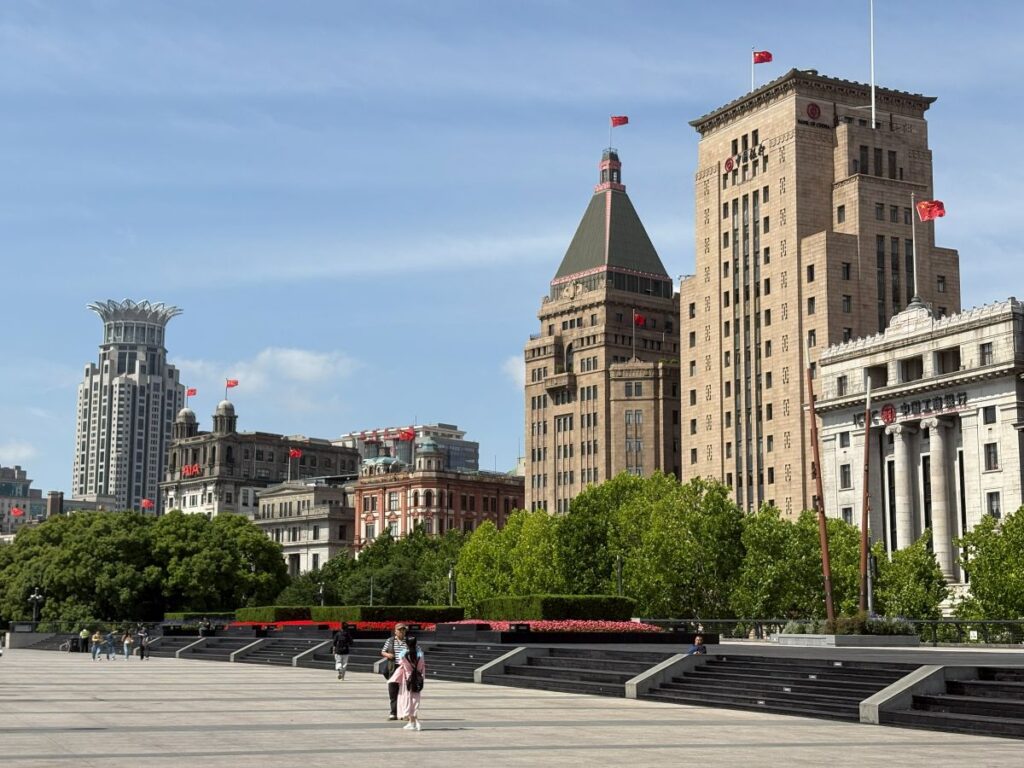
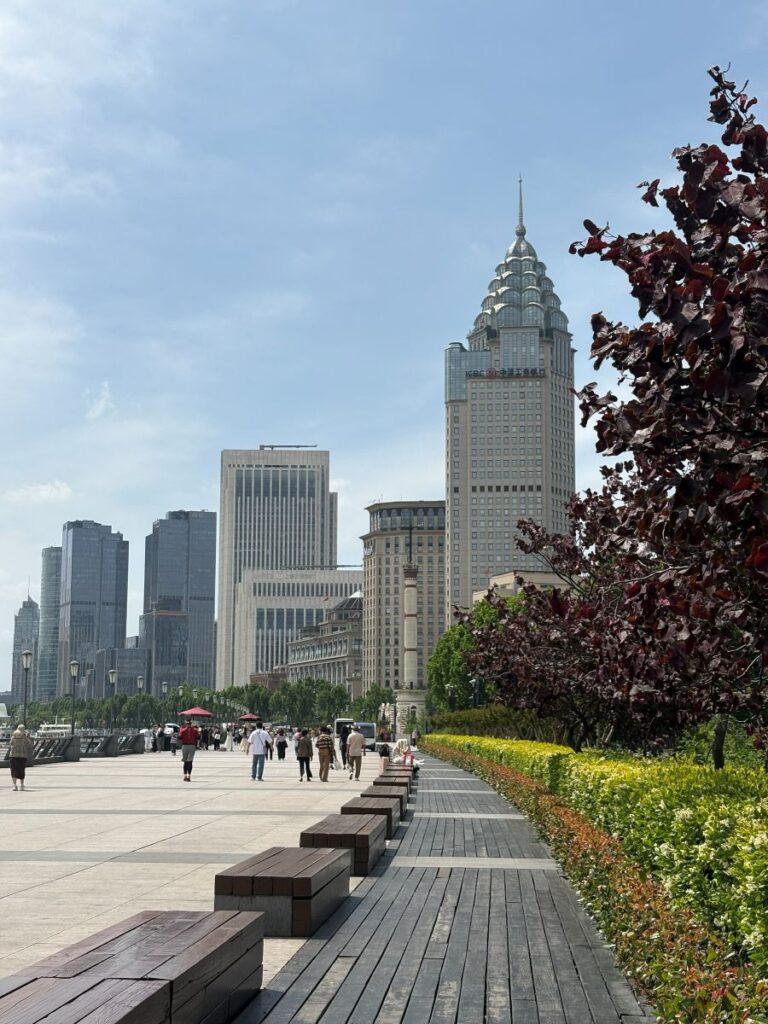
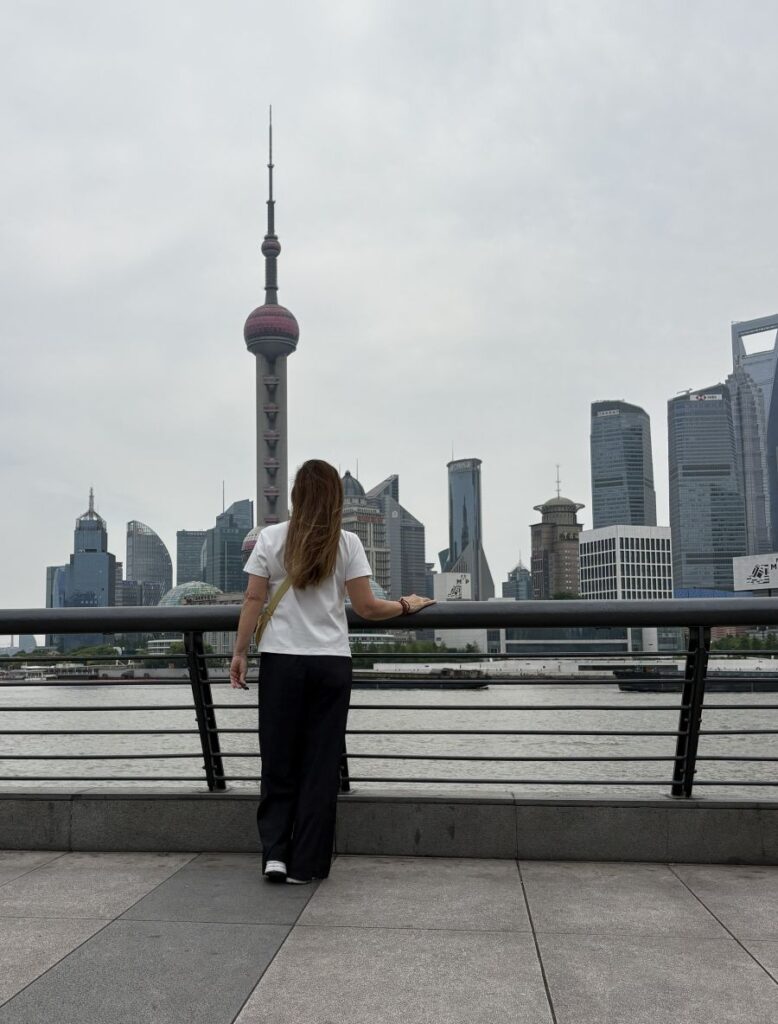
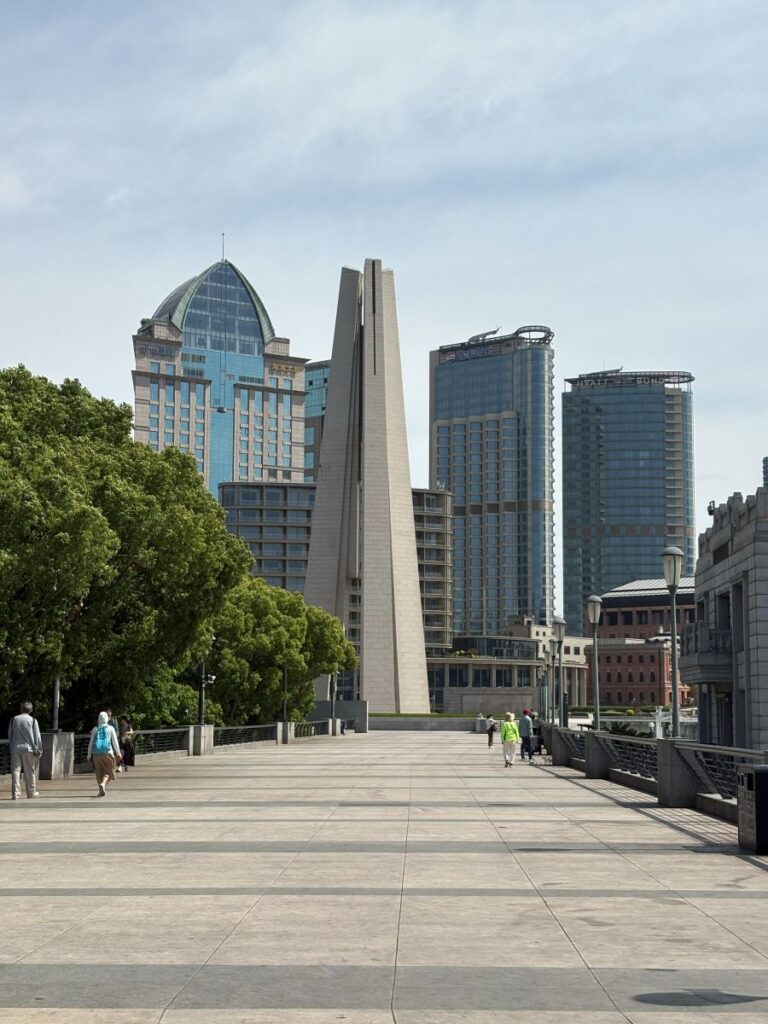
A 1.5 kilometer stretch of seafront, this beautiful promenade is a place to see not only for the Pudong skyline across the way, but also the most striking architecture of The Bund. All of this prime real-estate was once part of the English concession. There are loads of tourists here at any given time, but the promenade is so wide, it hardly ever feels crowded. Down below are various statues, green spaces, cafés and the ferry terminal.
Architecture
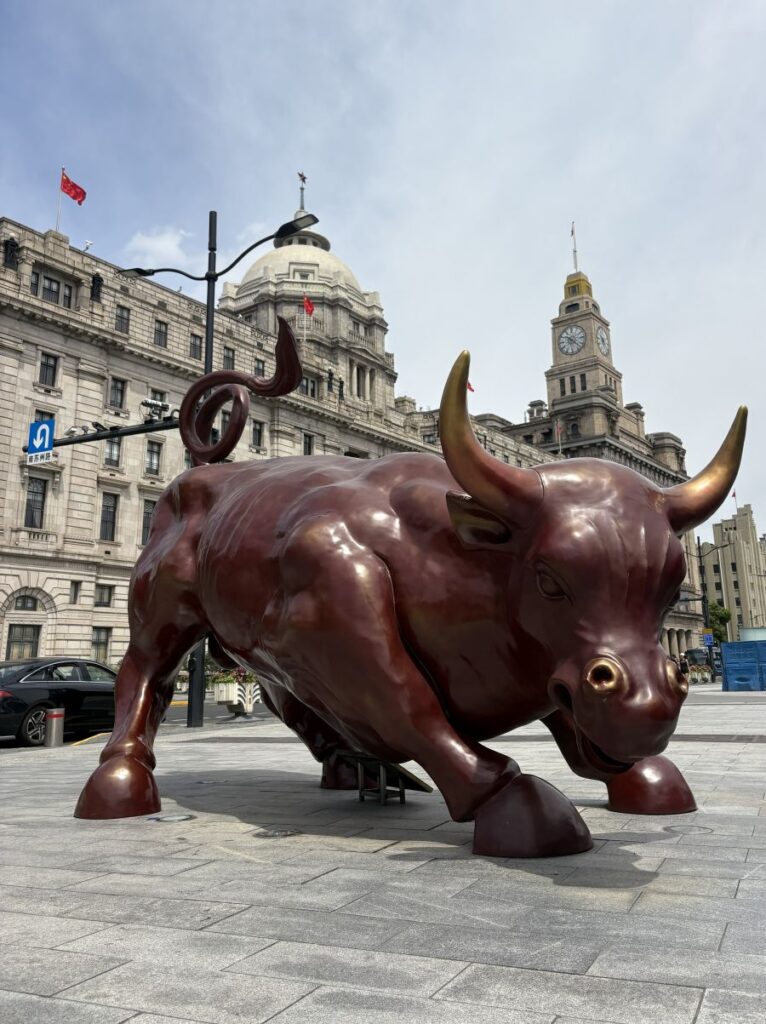
Most of the buildings that parallel the promenade are down on Zhongshan Road and were constructed in the 1920’s. Each has a plaque near the door, stating when it was built, the architectural firm who designed it and what the original structure was used for. This area was the hub of trading and wealth and many of these buildings were and still are banks. A massive bronze bull statue is a symbolizes this.
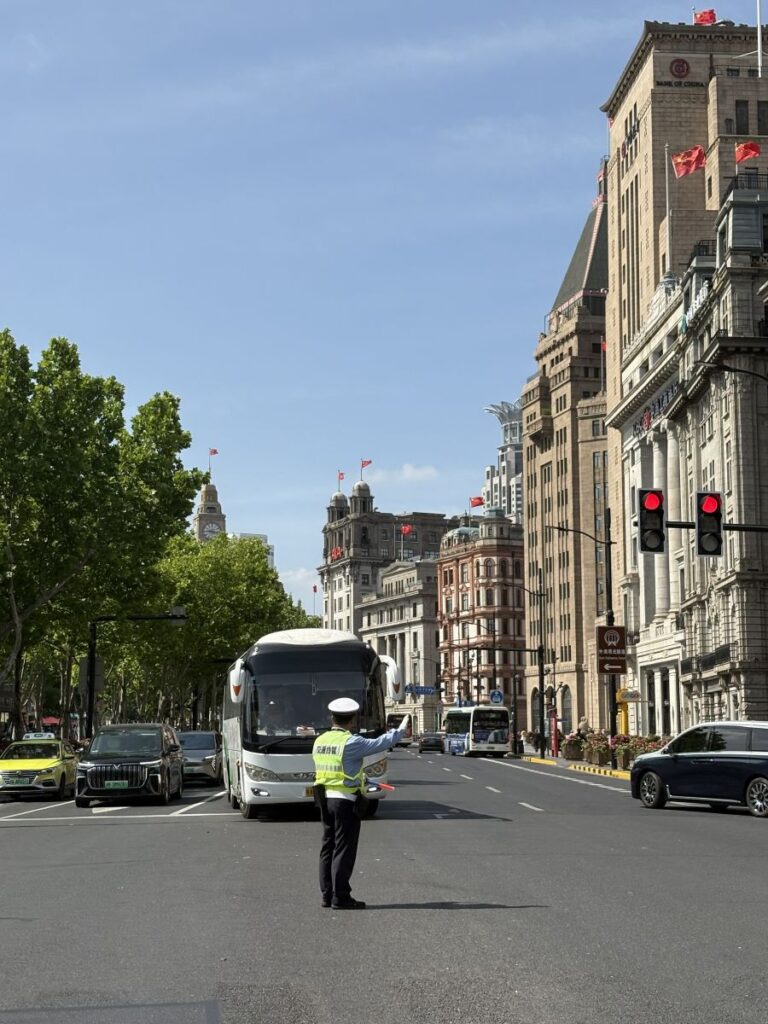
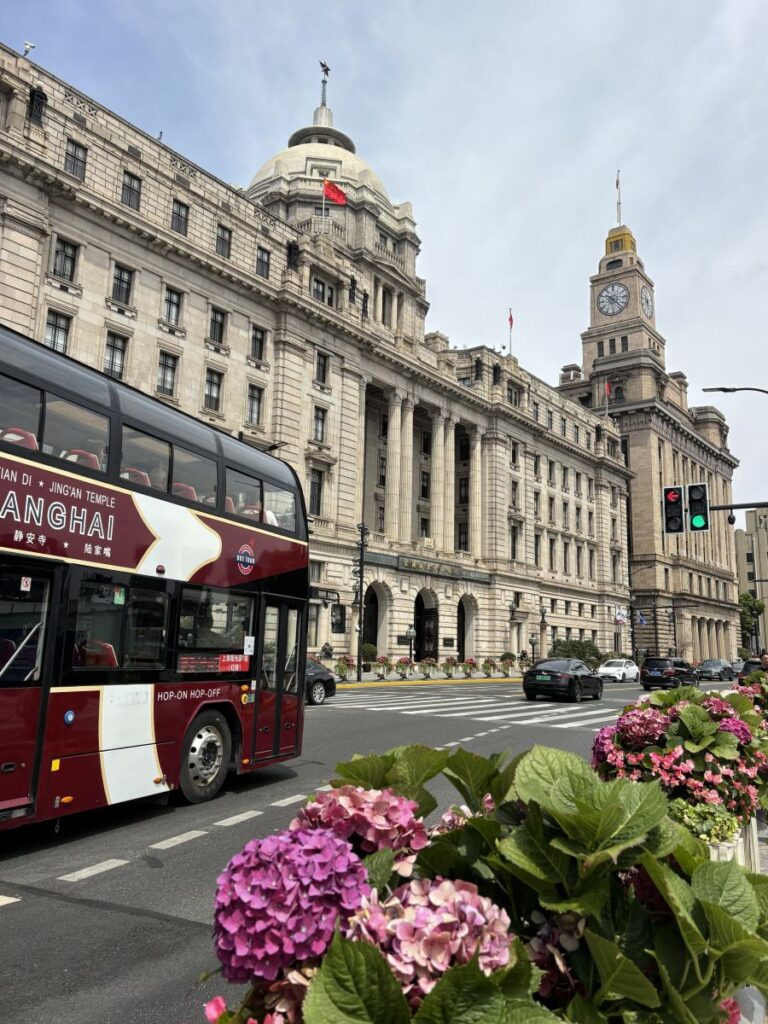
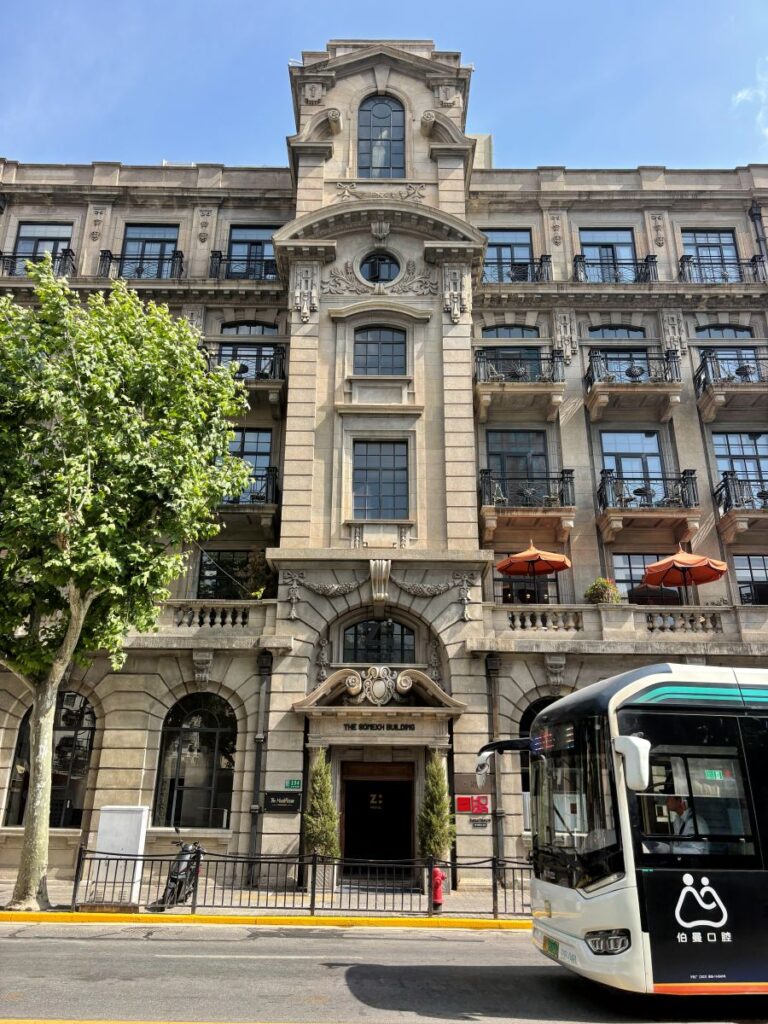
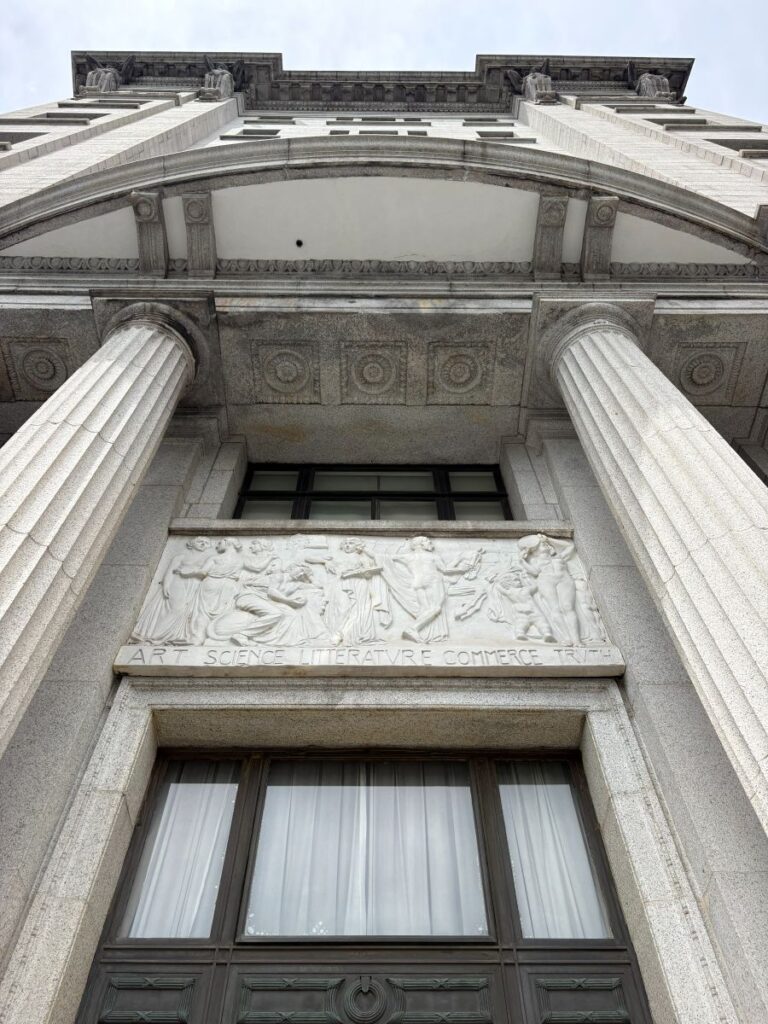
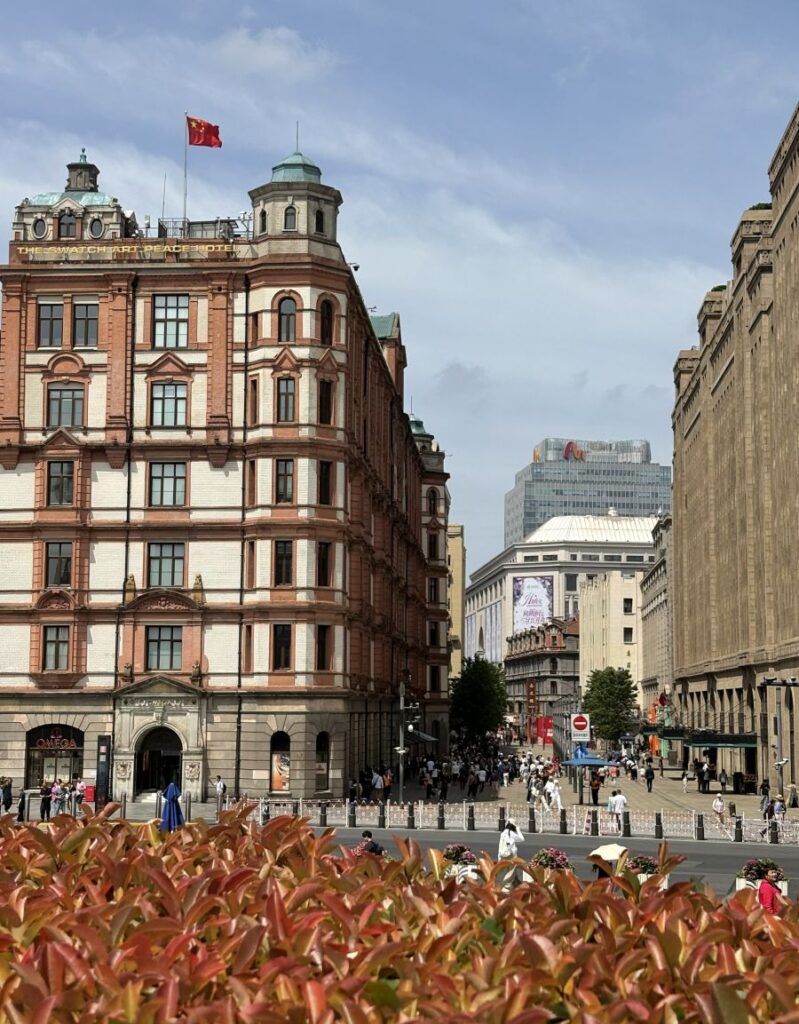
The architectural styles range from Gothic, Baroque and Neoclassical, to Art Deco, one of my favourites. Head down any one of these streets and the buildings continue, grand, domineering and so out of place to what my brain was expecting to see in Shanghai!
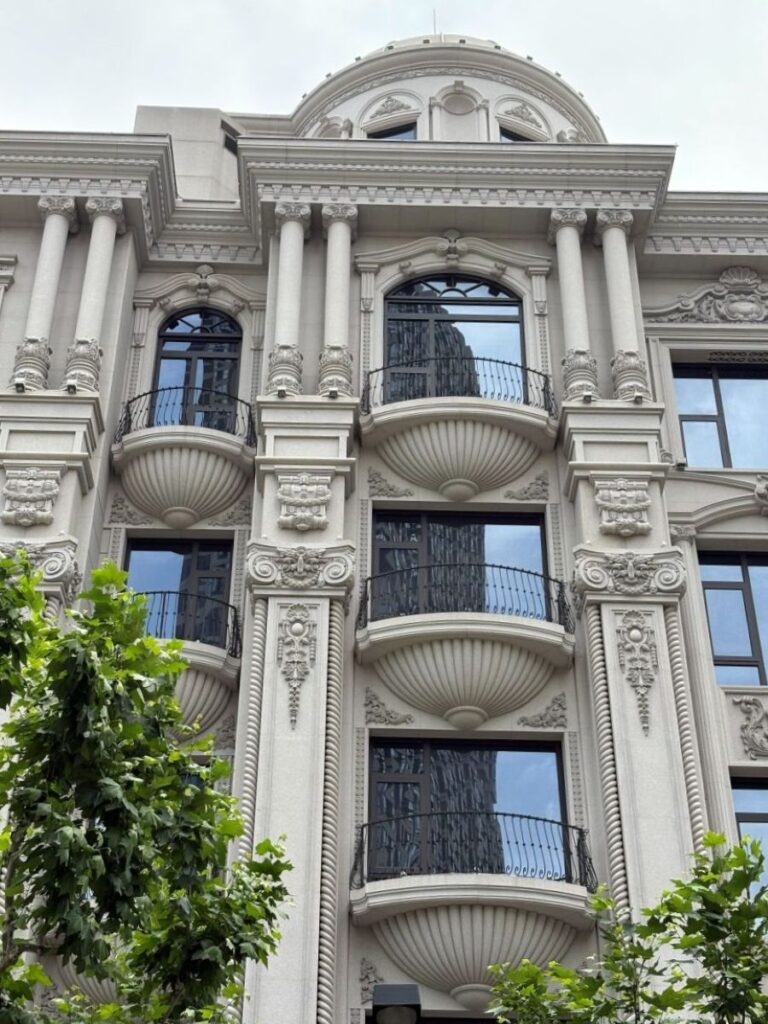
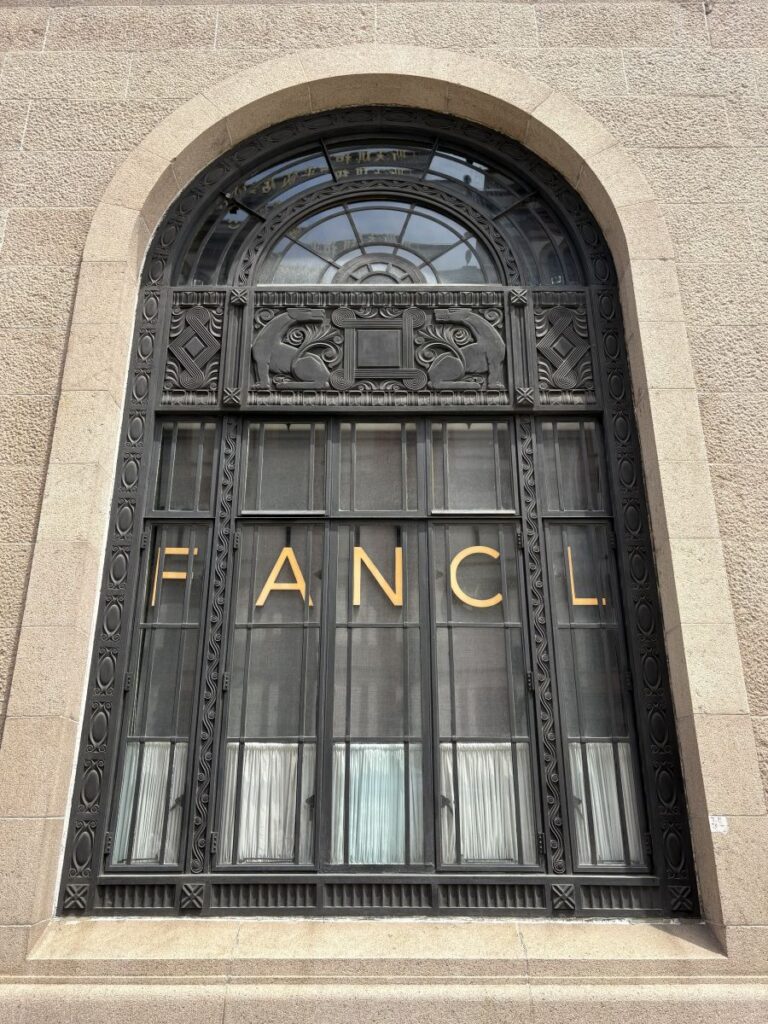
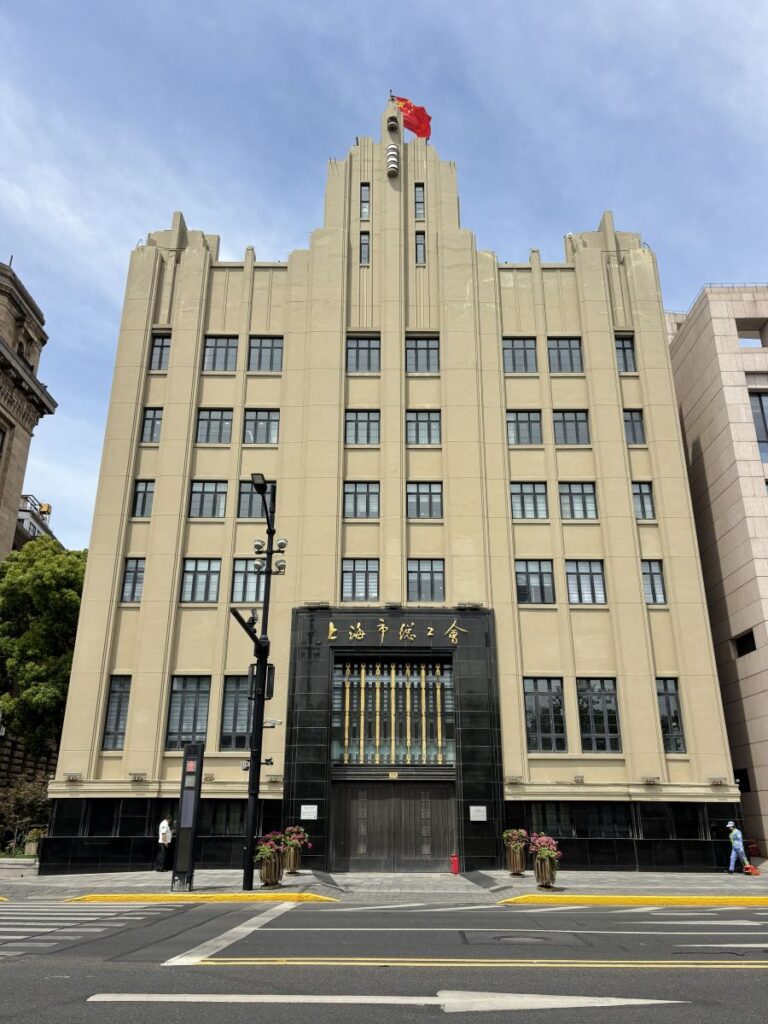
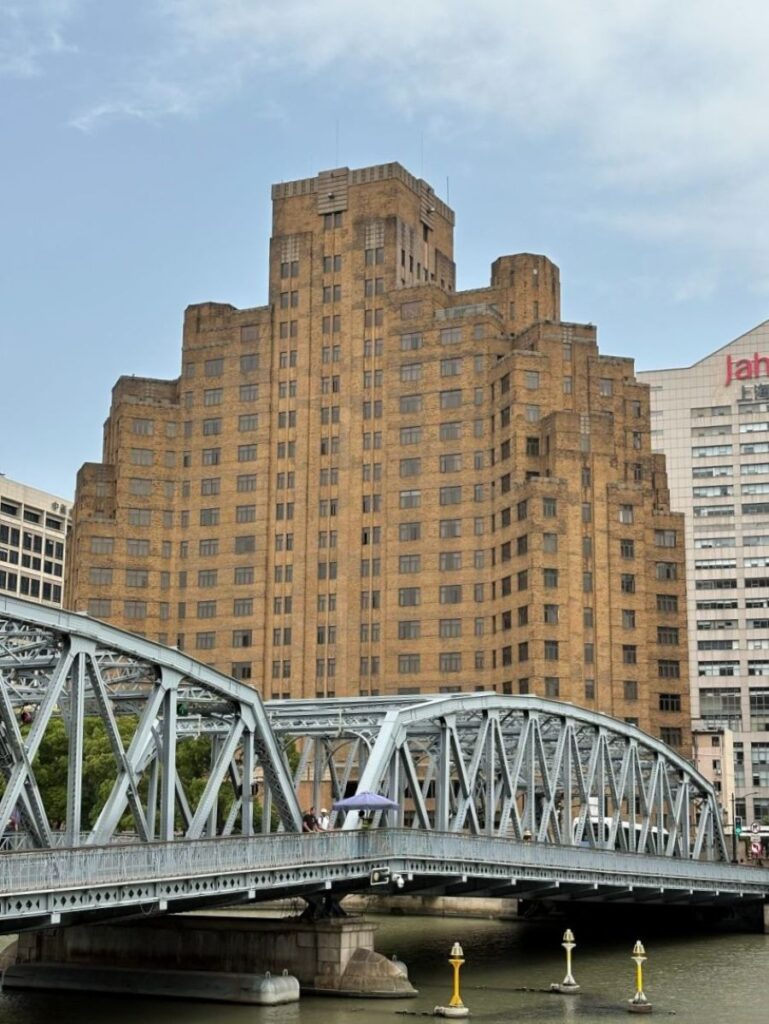
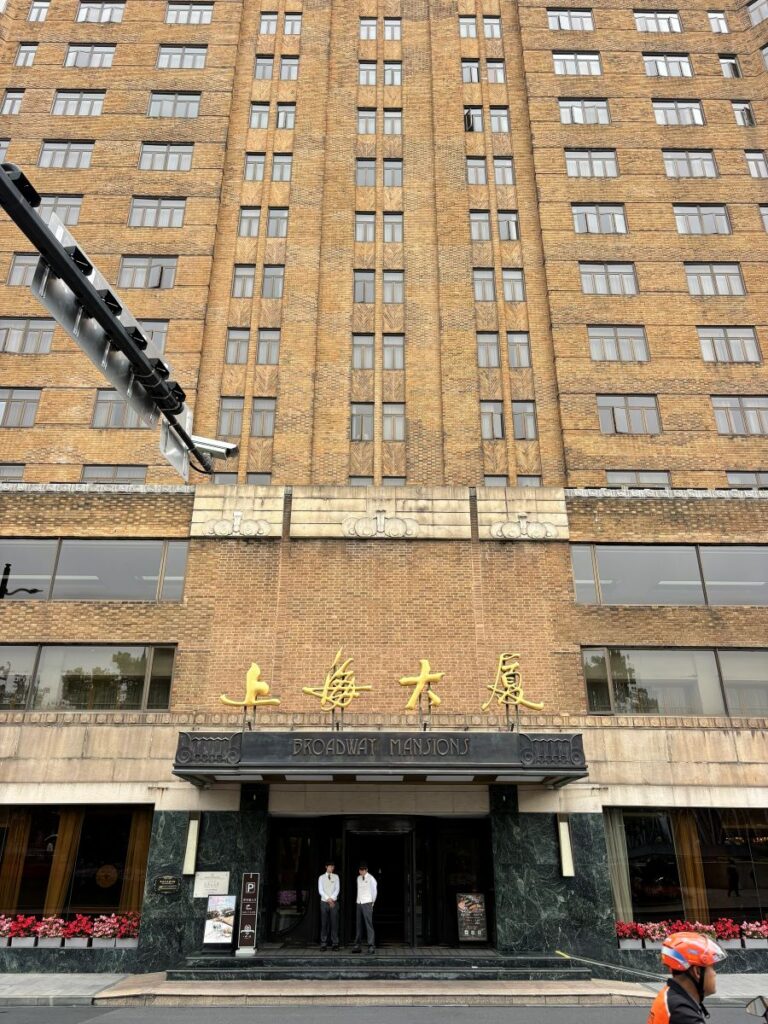
Walking towards the Souzhou River, one building in particular immediately stands out. Called Broadway Mansions, today it is a 5-star hotel, but originally, in 1934 when it was completed, it was the tallest apartment complex in the city. An exclusive residential complex for wealthy British.
Post Office
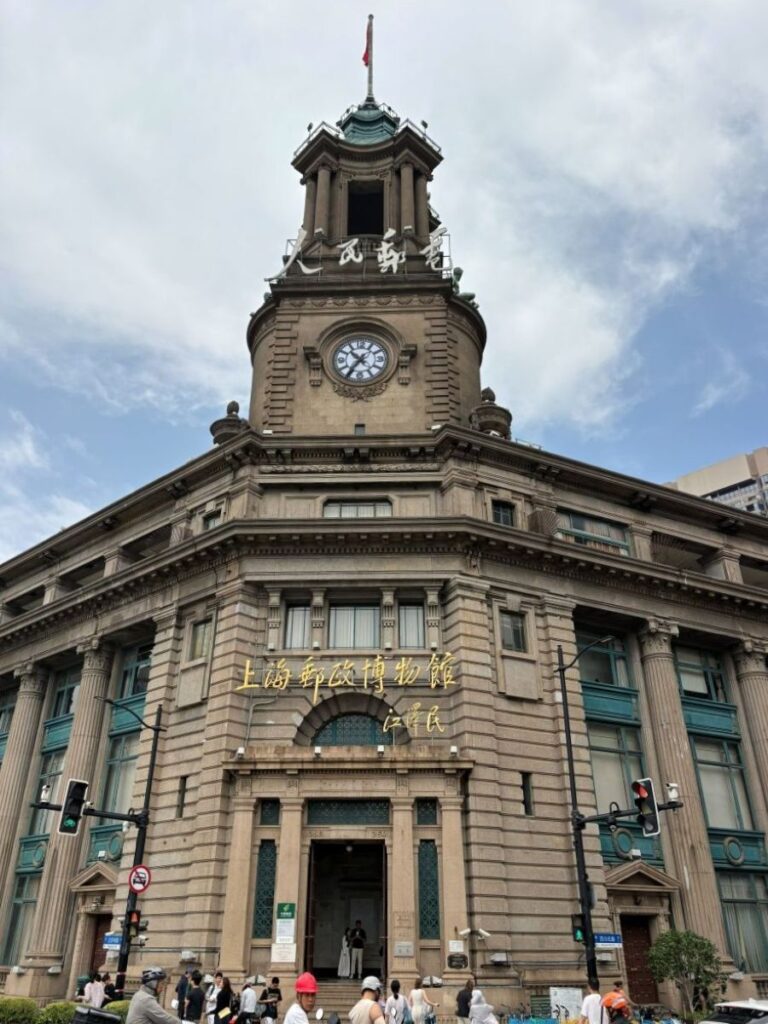
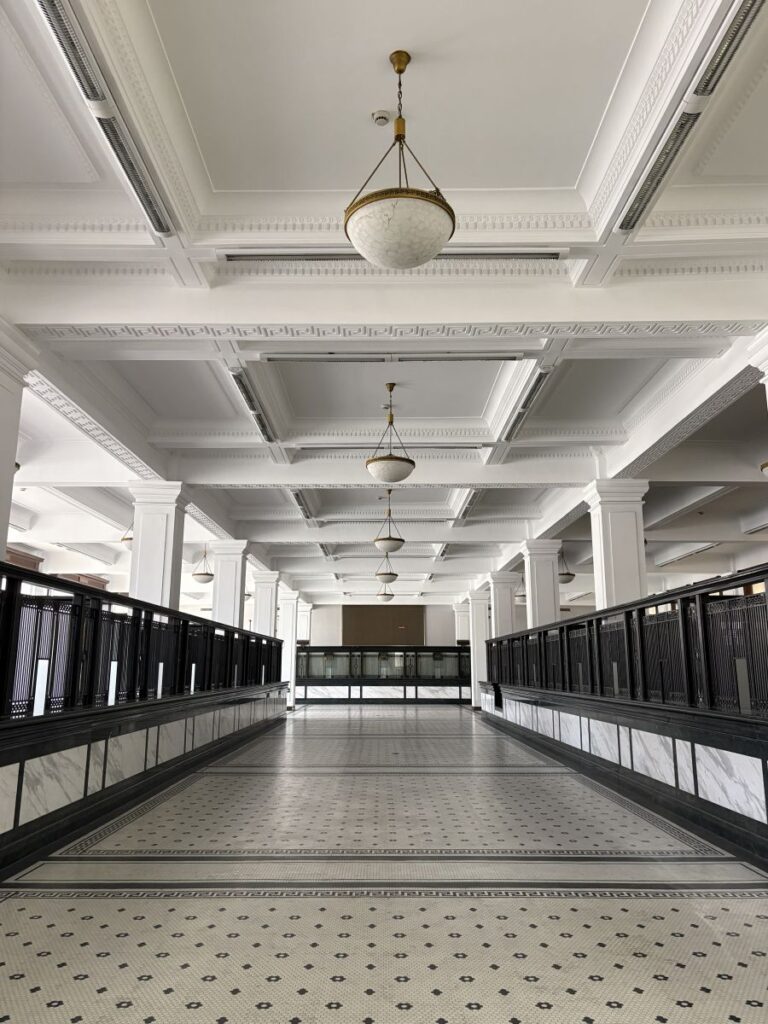
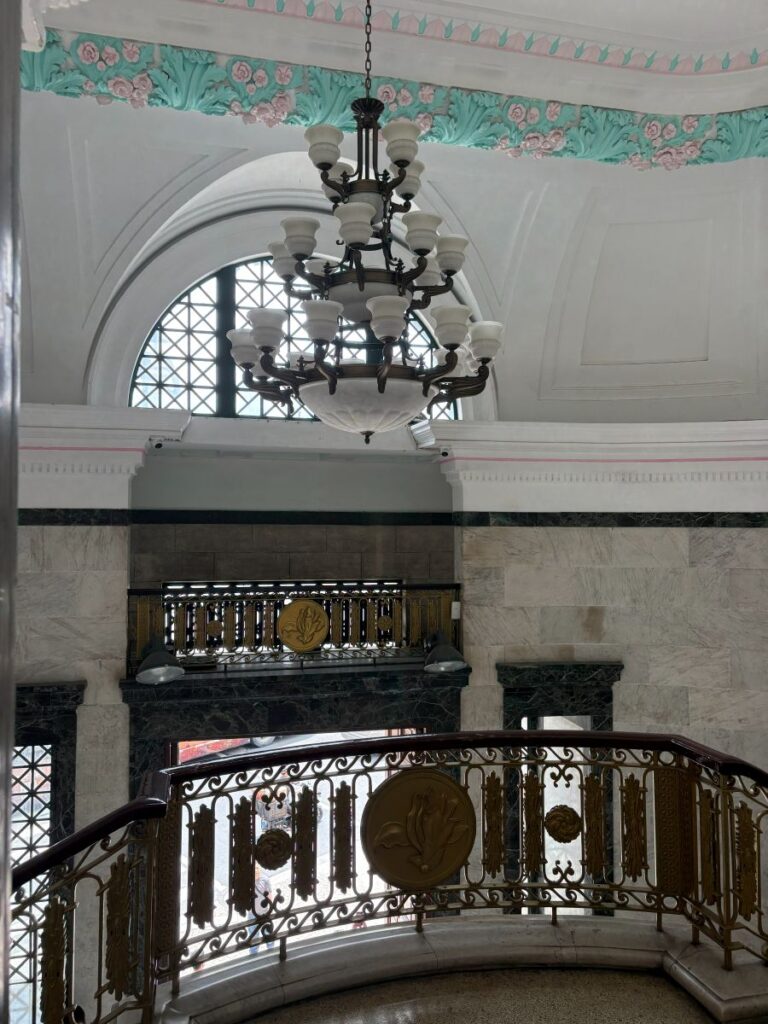
Just down the road from Broadway Mansions is the General Post Office, designed by the British and constructed of steel. Today it houses a wonderful museum of the history of mail operations from the Qing Dynasty forward. Head inside and upstairs to see the original post office almost unchanged in the last 100 years, its marvellous.
Customs House
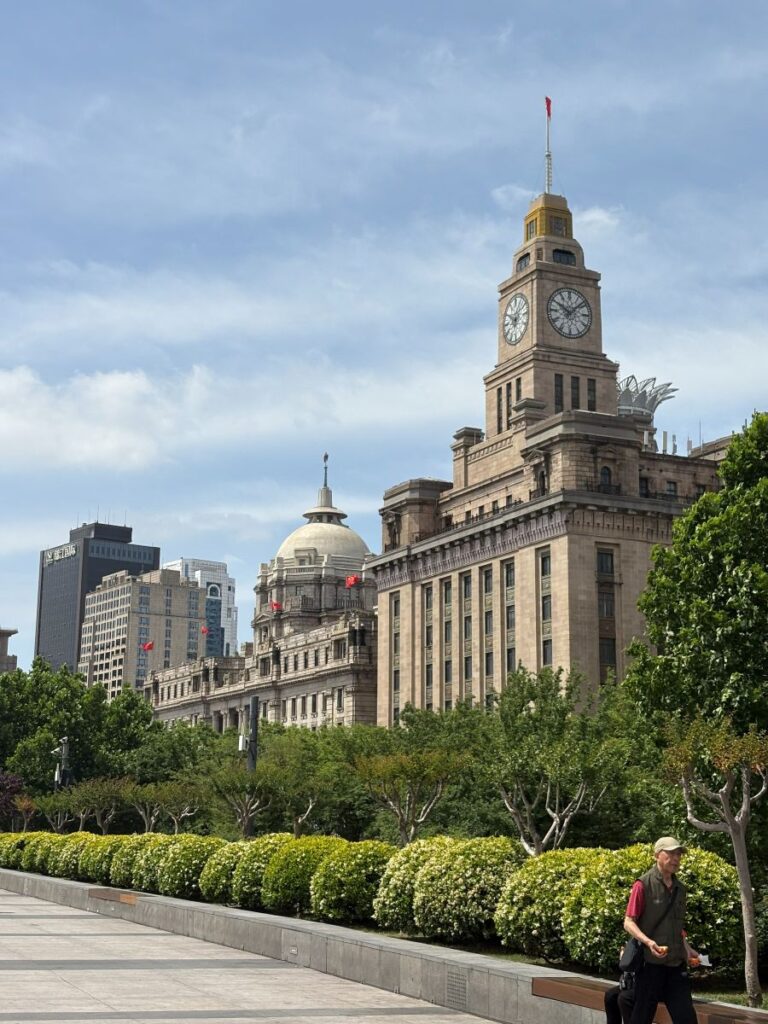
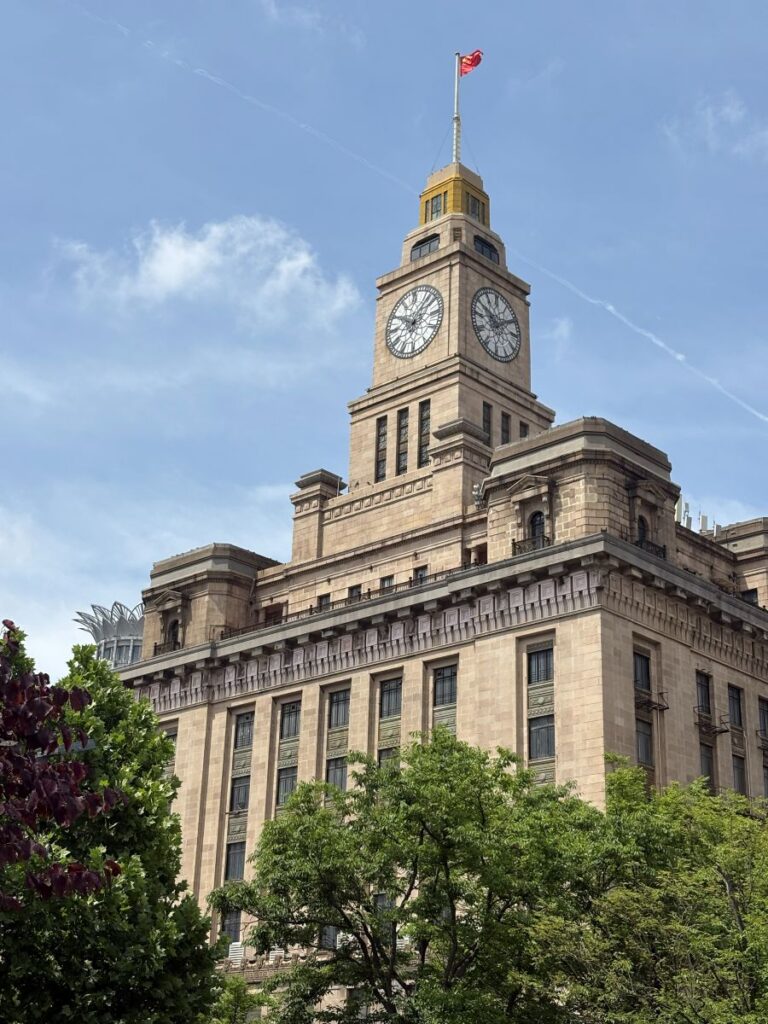
Another one of the 52 recognized heritage structures in the Bund is the Customs House. Viewing from the promenade is a great way to experience the magnitude of the building and see the 10-story clock tower. It was built in 1927 and the clock still chimes on the hour, lovely to hear.
Peace Hotel
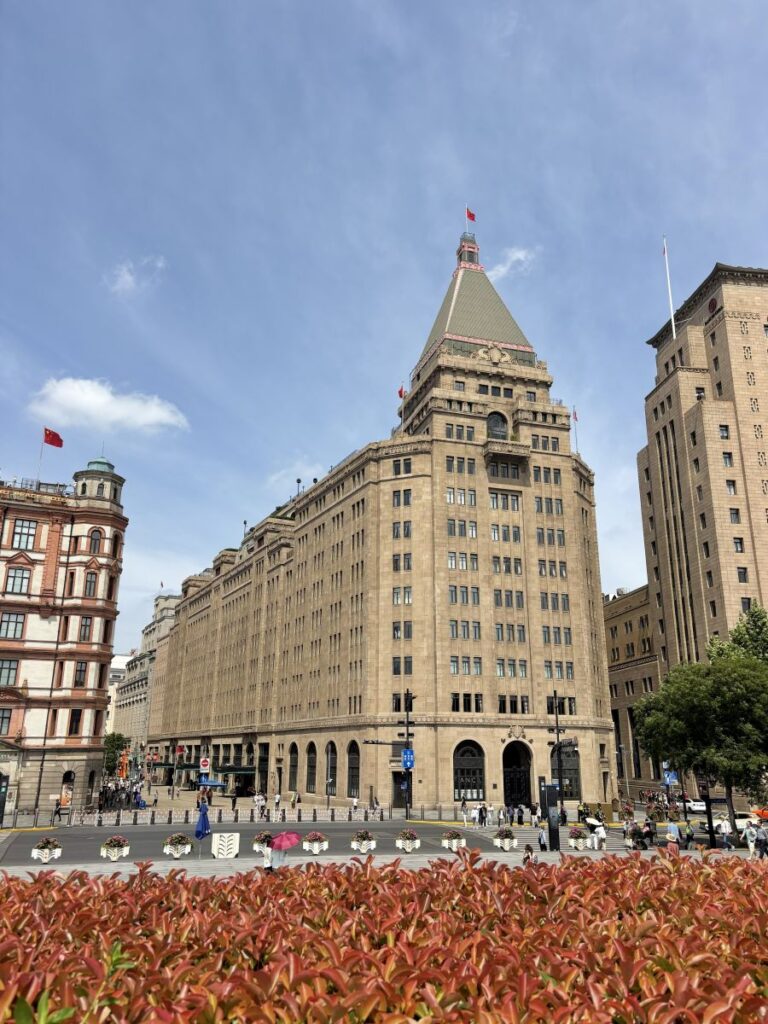
An absolutely massive building, this was once the Sassoon House built by Sir Victor Sassoon who made the entire top floor his private apartment. Today it is the Fairmont Peace Hotel and famous for the live jazz in the café.
HSBC Building
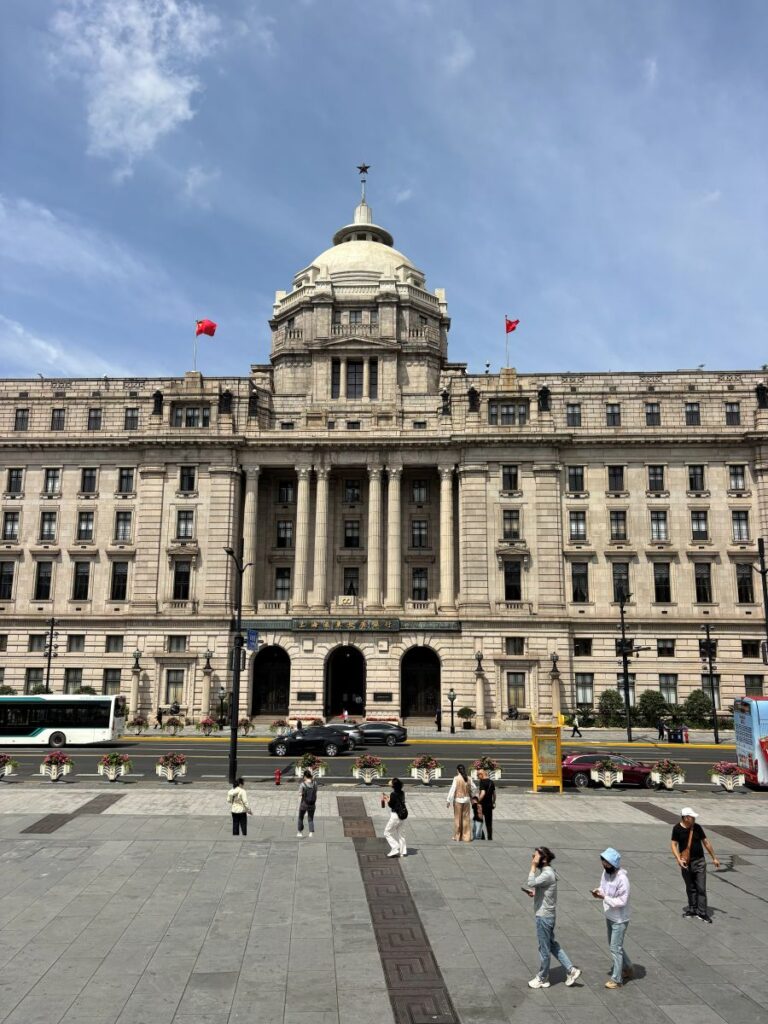
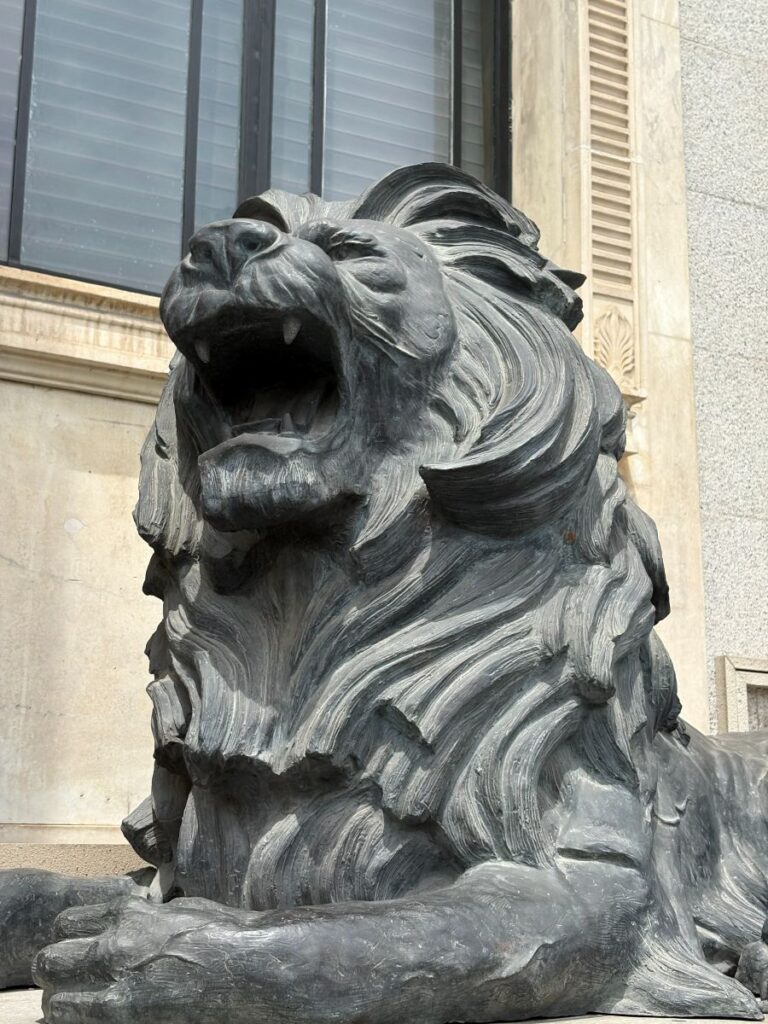
Build in 1923, this huge neoclassical structure was the Shanghai branch of HSBC. At the time it was built, it was the largest bank building in the Far East and the second largest in the world. Those two bronze lions out front (originals in a museum) were made in England in the town of Frome and are situated on either side of the central staircase. One with an open mouth to denote protection and the other with a closed mouth to symbolize security.
The Bund is a special place in the city of Shanghai and an area where tourists flock to for several reasons. These architectural masterpieces have all been designated as ‘cultural heritage’ and are being preserved. Explore this vase area on foot if you have the time, it is magnificent to take in the details. Visitors can enter many of these buildings and see the original mosaics, murals and décor too. Now let’s check out Nanjing Road.