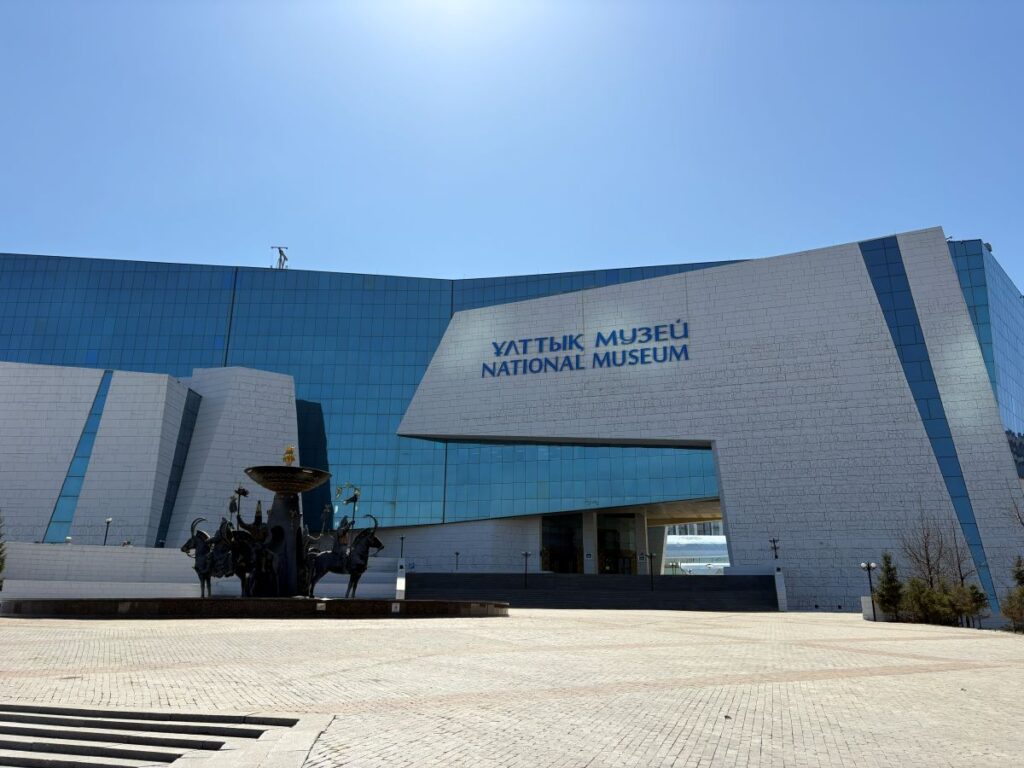
Having very little knowledge of this unique country, I decide to visit this all encompassing museum. It opened in 2014 and at that time was the largest in Central Asia. Inside are nine stories containing ten halls of treasures dating from prehistoric to present. The amazing National Museum of Kazakhstan is worth every penny and even includes a modern art gallery.
Tickets
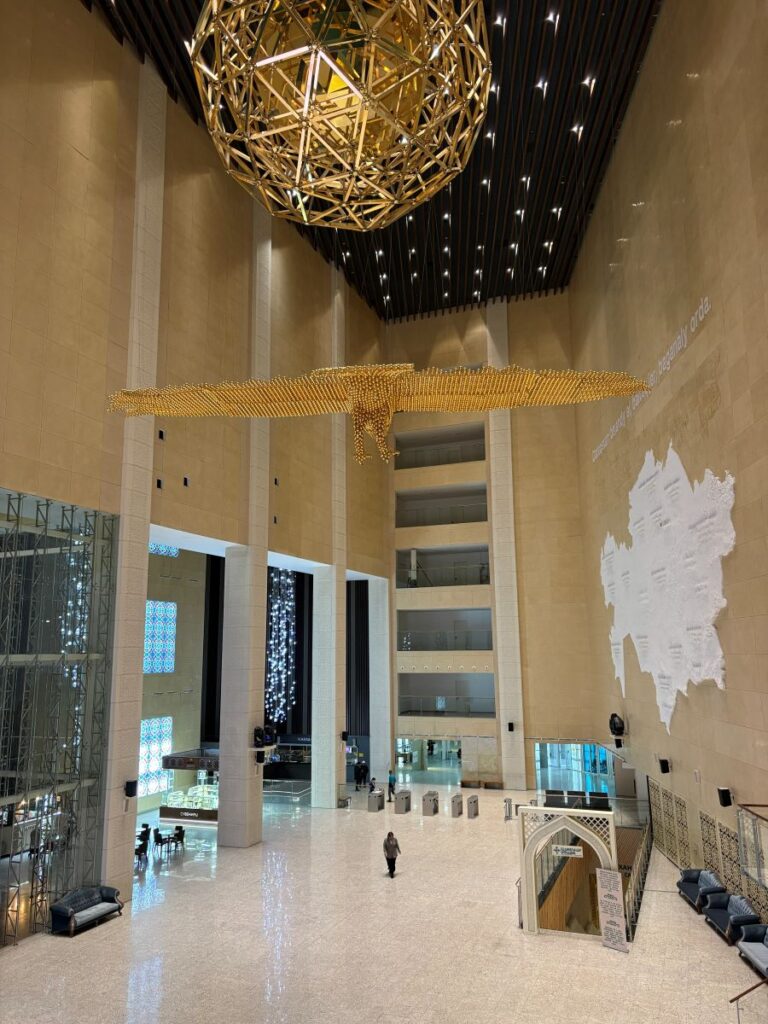
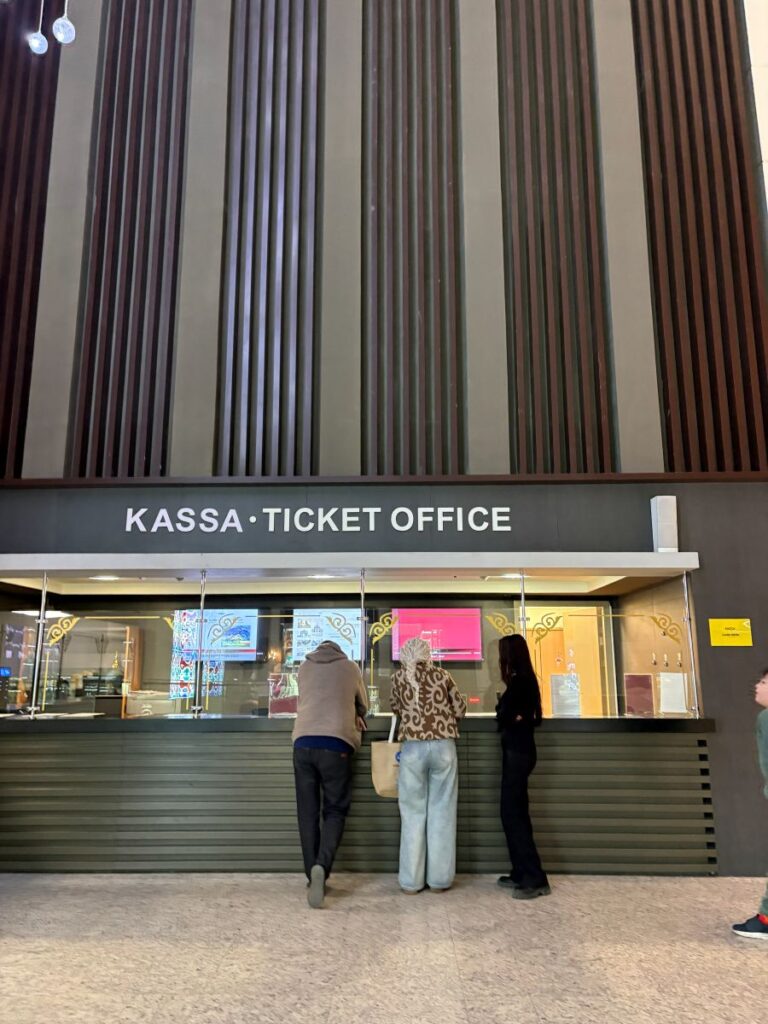
Inside the main doors is the cavernous entrance hall and ticket counters. Cost for adults is 1000KZT or $3 CAD. After you have purchased your ticket, visit the coat check next door, it is mandatory that you leave your outerwear and any bulky bags. Just beyond that is a very small souvenir counter and beside it a café serving fresh baked goods, salads and beverages.
Downstairs
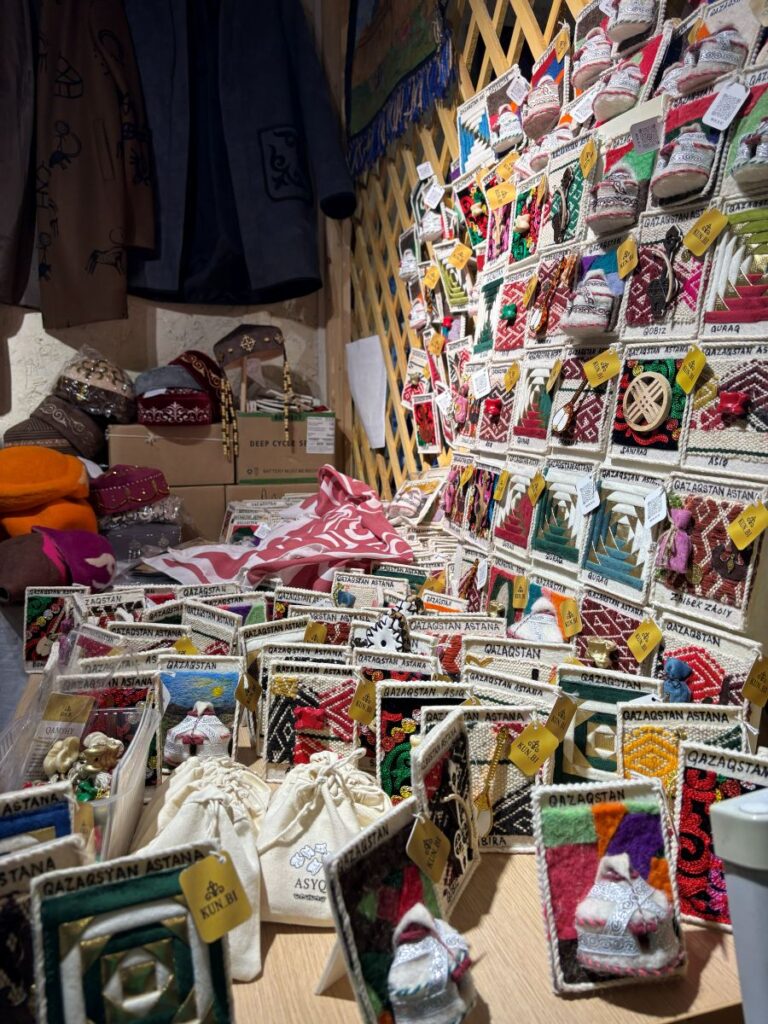
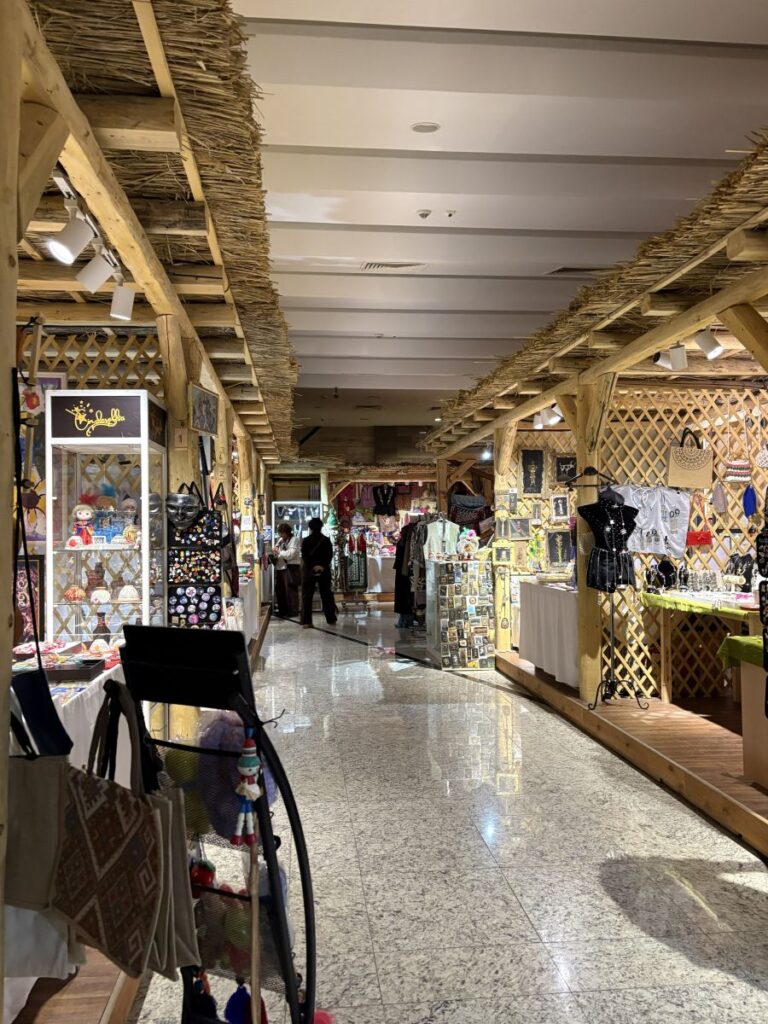
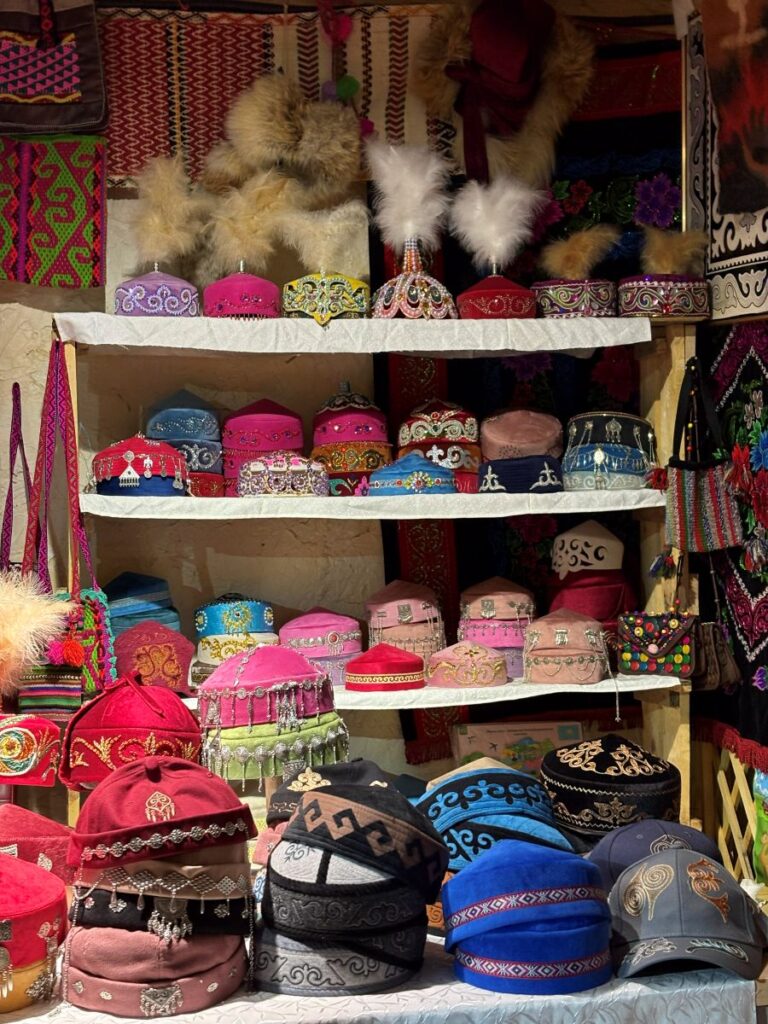
The sub-floor immediately after the turnstiles leads visitors to a market where local artists are selling their wares. It looks like there was perhaps a restaurant down there at one time too, but that seems closed now.
Prehistory
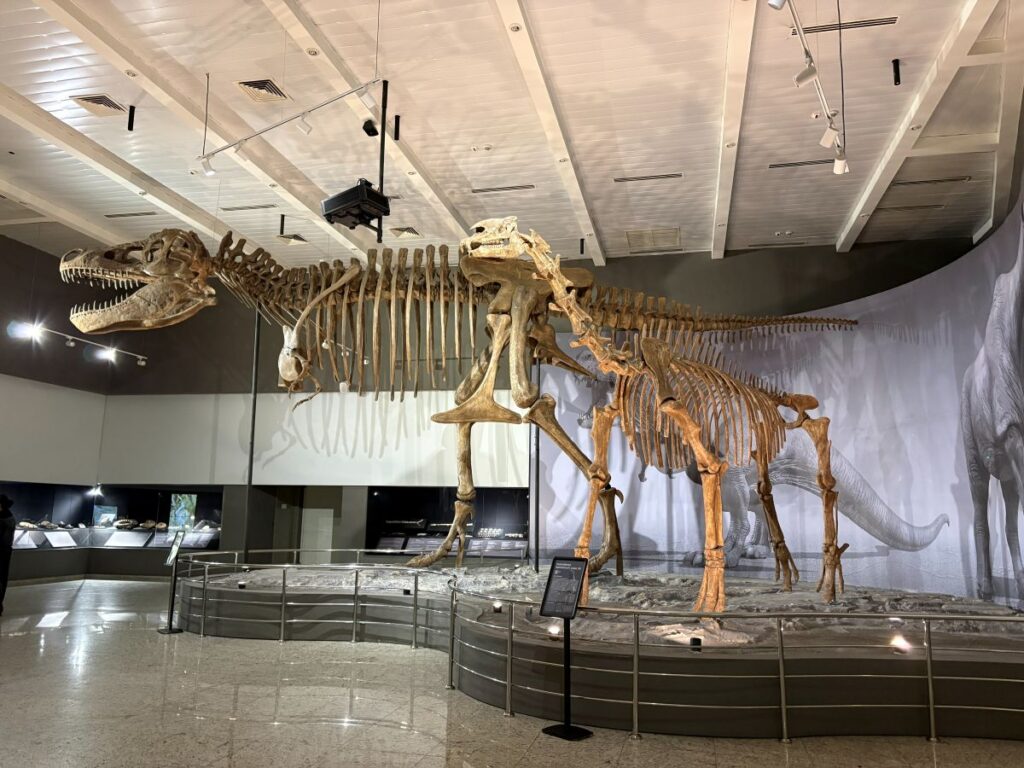
I will say I find this museum to be extremely confusing and chaotic to navigate, there is virtually no direction provided across the nine floors and 10 exhibit halls. Even with the use of the paper map that is provided with the entrance ticket, trying to follow by time line is next to impossible. Towards the end of my visit, I stumble upon a room full of dinosaur skeletons and unbeknownst to me, this country is home to some fantastic finds.
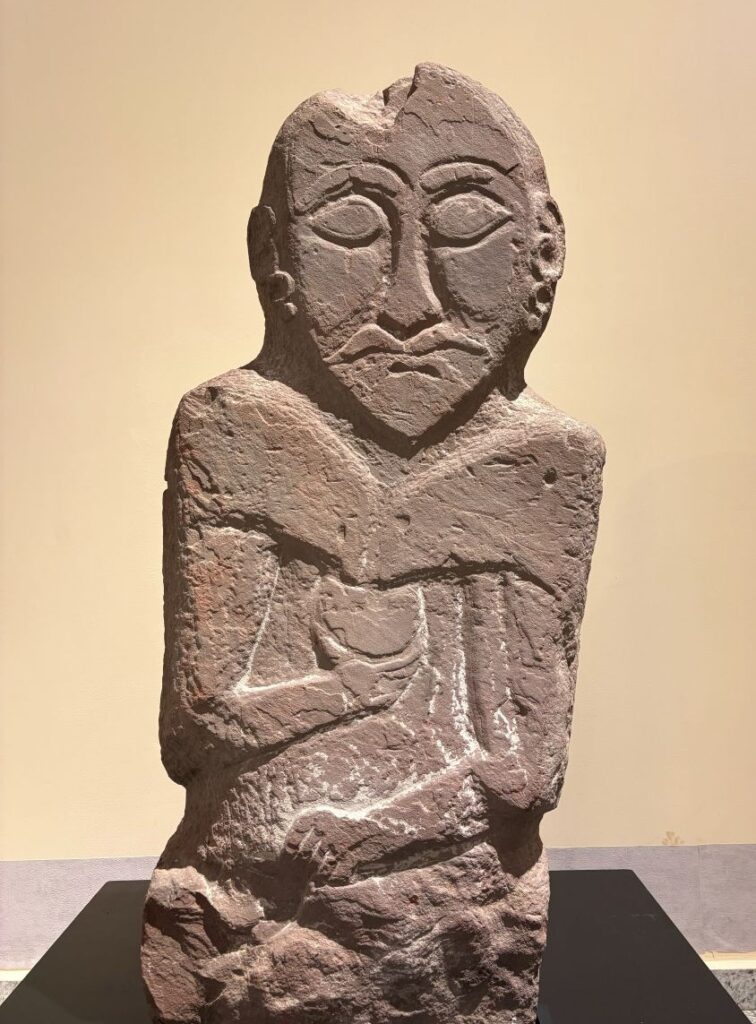
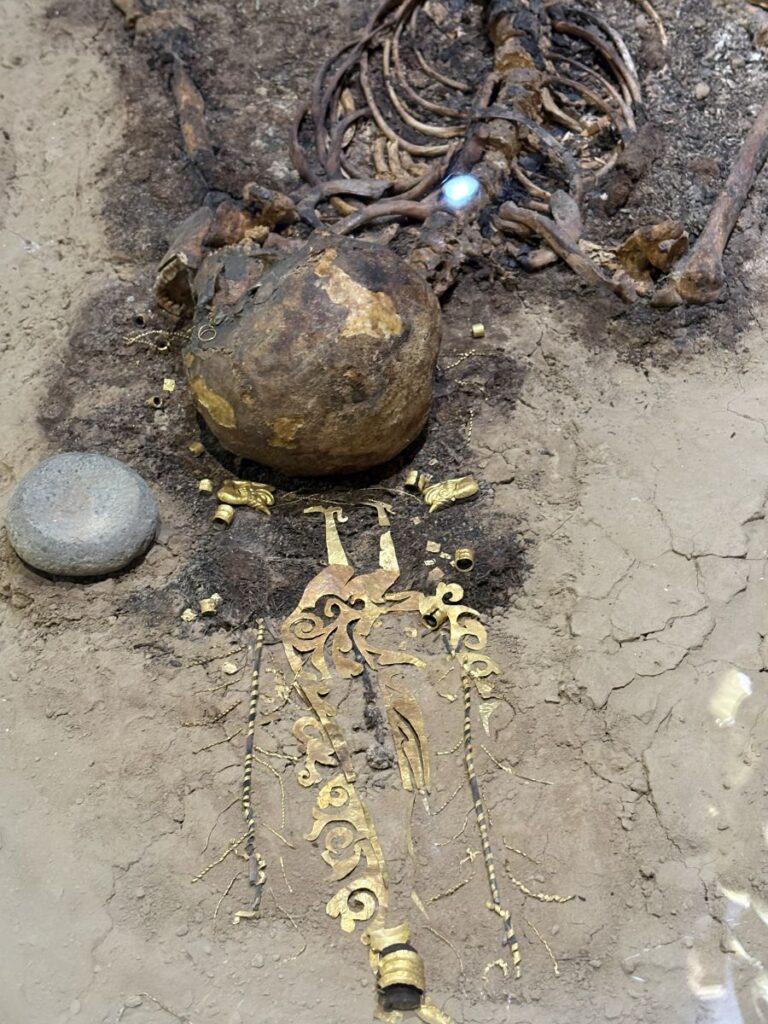
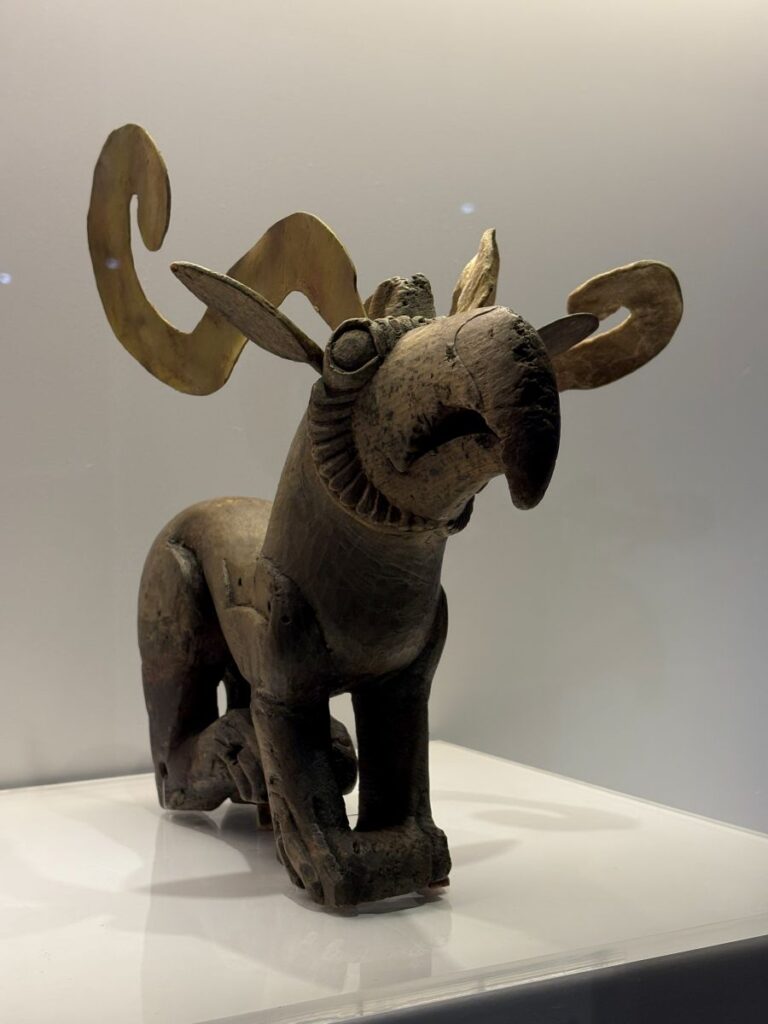
In another vast room I come across these incredible stone statues called Kagans. They date from the 5th to the 7th BC and were used at burial sites and places of sacrifice. And yet in another hall I see replicas of ancient burial grounds, actual human skeletons dating from the 3rd to 4th century BC and marvellous bird-like griffin figurines from the same time frame.
Ancient & Medieval History
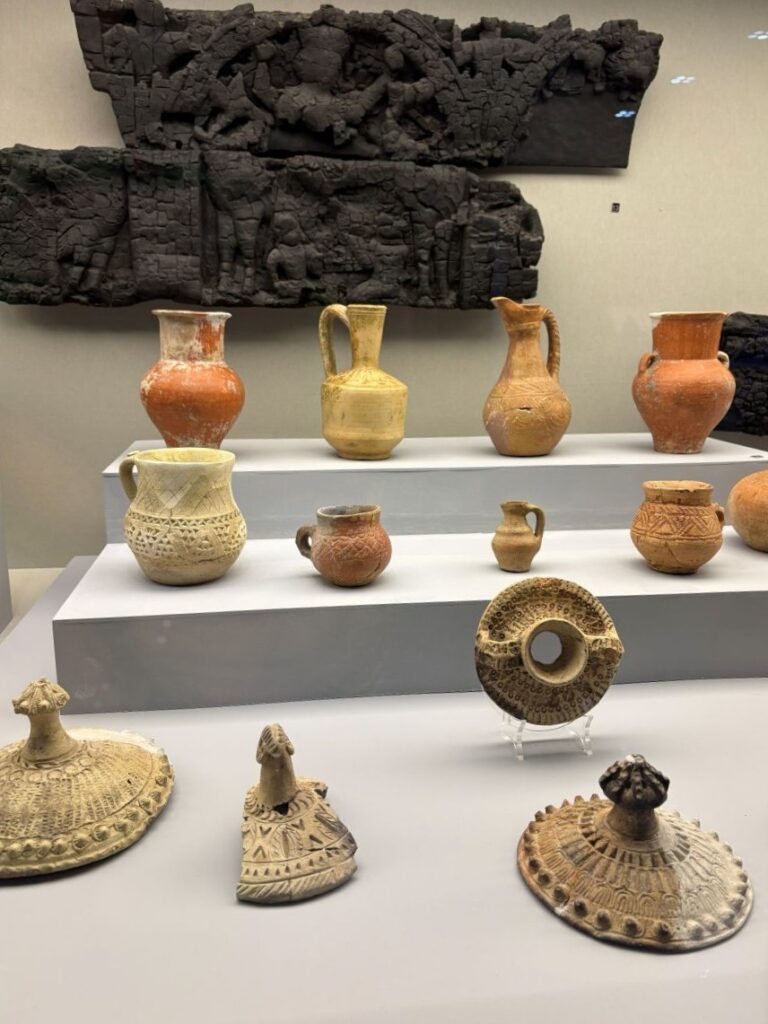
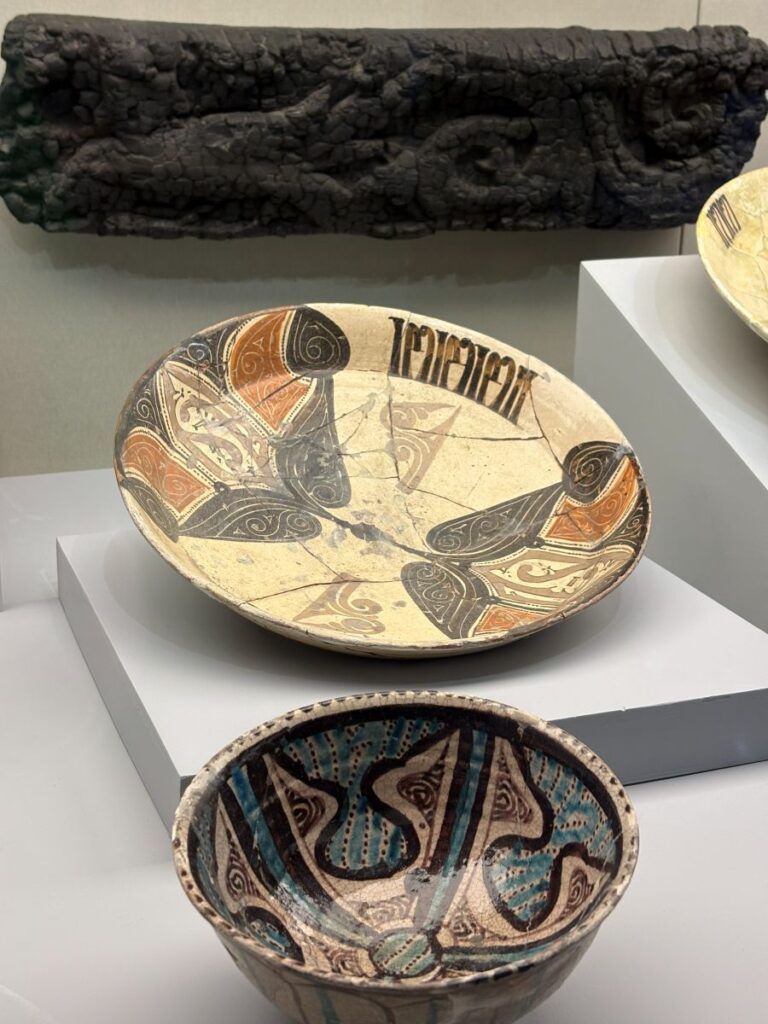
From the Kulan settlement, an ancient city on the Silk Road in southern Kazakhstan we see glass cases filled with extraordinary medieval pottery. There are burnt panels on the walls that were used solely for decorative purposes that indicate a high level of artistry and culture.
Golden Horde Halls
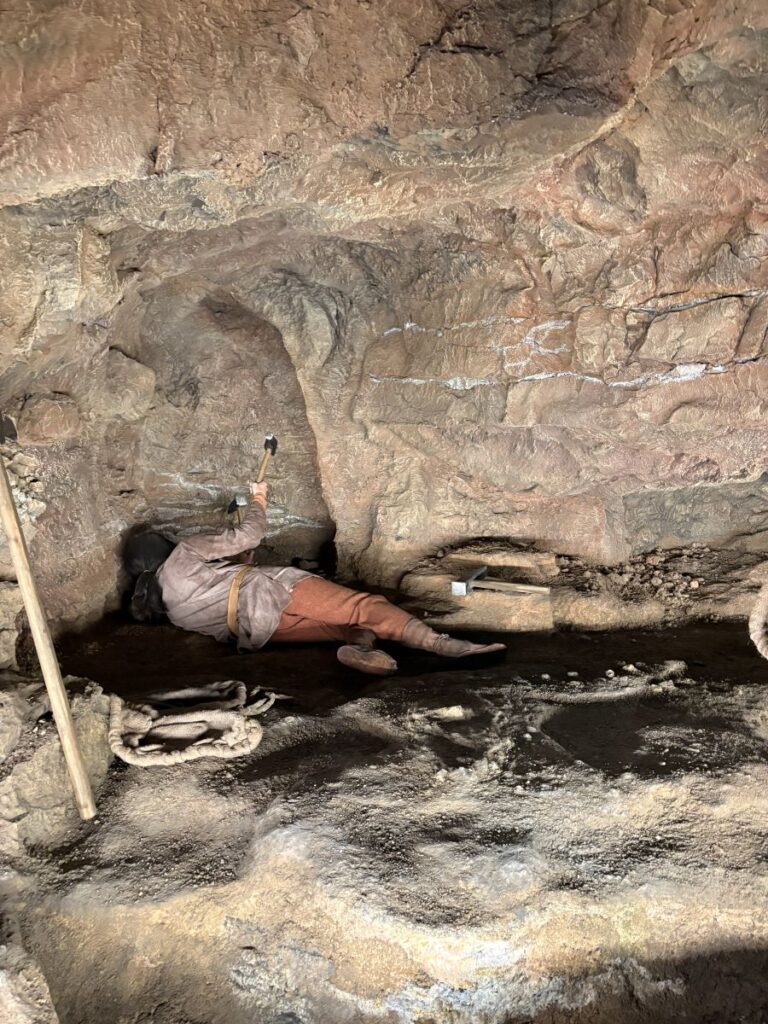
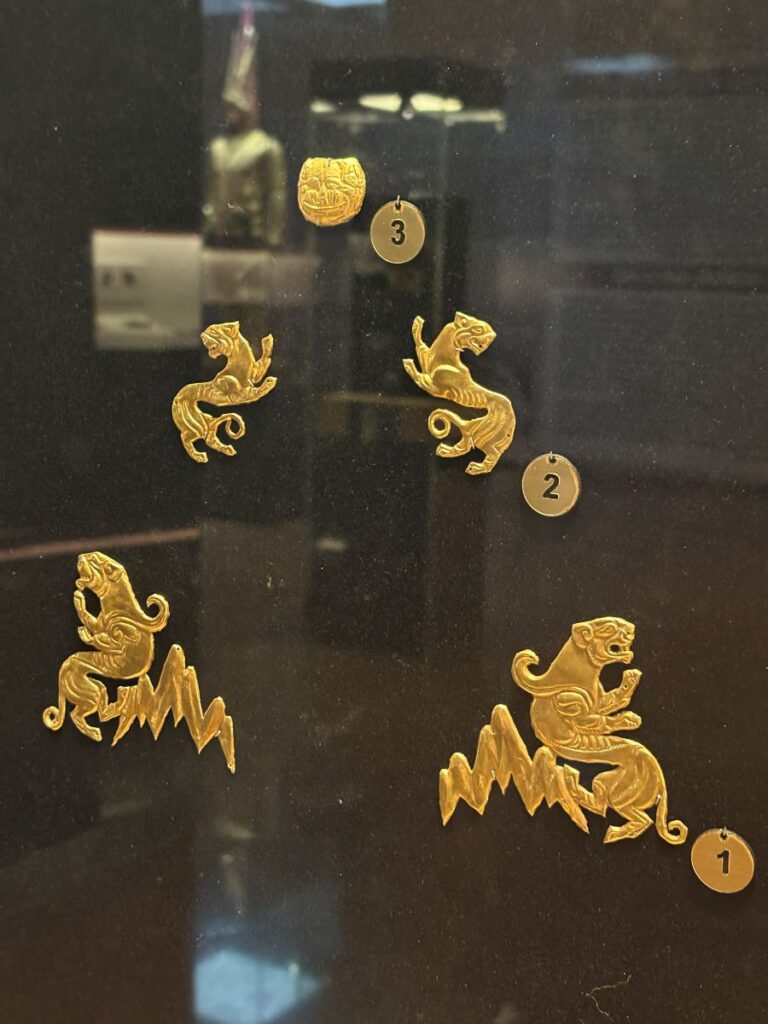
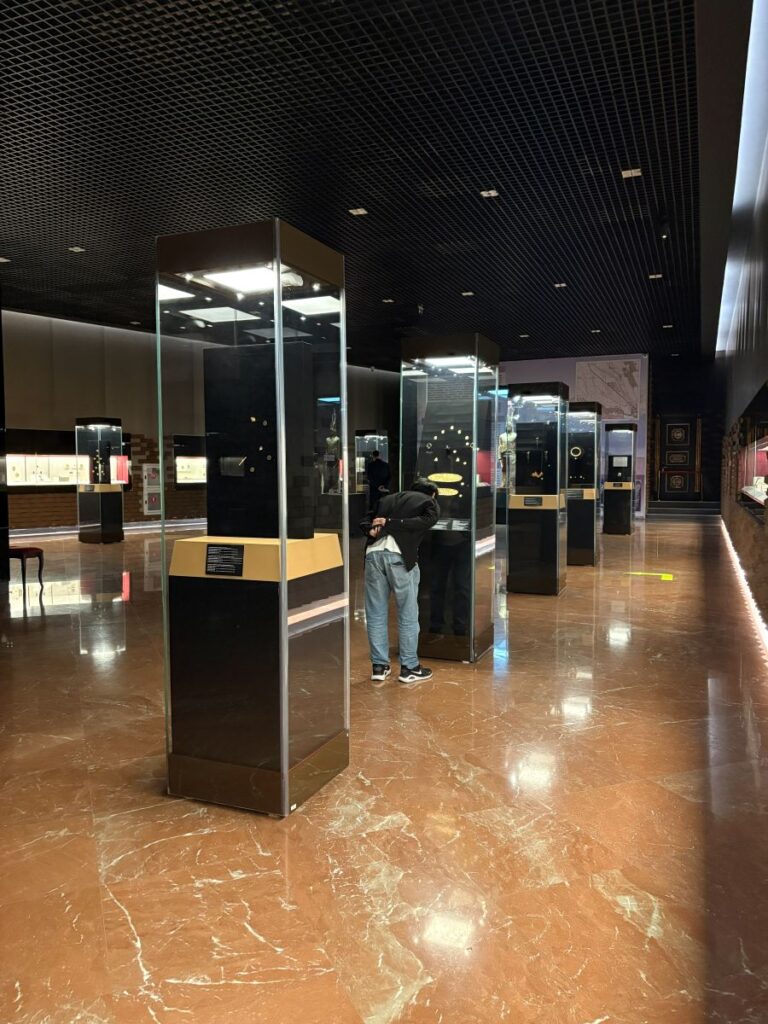
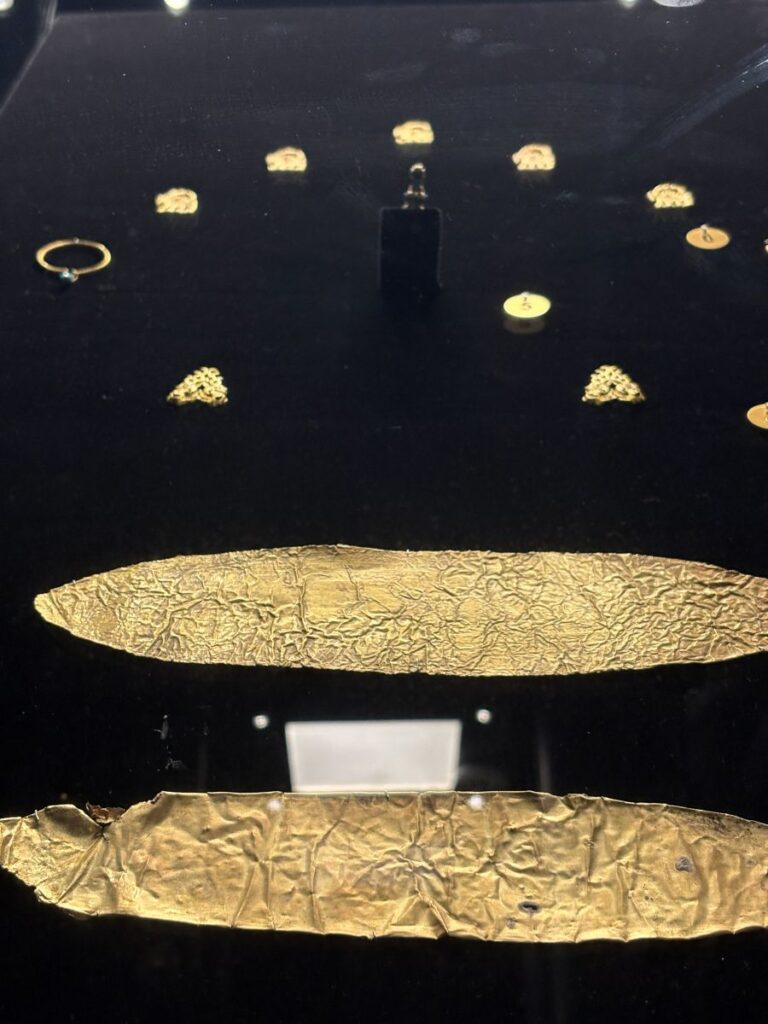
Several exhibition spaces are dedicated to the discovery, craftsmanship and skill involved in early metallurgy. Great hordes of gold have been found in burial sites across Kazakhstan, and it is these that are displayed here.
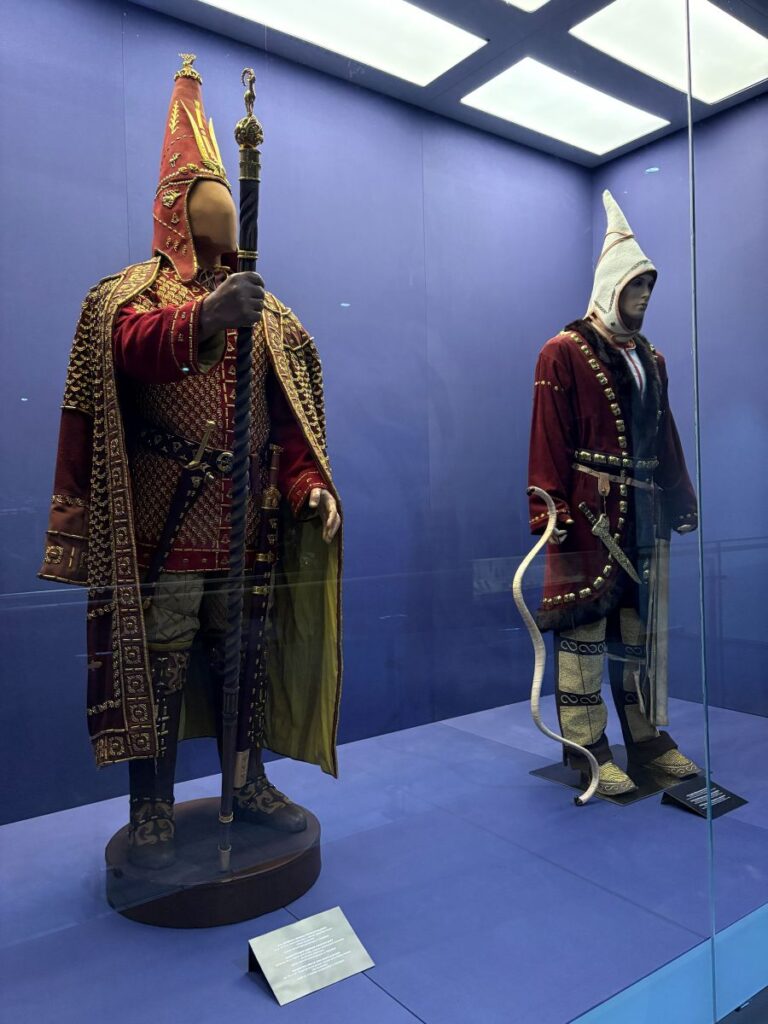
The most famous discovery was in 1969, of a young Saka nobleman who was found buried in a suit of armour made of gold. There are numerous burial mounds that have since been discovered leading to a greater knowledge of the ancient nomadic people who were lead by their priestesses and chiefs. Their clothing and even horses were covered in intricate and exceptionally detailed pieces of gold.
Ethnography Halls
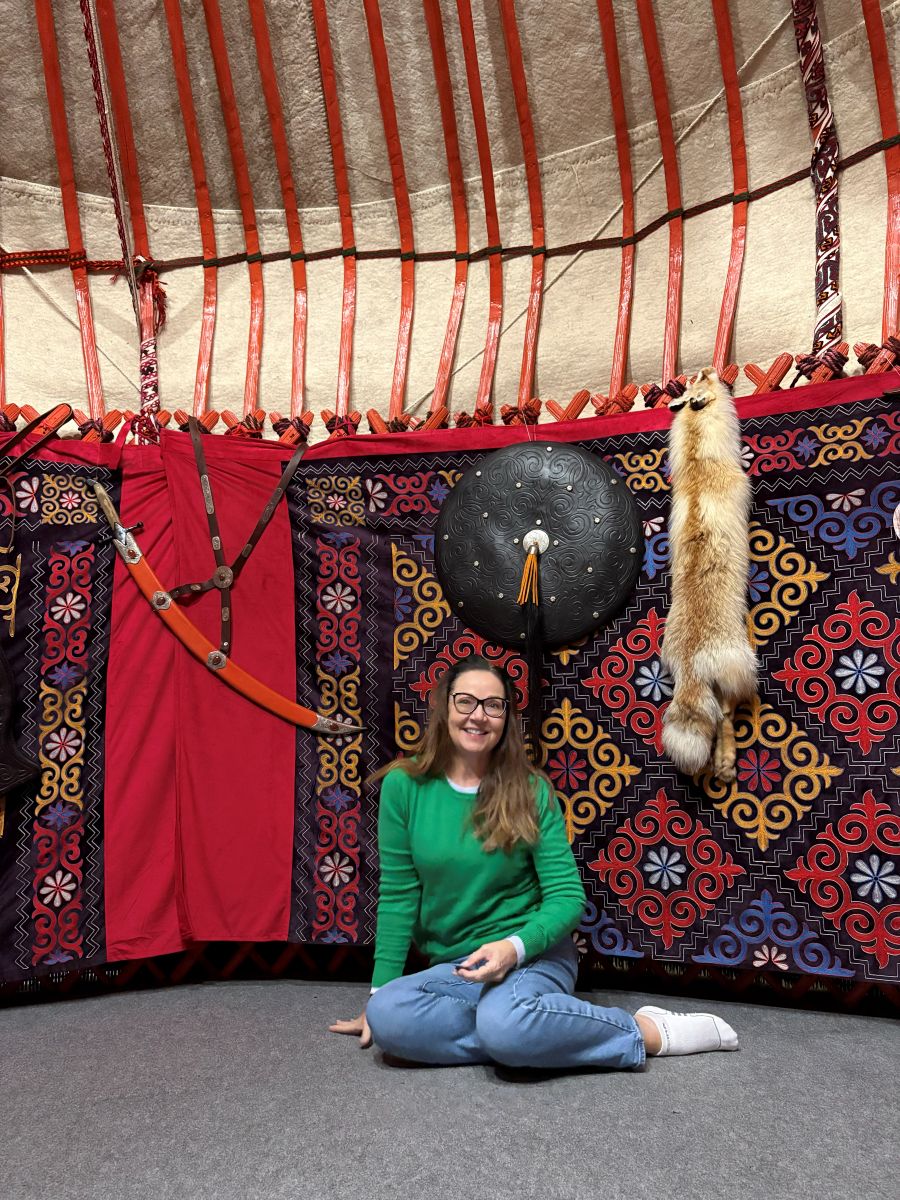
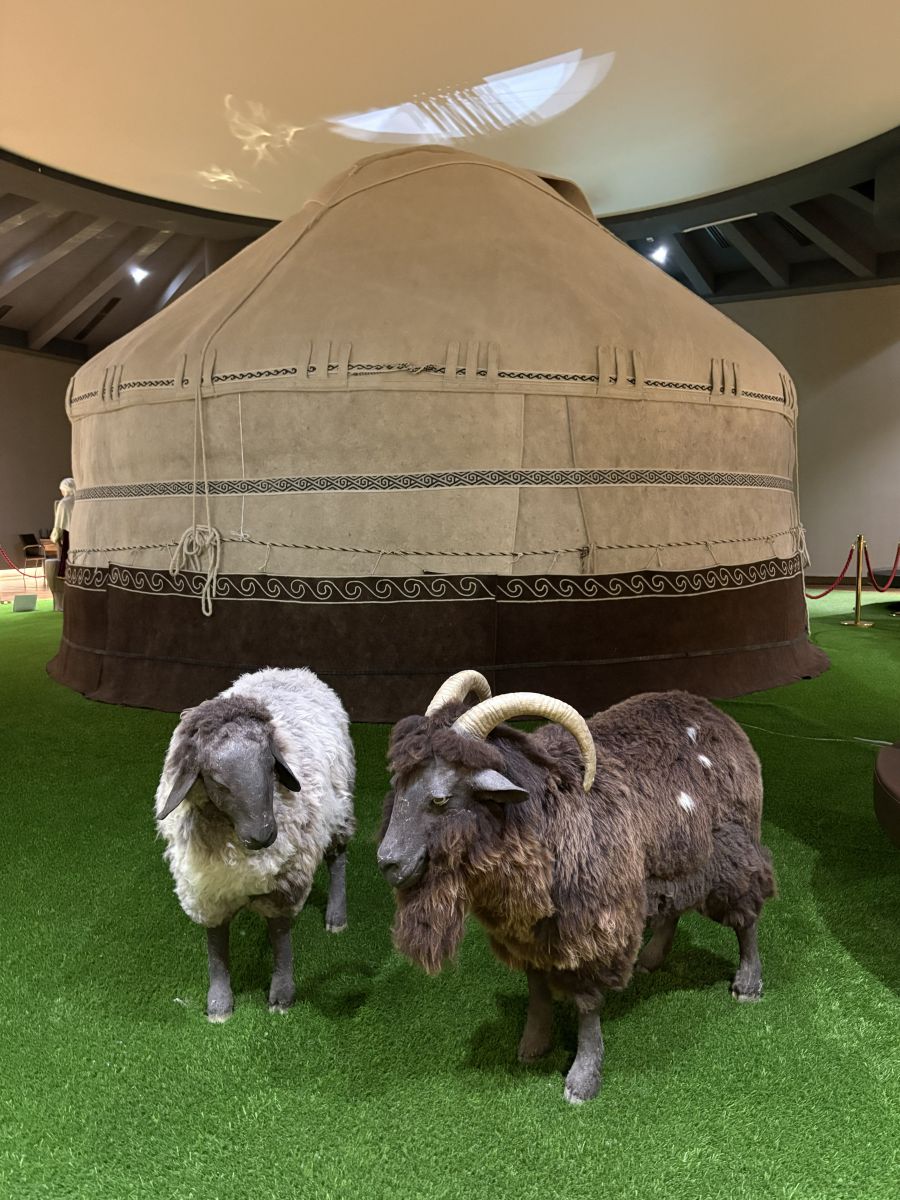
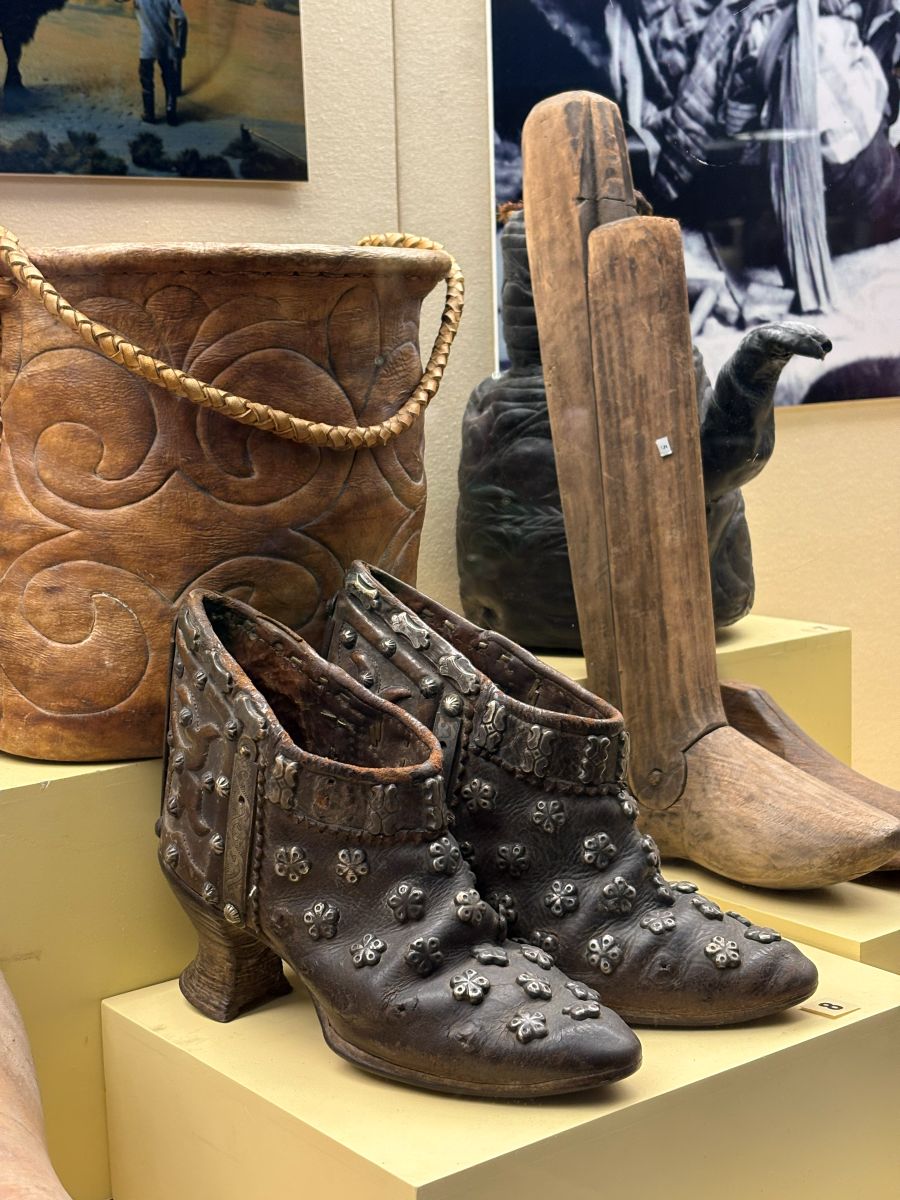
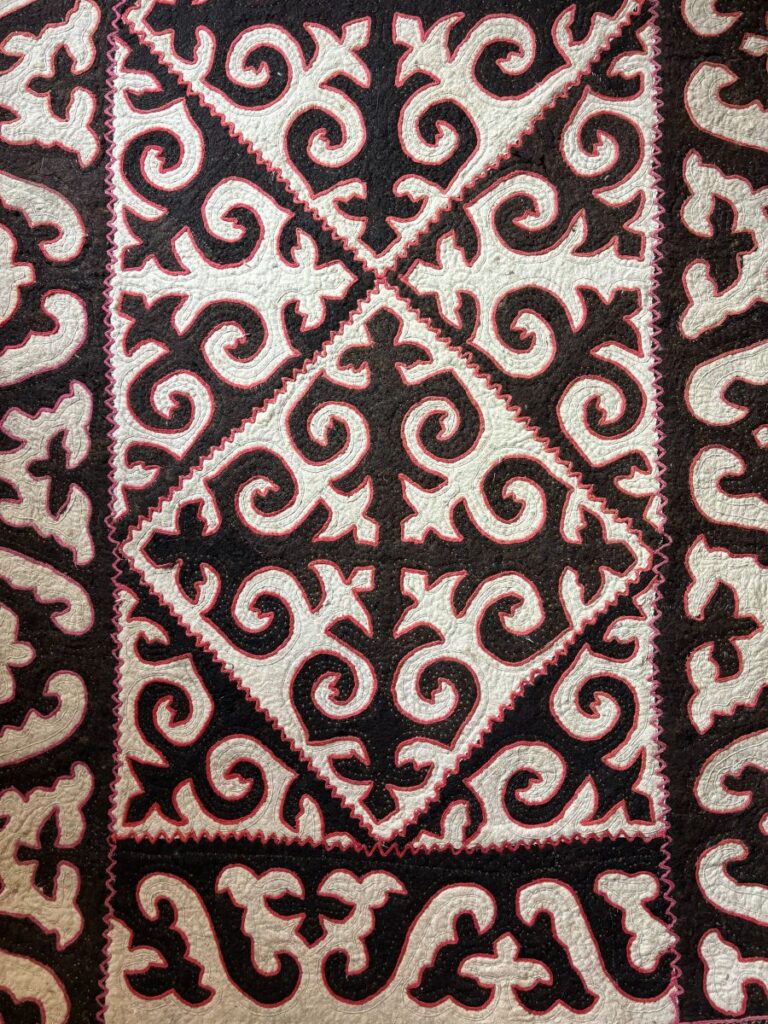
Three in total, these are filled with yurts, garments, animals and images of everyday life of the nomadic Kazakh people. Of specific interest and beauty are the bride’s dresses and head pieces dating from the 19th century.
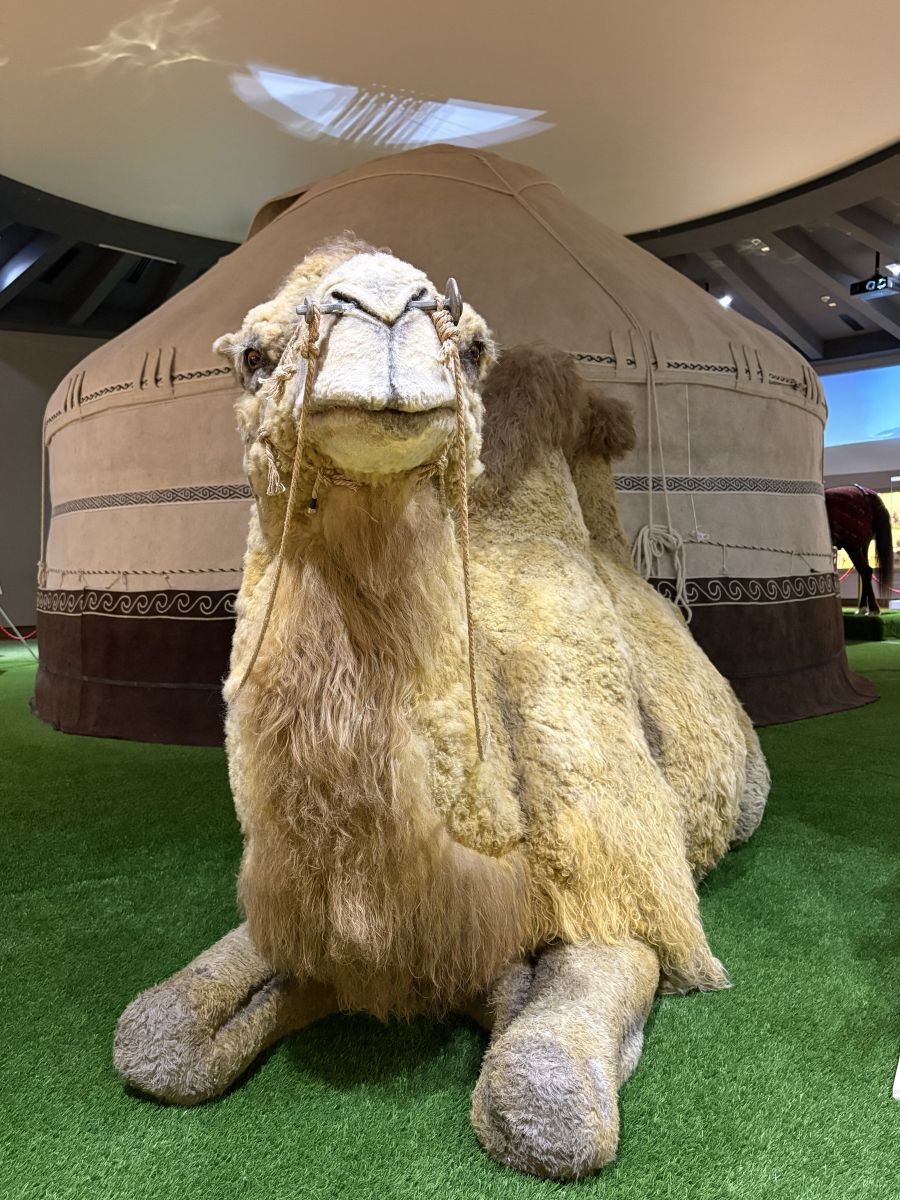
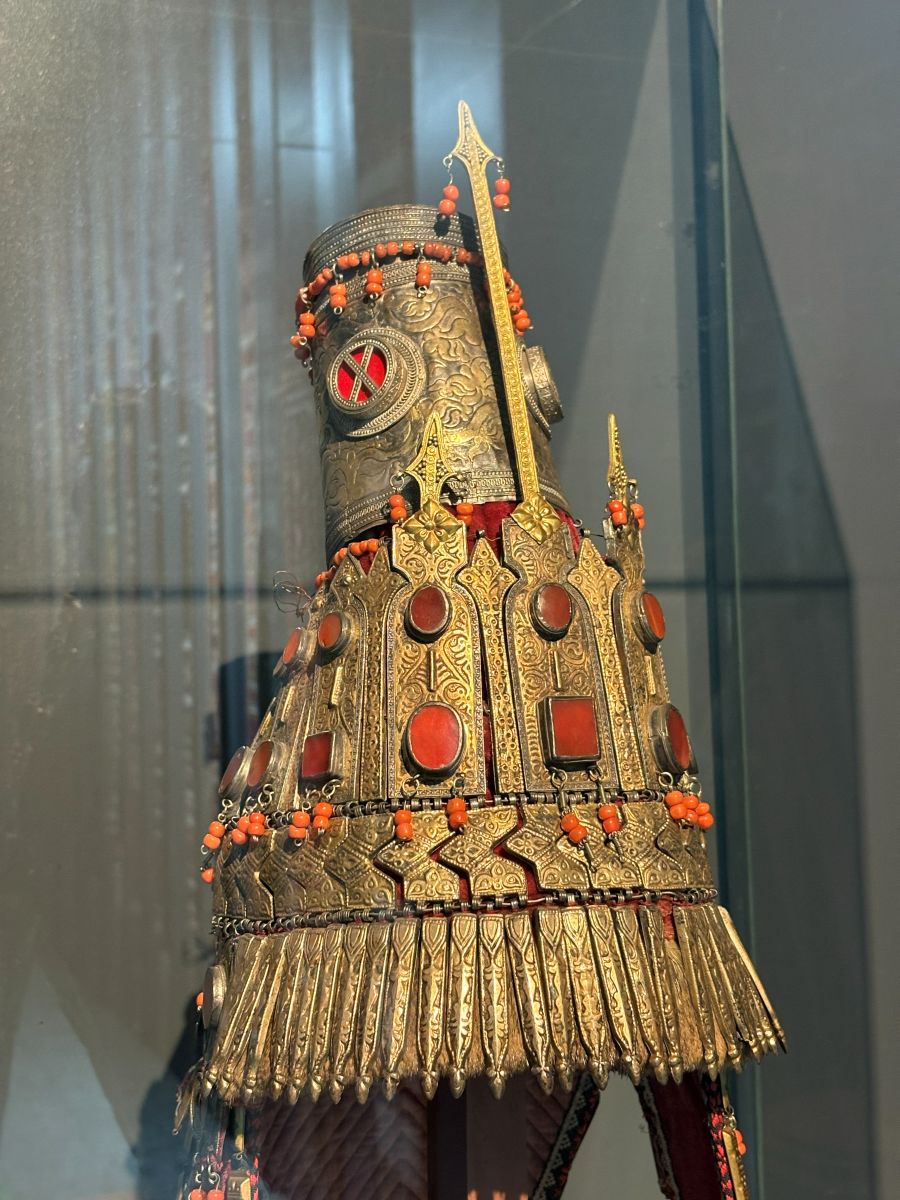
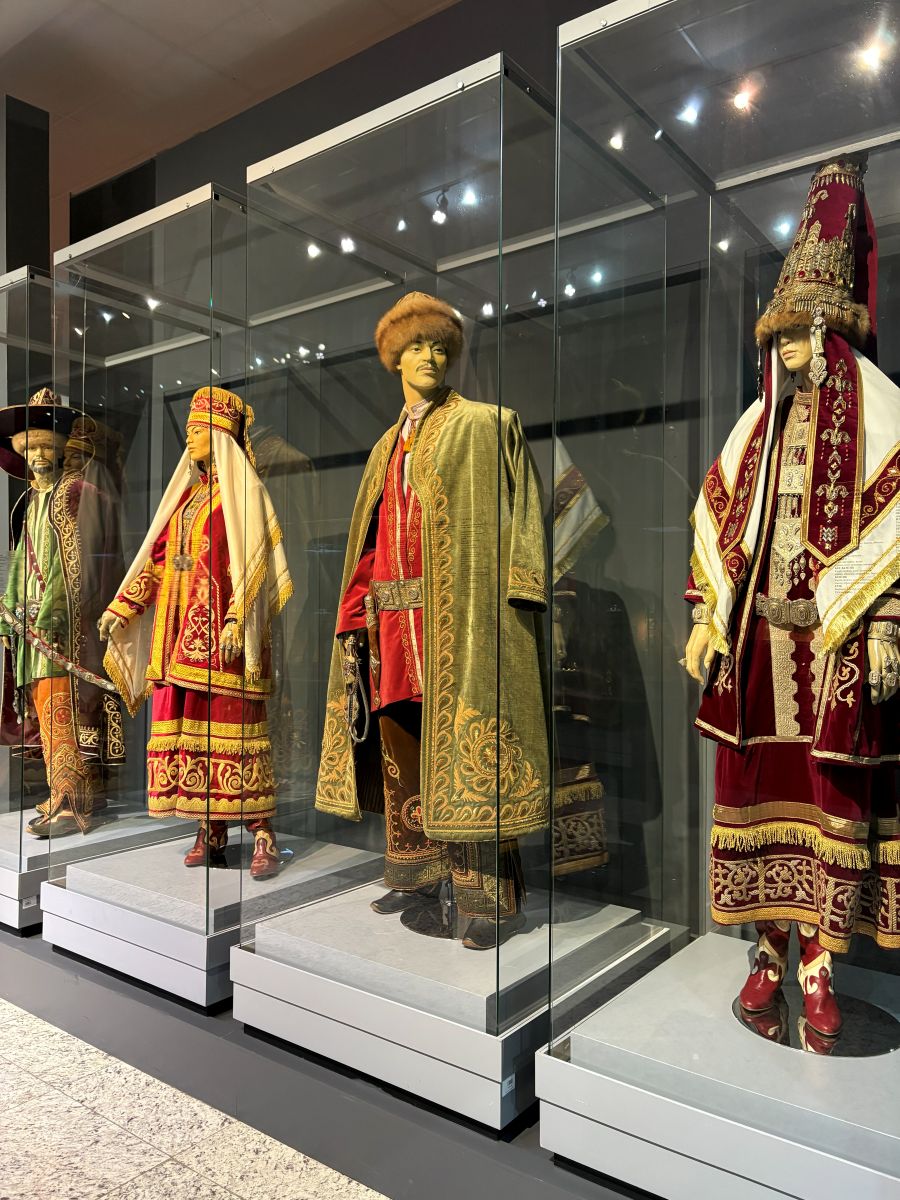
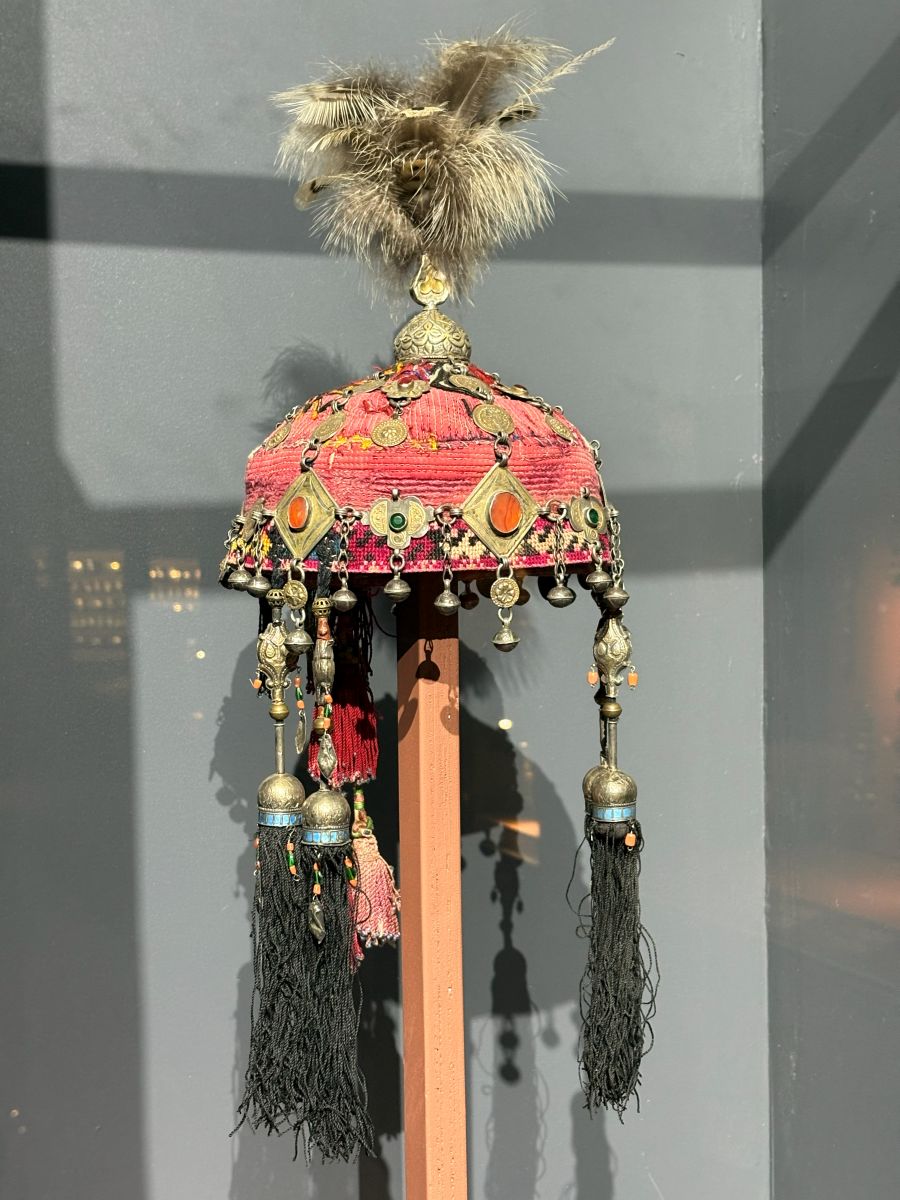
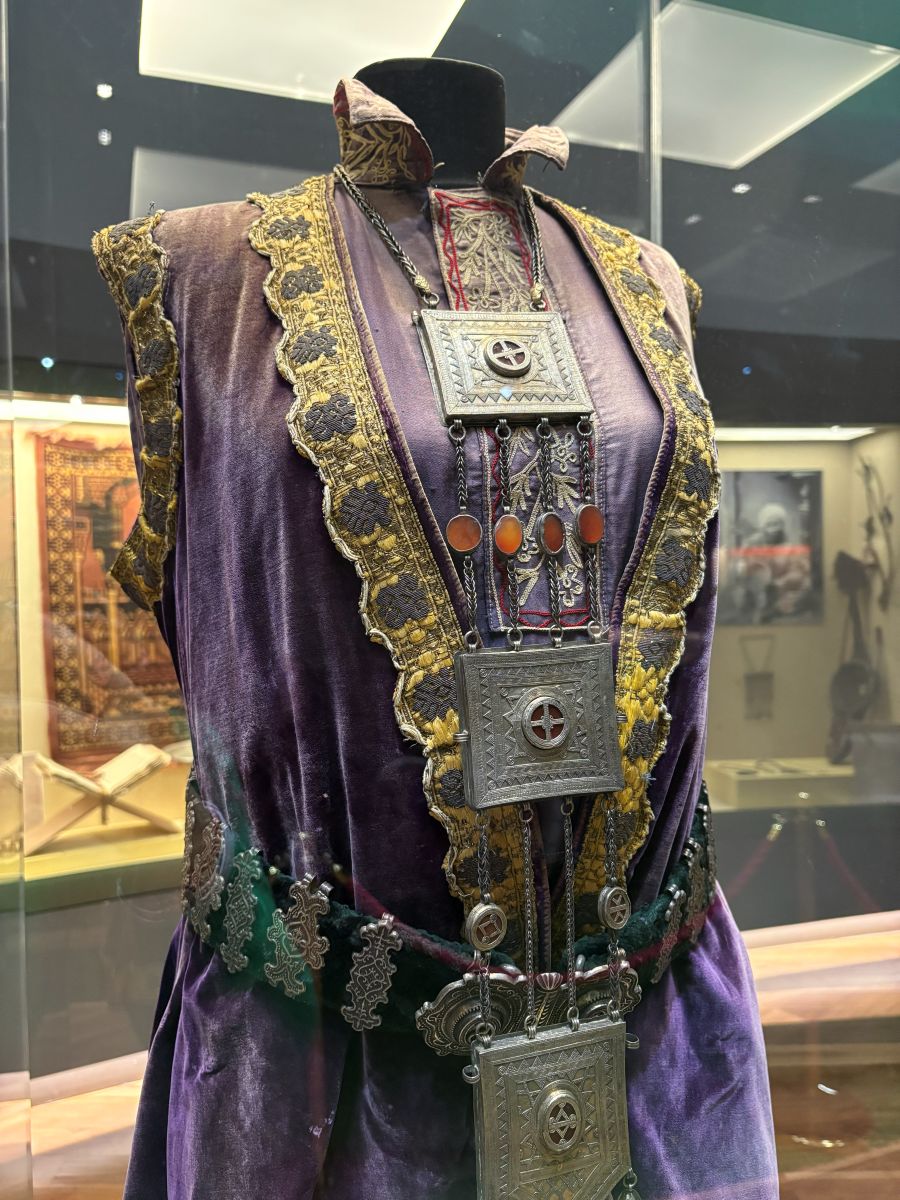
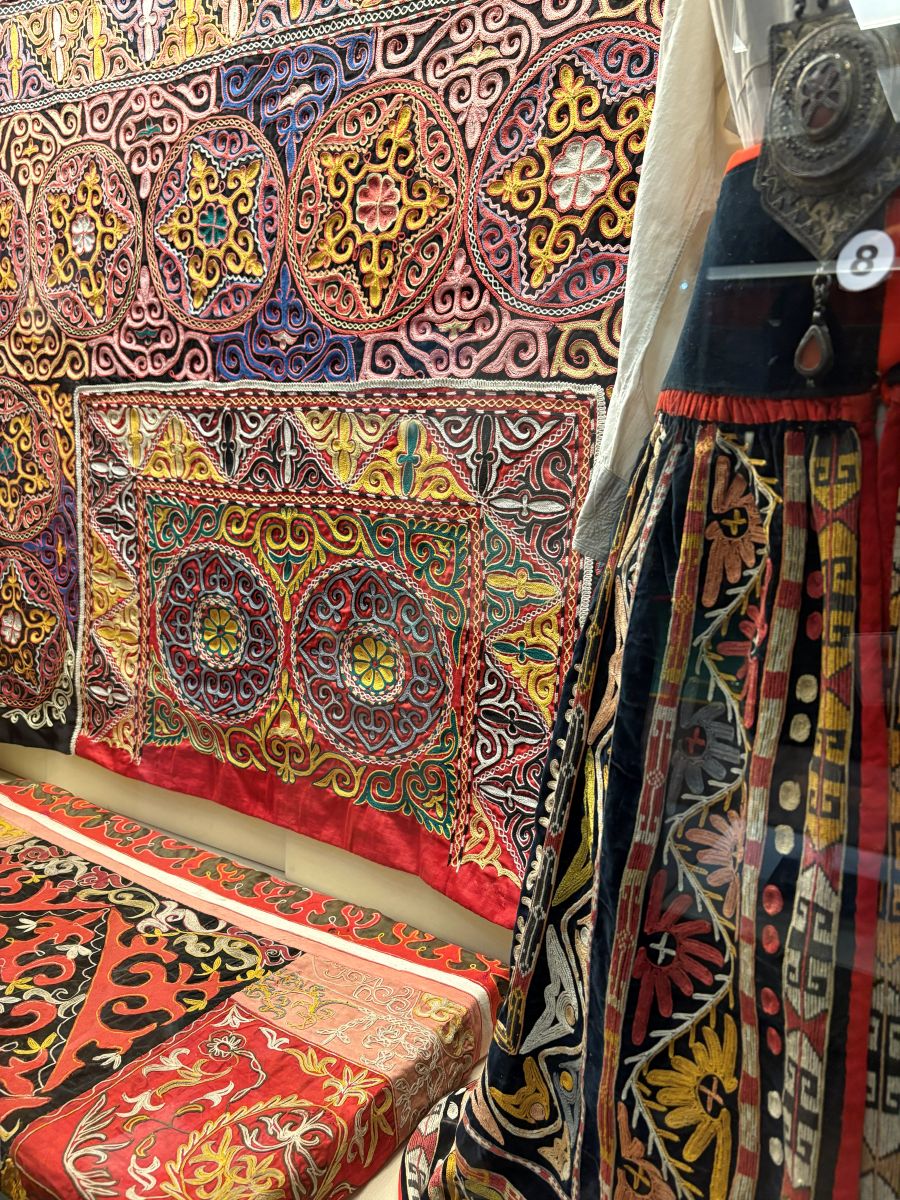
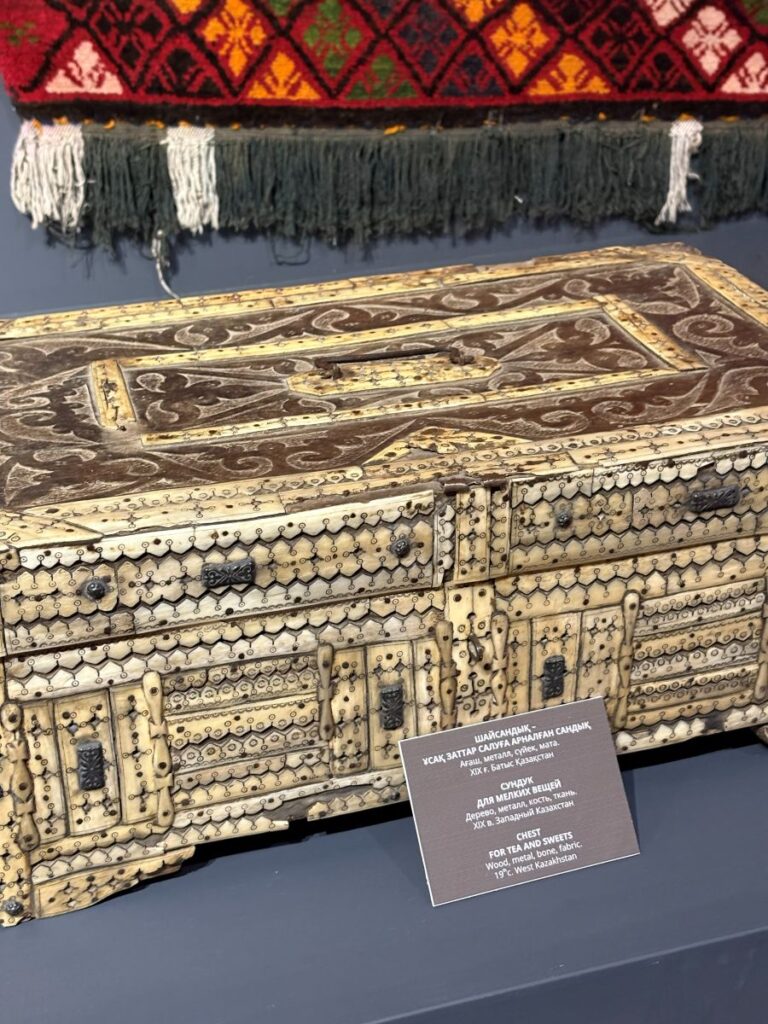
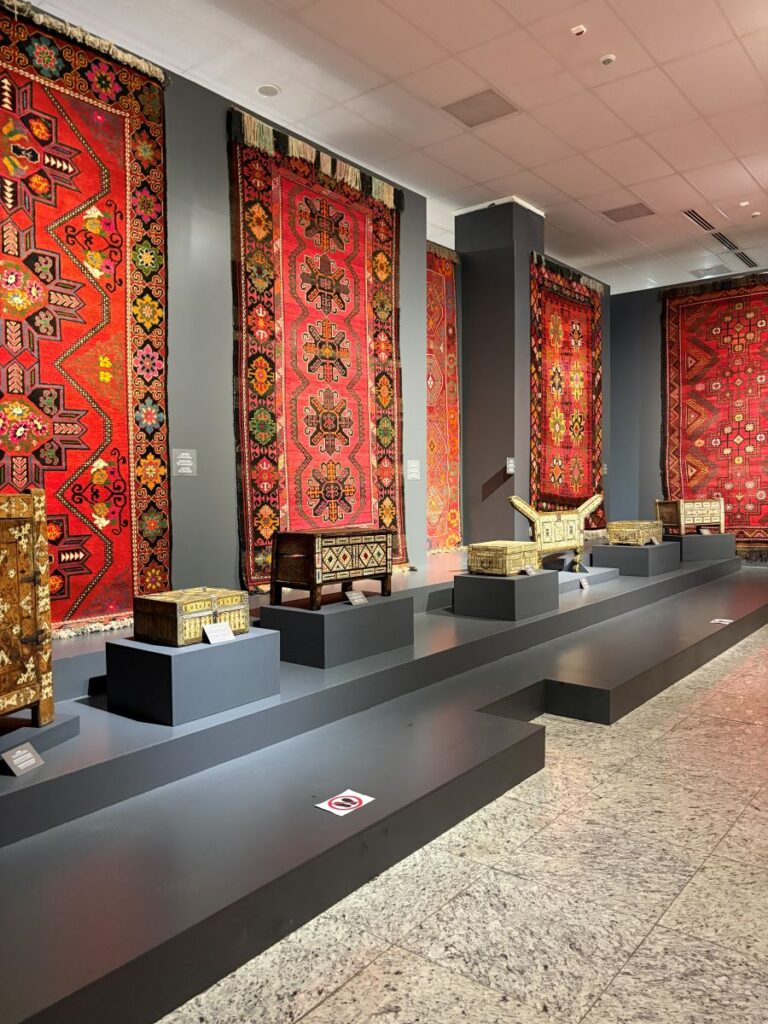
One hall on a high level, perhaps floor 7, contains the most beautiful hand made felt, wool and silk carpets. In front of them are large wooden tea chests decorated with patterned bone and silver, absolutely exquisite detailing.
19th & 20th Centuries
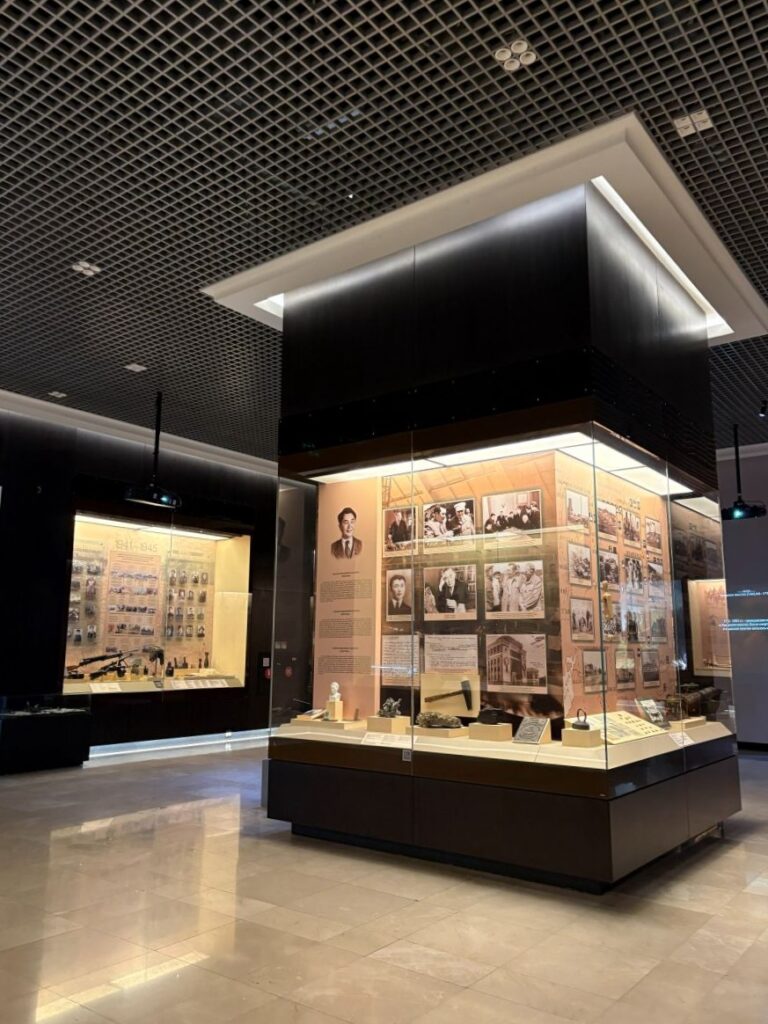
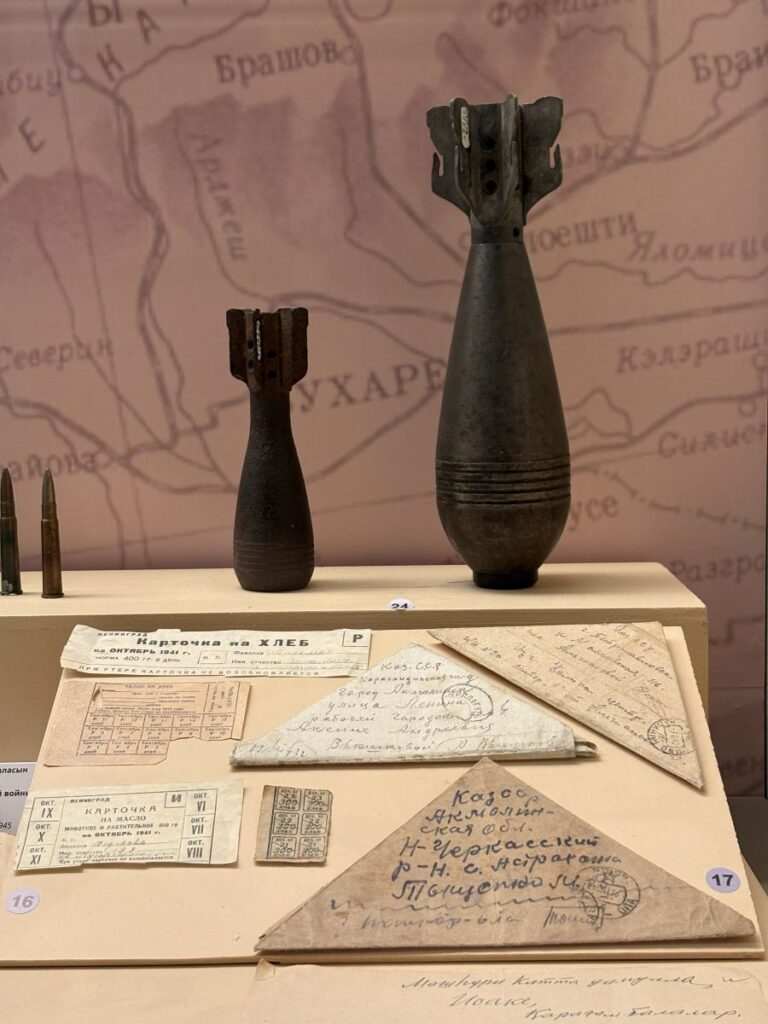
These halls are displaying thousands of items from the more recent history of Kazakhstan. Officers’ uniforms, weapons, coins, posters and poems. Lots of Soviet garments and weapons as well as historical documentation.

Fine Arts Hall
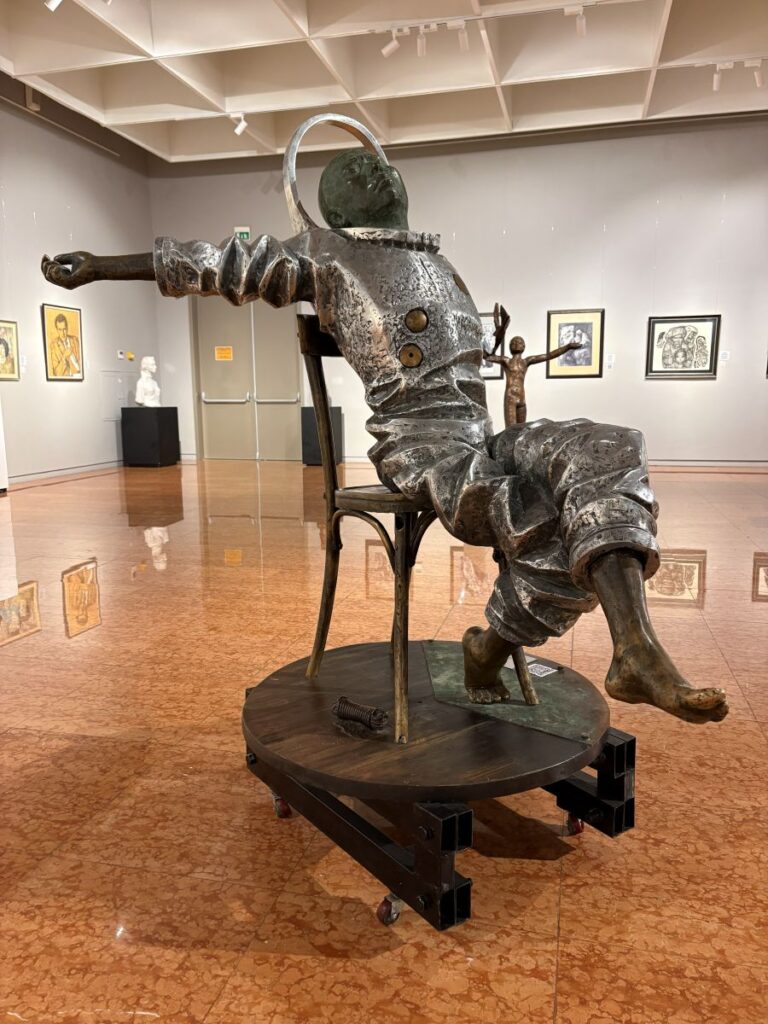
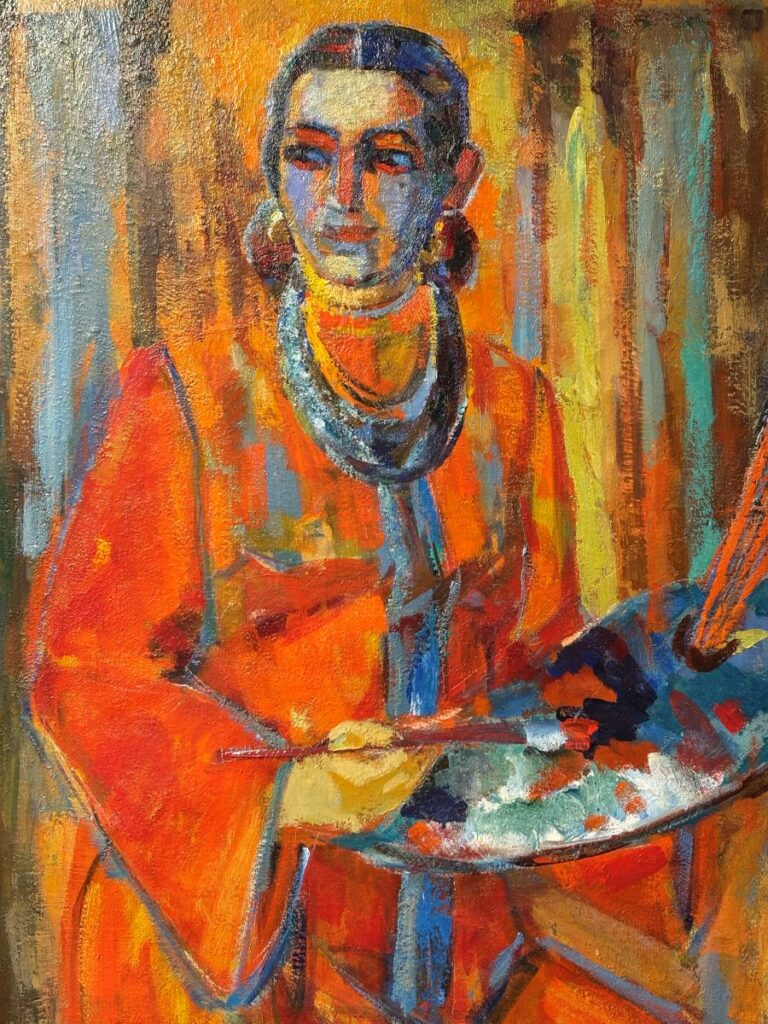
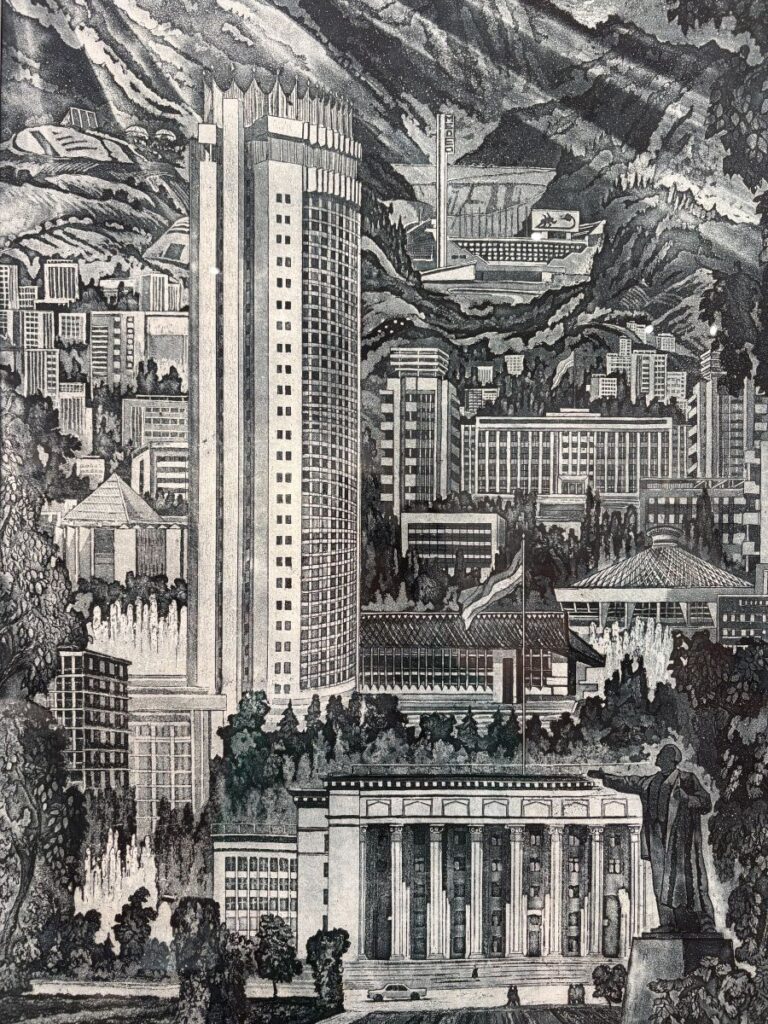
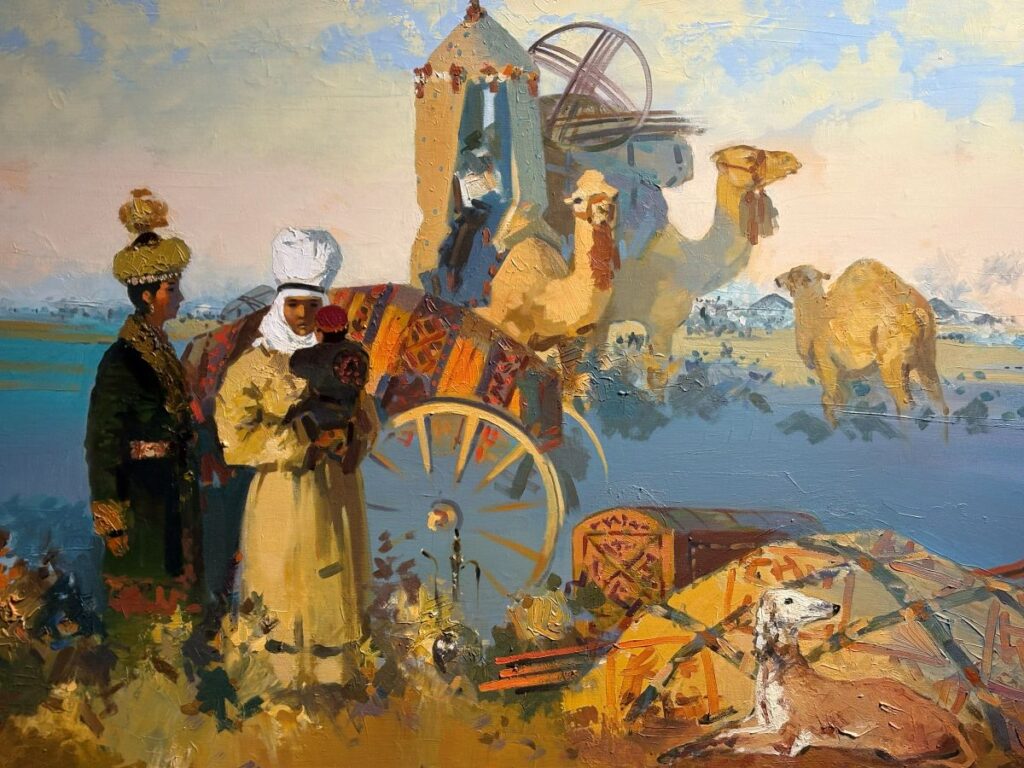
Near the middle, are the Fine Arts Halls that include sculpture and graphics. Some incredible paintings and art fill these large rooms, really poignant pieces using vivid colours and relaying emotion. Some are absolutely massive and cover an entire wall, while others are simply a black and white pencil drawing. I spent quite a bit of time in these rooms, really interested to see how these artists were documenting life as they knew it and witnessed it.
Outer Space & Lights
Randomly in a large cavity of stairwells there is an exhibition of space items. A gigantic Soviet rocket perches upwards and fills the central space. On the landings around the stairs are several other items related to space travel. And more randomly, inside one large room is an animated light display.
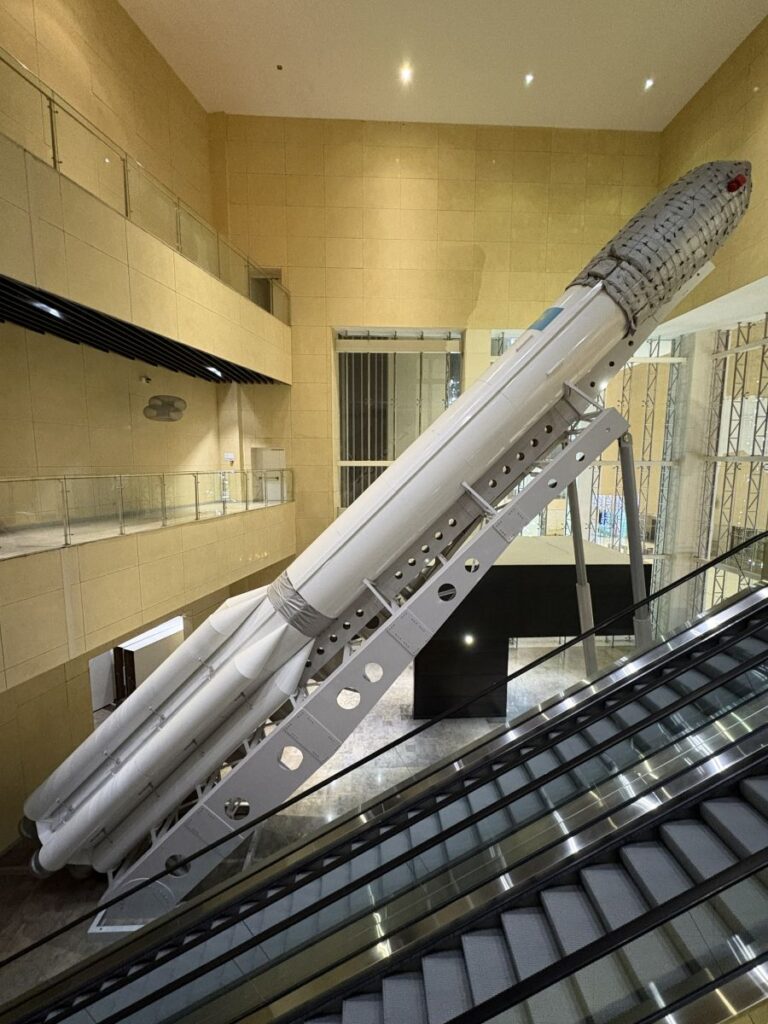
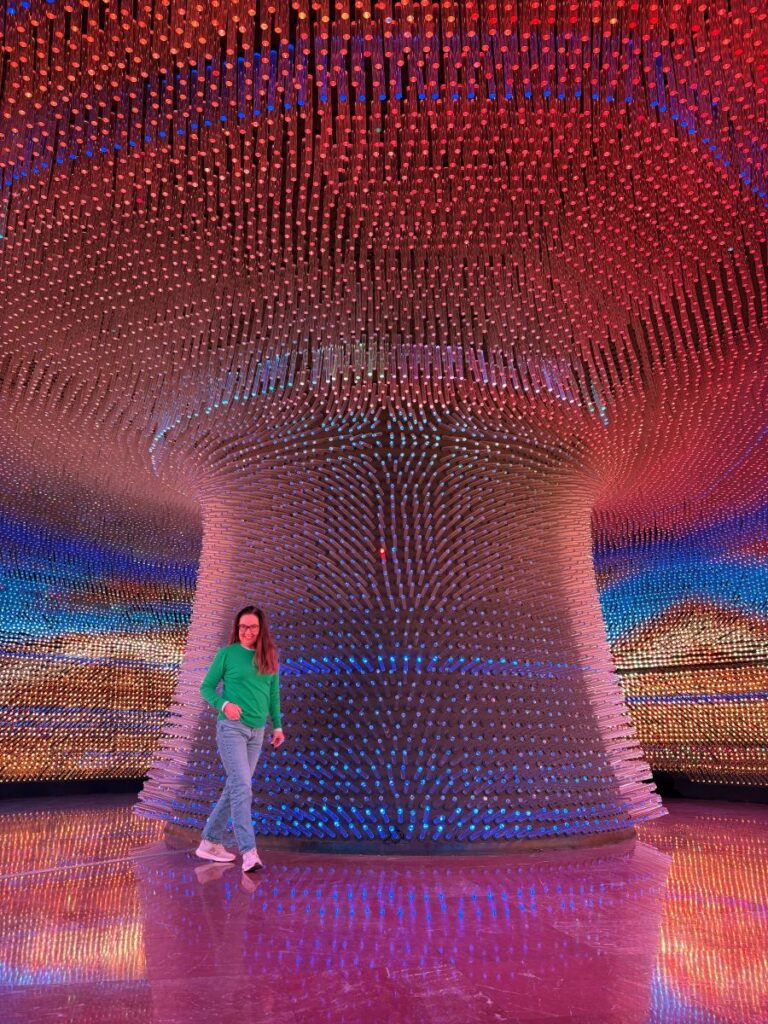
Like I mentioned towards the beginning of this post, the chaotic layout of this museum is indescribable and can leave you feeling frustrated. My advice is to move upwards from the ground floor. There is actually a sub-floor too, separate from that of the market place. I got turned around down there and couldn’t find a way to get back up. 😬 It is that confusing. All in all, I spent five hours inside, and was completely exhausted when I left. This huge museum is worth seeing especially at the price of the entrance ticket. But be prepared for a big big day and don’t forget that little café which can be a lifesaver for a respite.