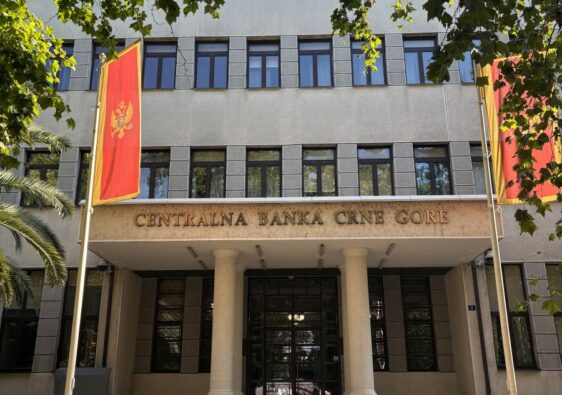
On this short visit to the capital, my intention is to explore the streets, enjoy the beautiful sunshine and take in the atmosphere. What has come as a huge surprise is the astonishing amount and variety of architecture that crosses my path. Normally cities are like an onion. The core is the oldest and one style, the next layer is another and so forth. There is a pattern, a layout that makes historical sense. Not so here. The amazing architecture in Helsinki Finland is wreaking havoc on my brain. 😂
Where to Start?
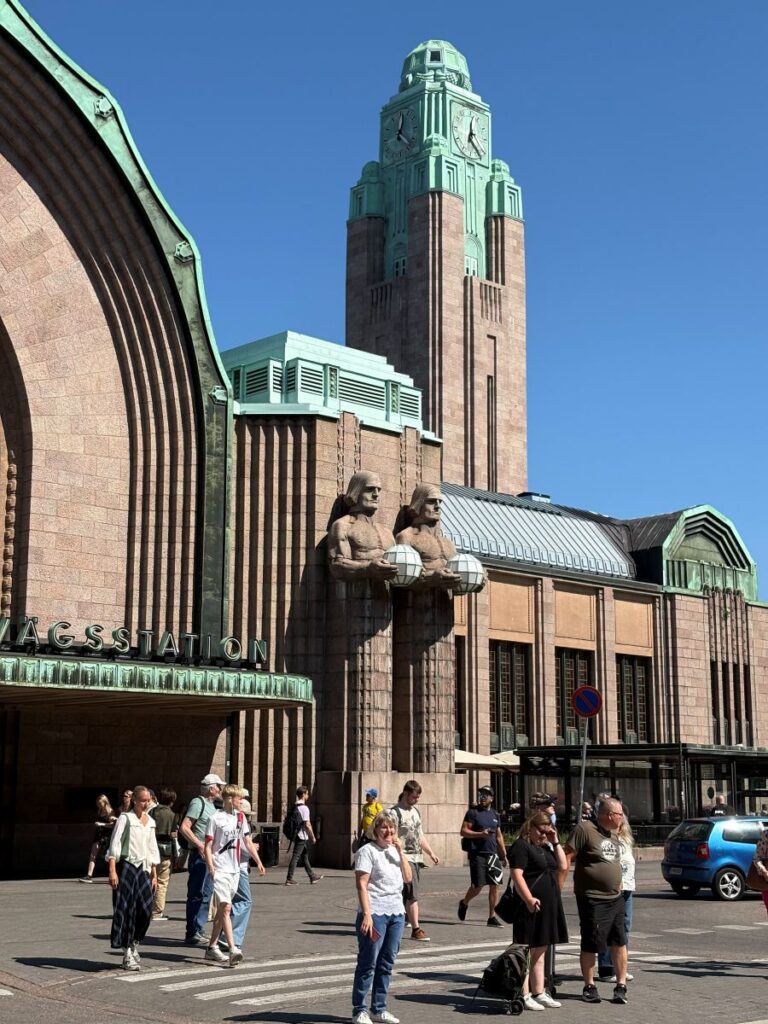
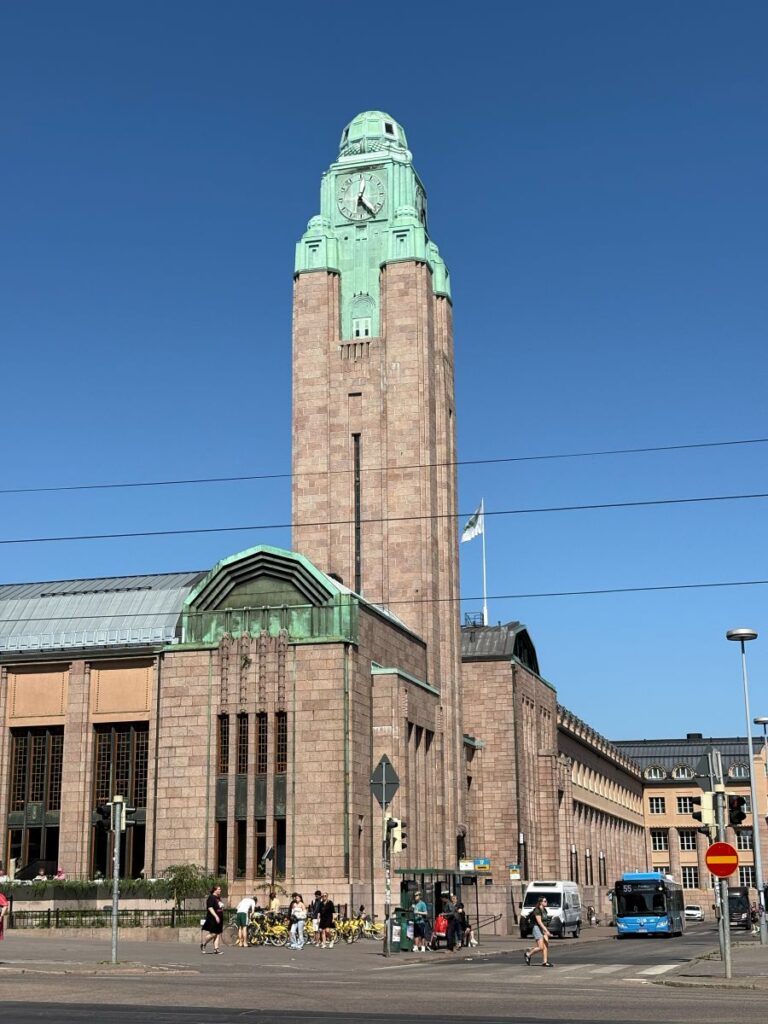
I’m not even sure where to start this post, as there is no rhyme or reason to what I am seeing here. Let’s head to the railway station, something I saw from a distance and immediately knew I needed a closer inspection of. Built in 1919, this building is an example of Finnish Romantic style. Those mythical stone giants that guard the front entrance are incredible as is the clock tower behind.
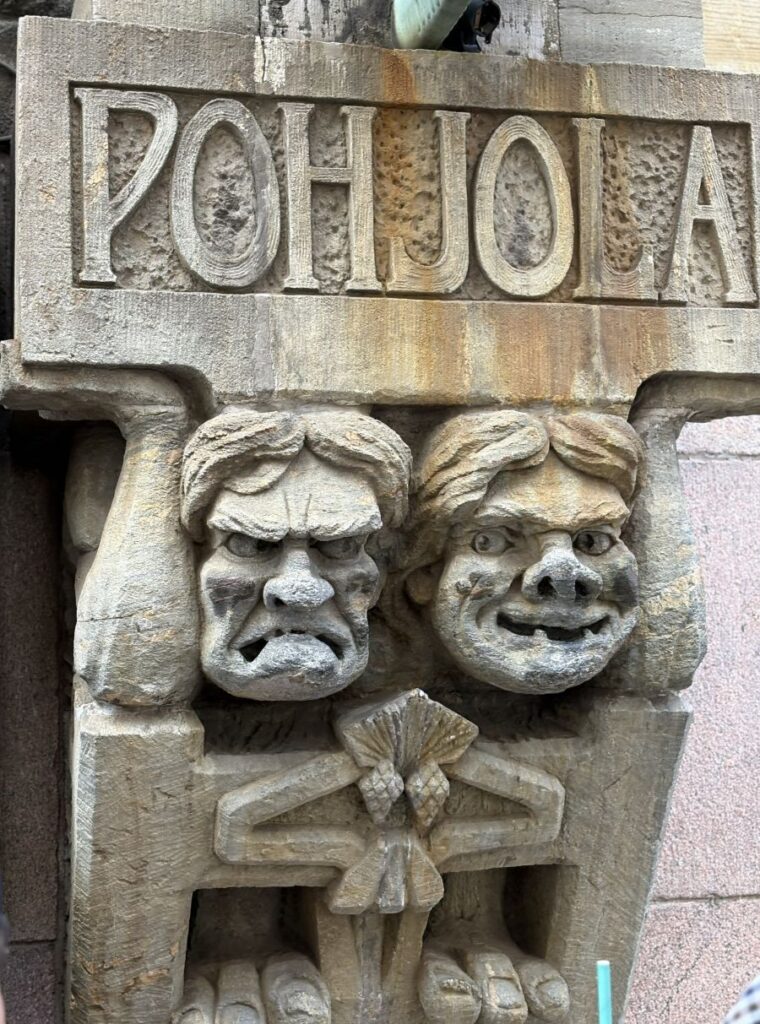
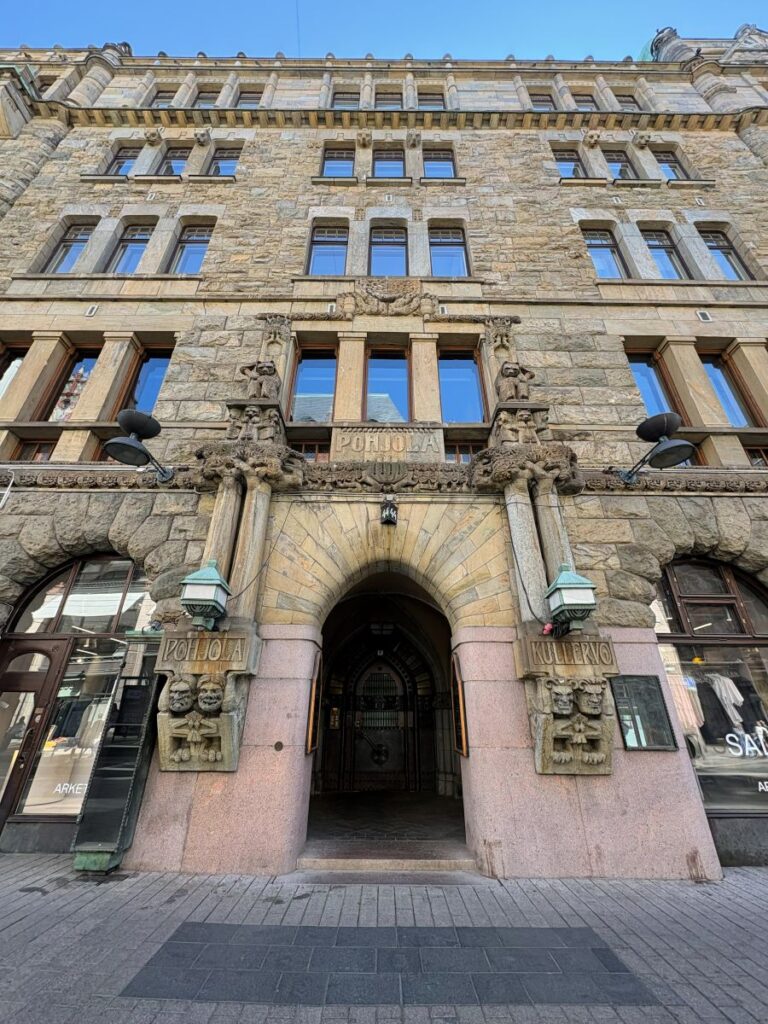
Pohjola Insurance Building
Another example of Finnish National Romantic style is this amazing building not far from the railway station. Constructed in 1900, the contract was set as a competition with the only requirement being that the building must be fireproof and therefore built of stone. The limestone façade is decorated with squirrels, vegetation and mythical figures from Finnish folklore.
Art Nouveau
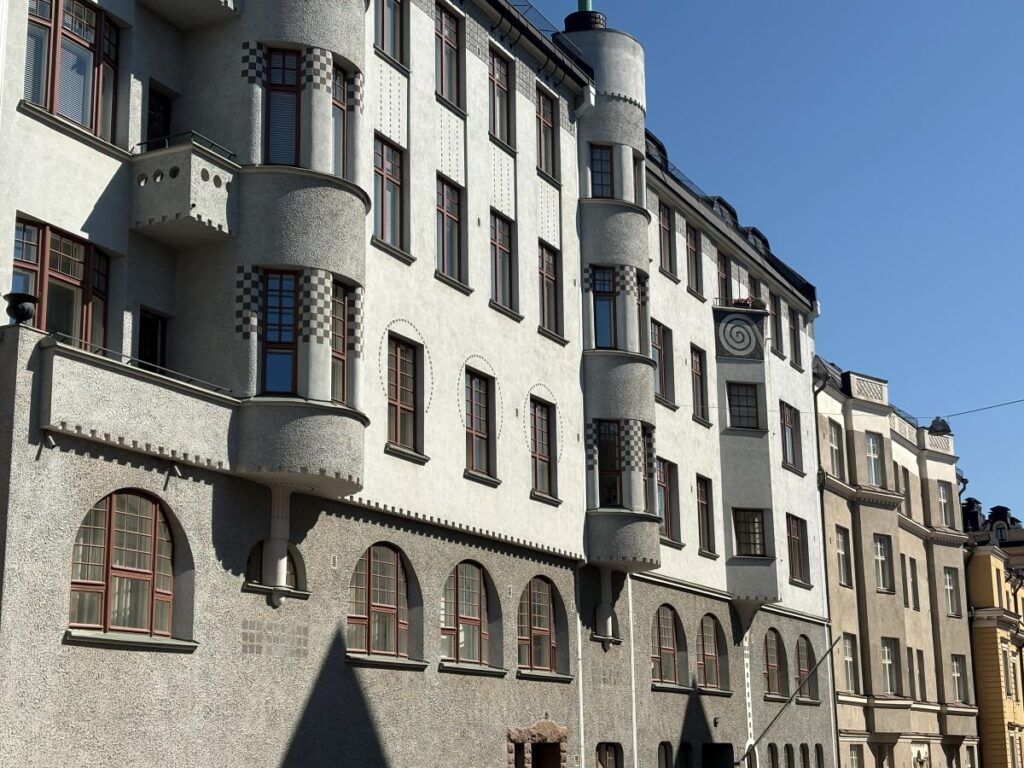
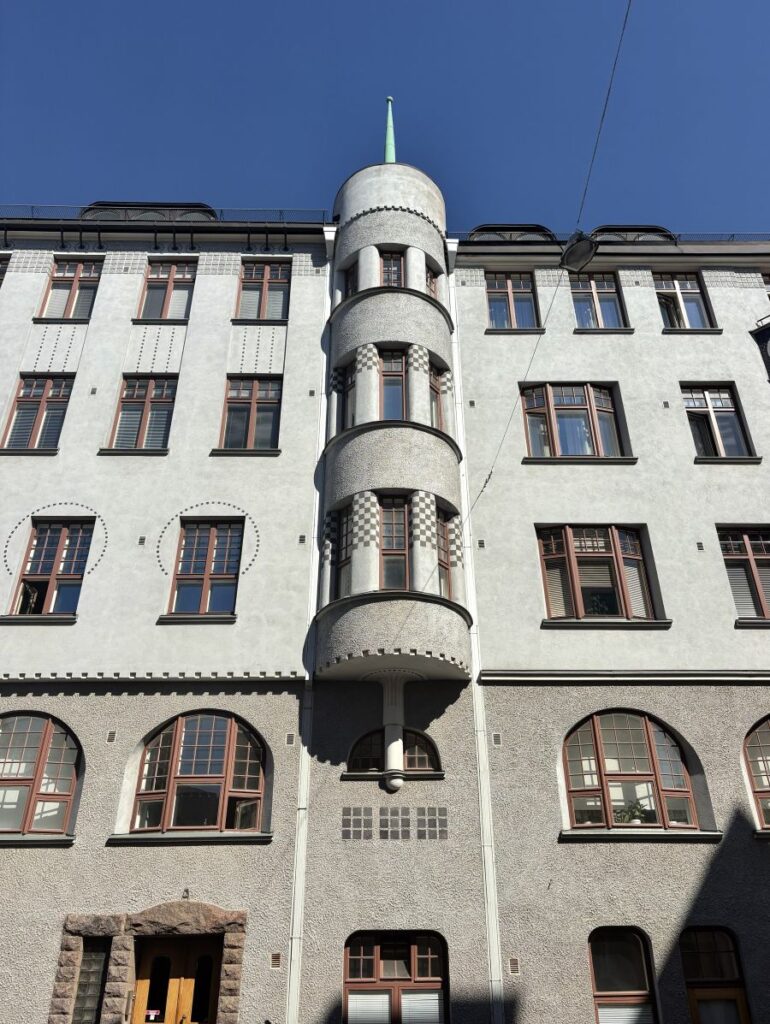
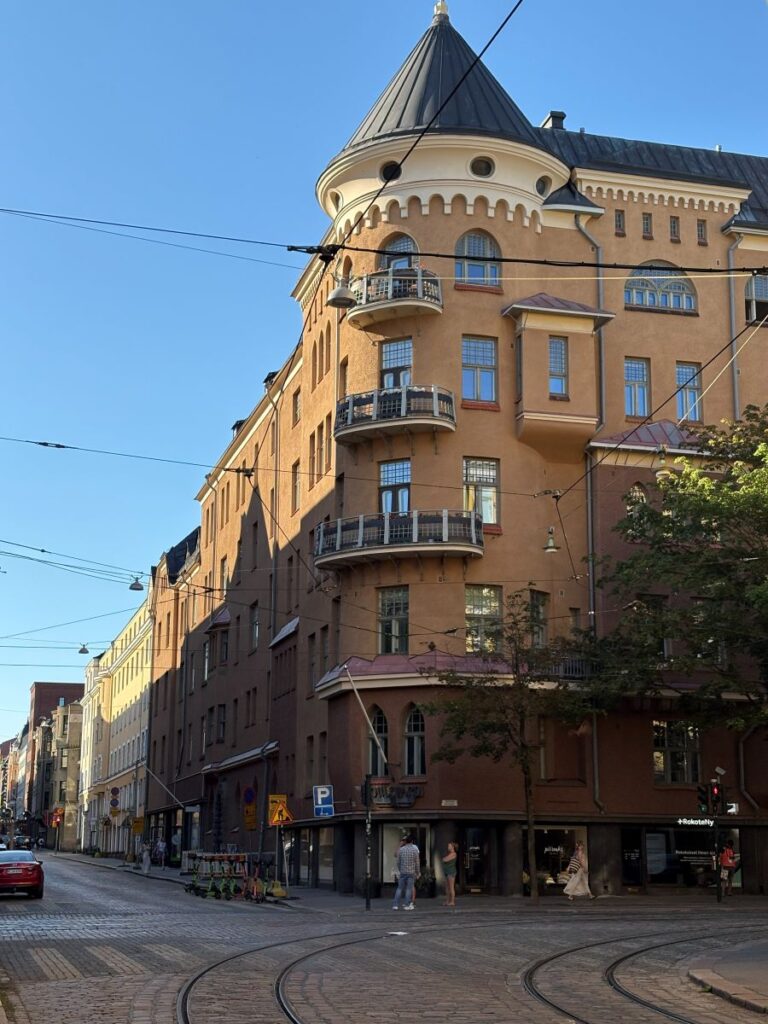
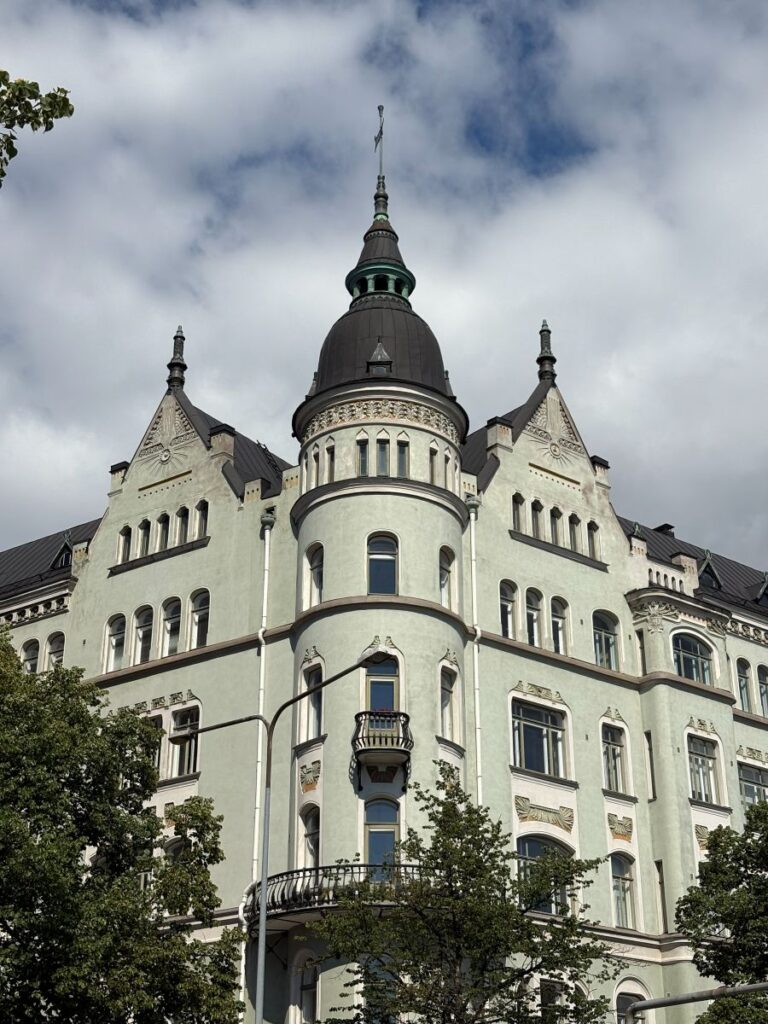
Helsinki contains the largest concentration of Art Nouveau (Jugendstil) architecture in northern Europe. There are over 600 buildings from this era that date from late 19th century to early 20th century. Walking the streets, it is everywhere and the beauty is definitely in the details. Many of the buildings are painted lovely soft colours and this sets off the carved floral, animal and plant life perfectly. Have a look at some of these details, everything from bear heads, to flowers, faces, leaves, swirls and organic shapes.
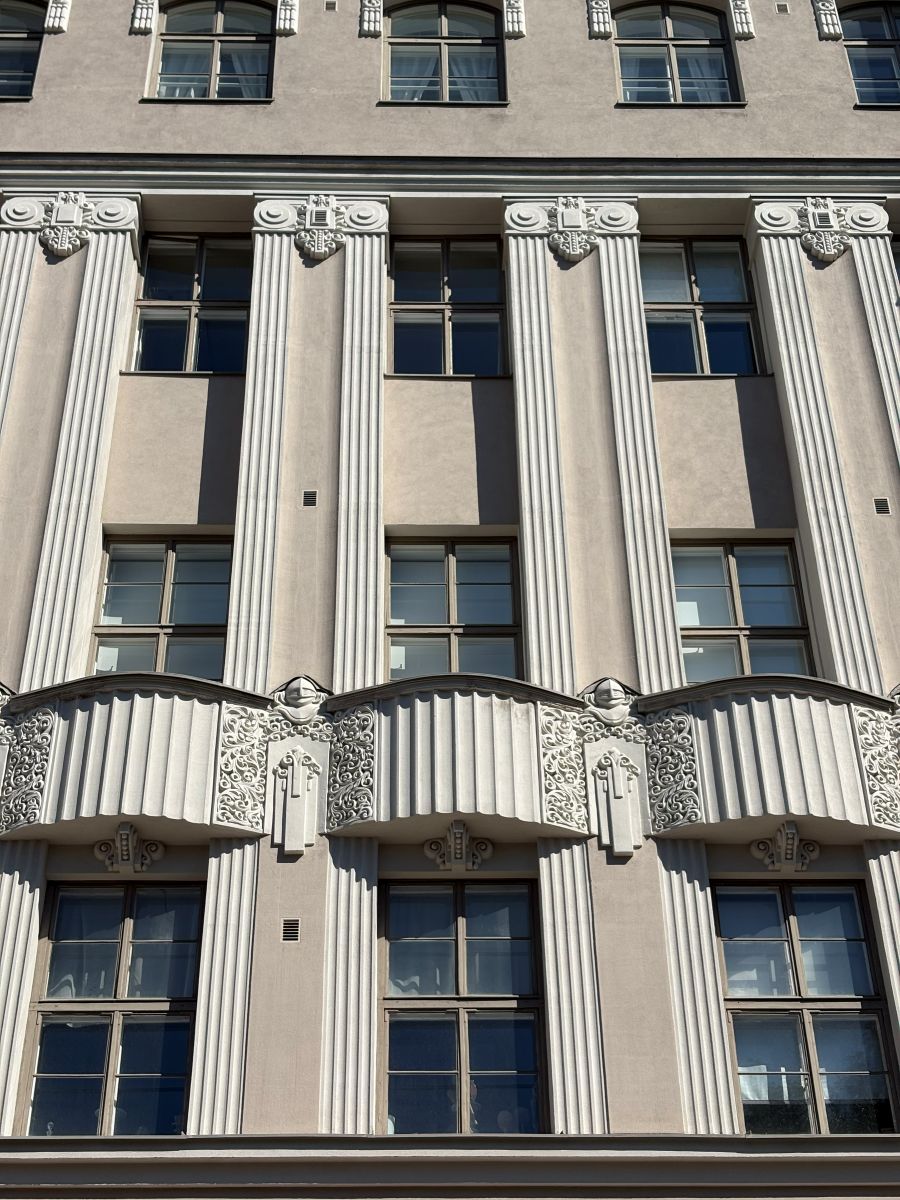
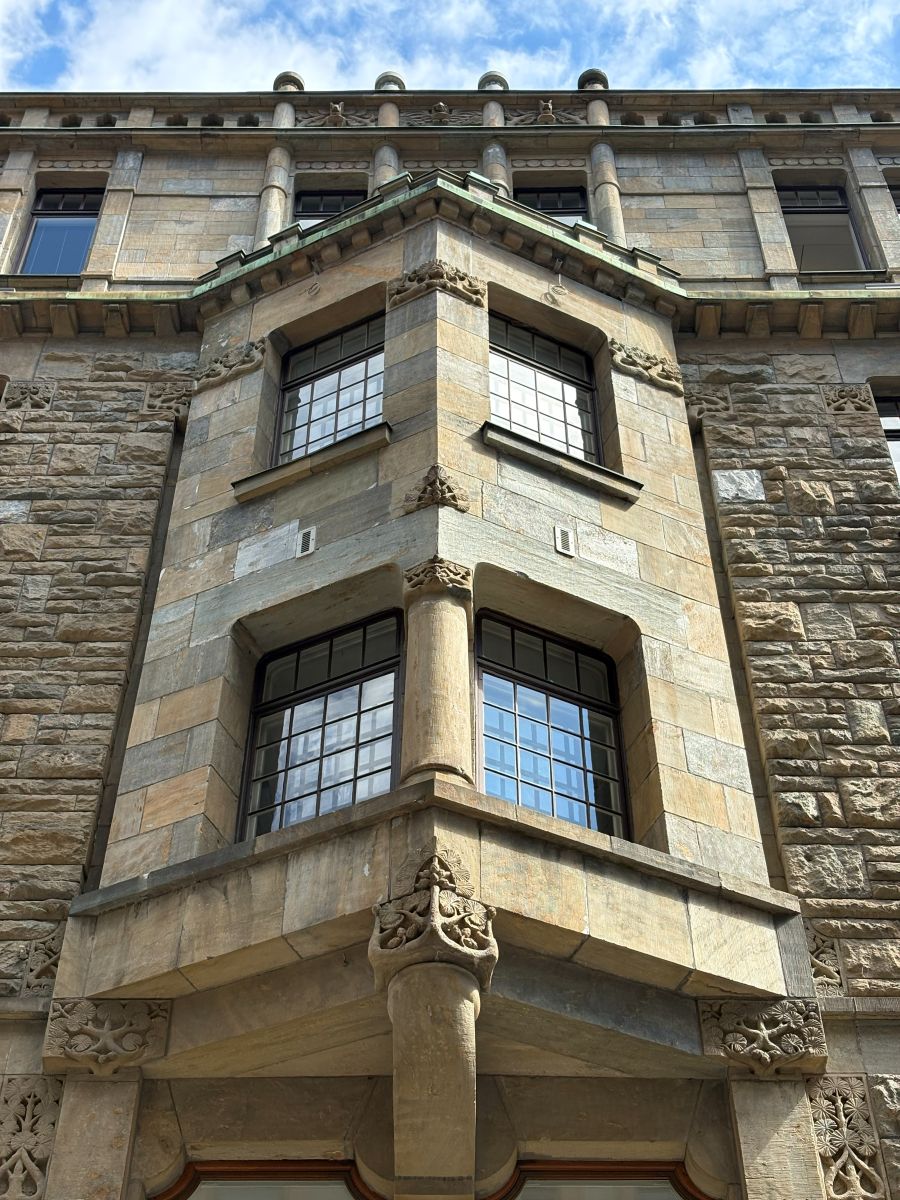
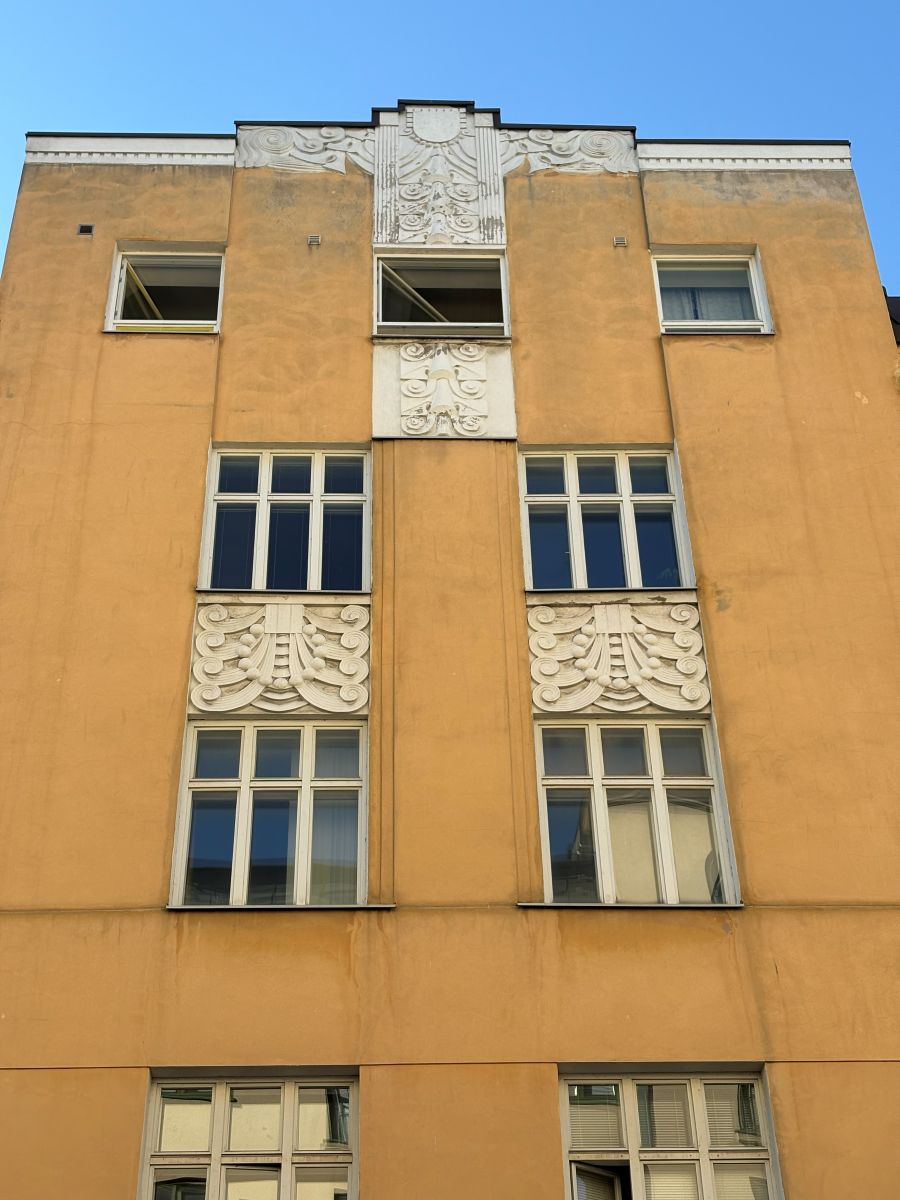
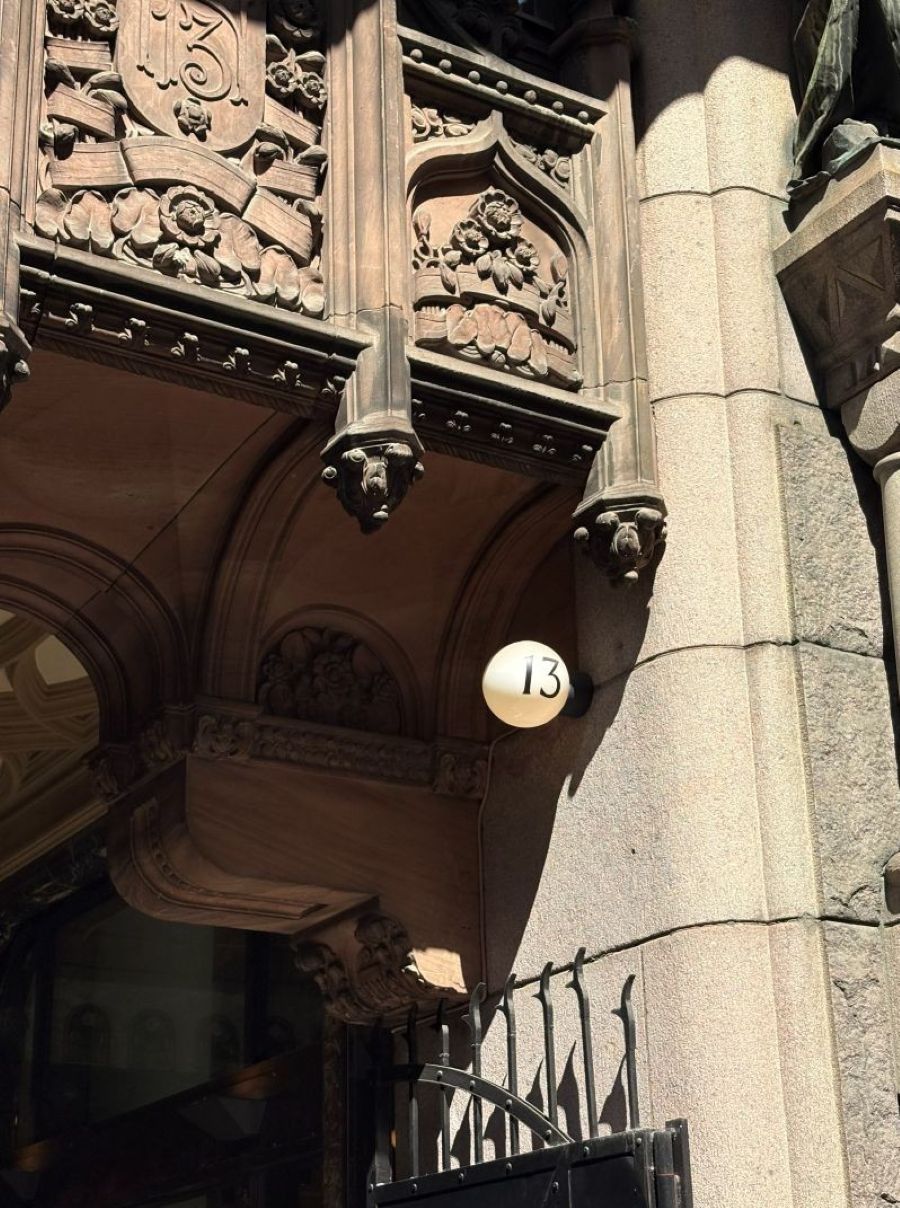
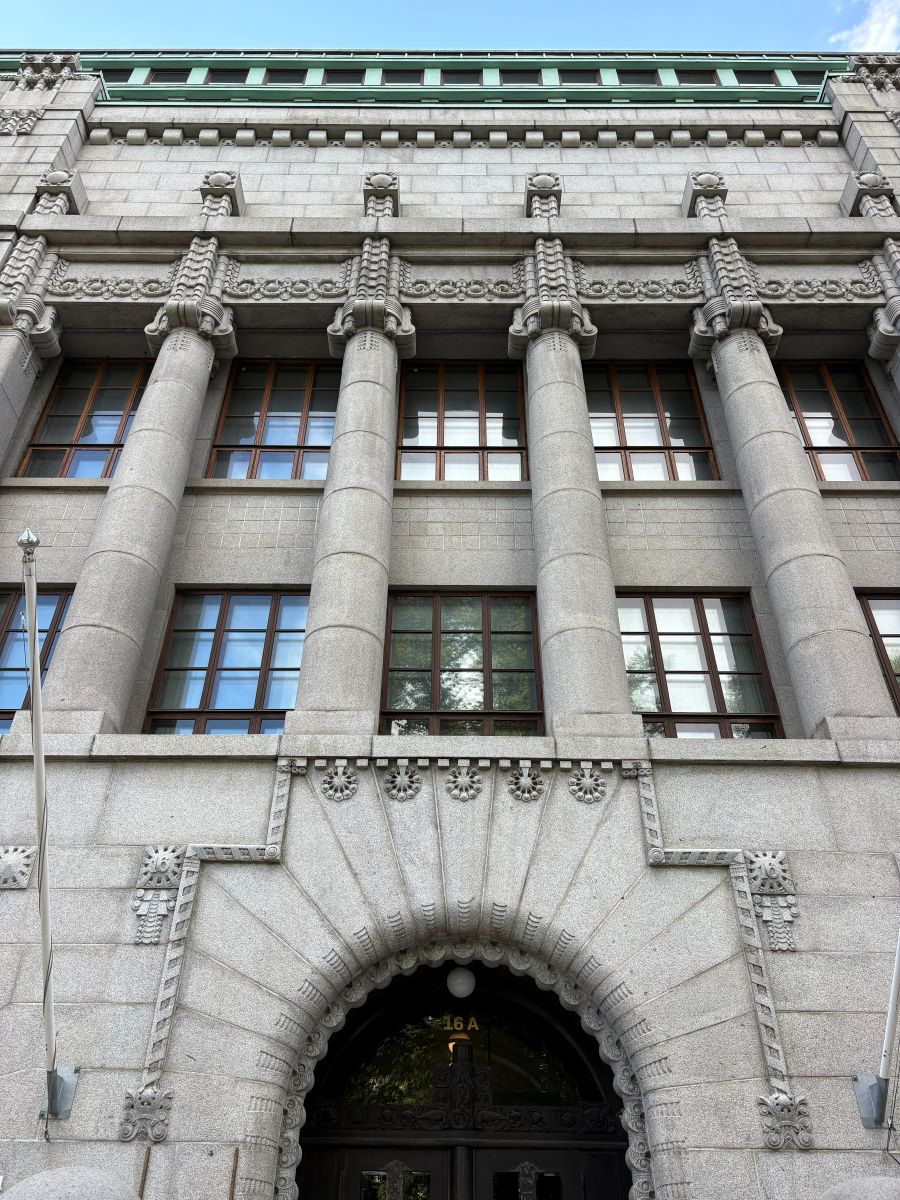
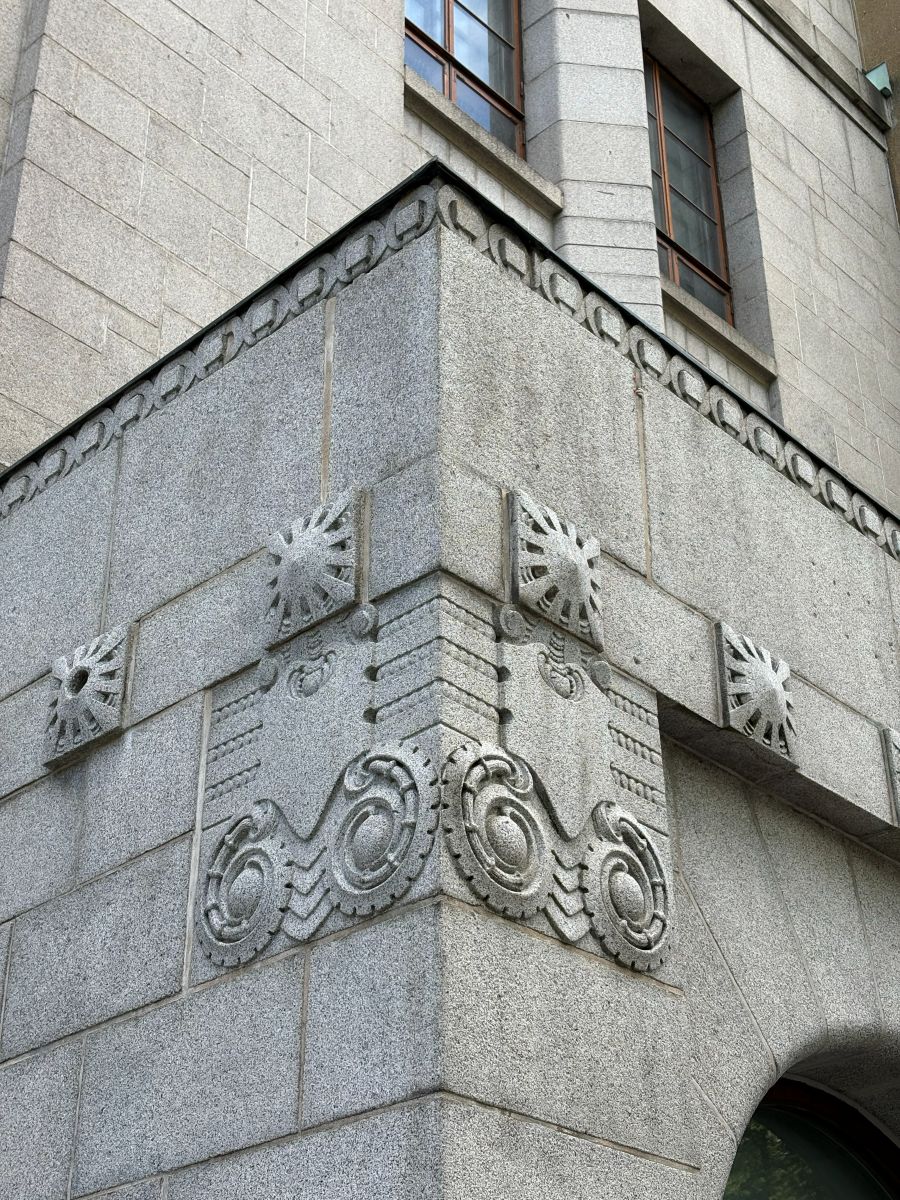
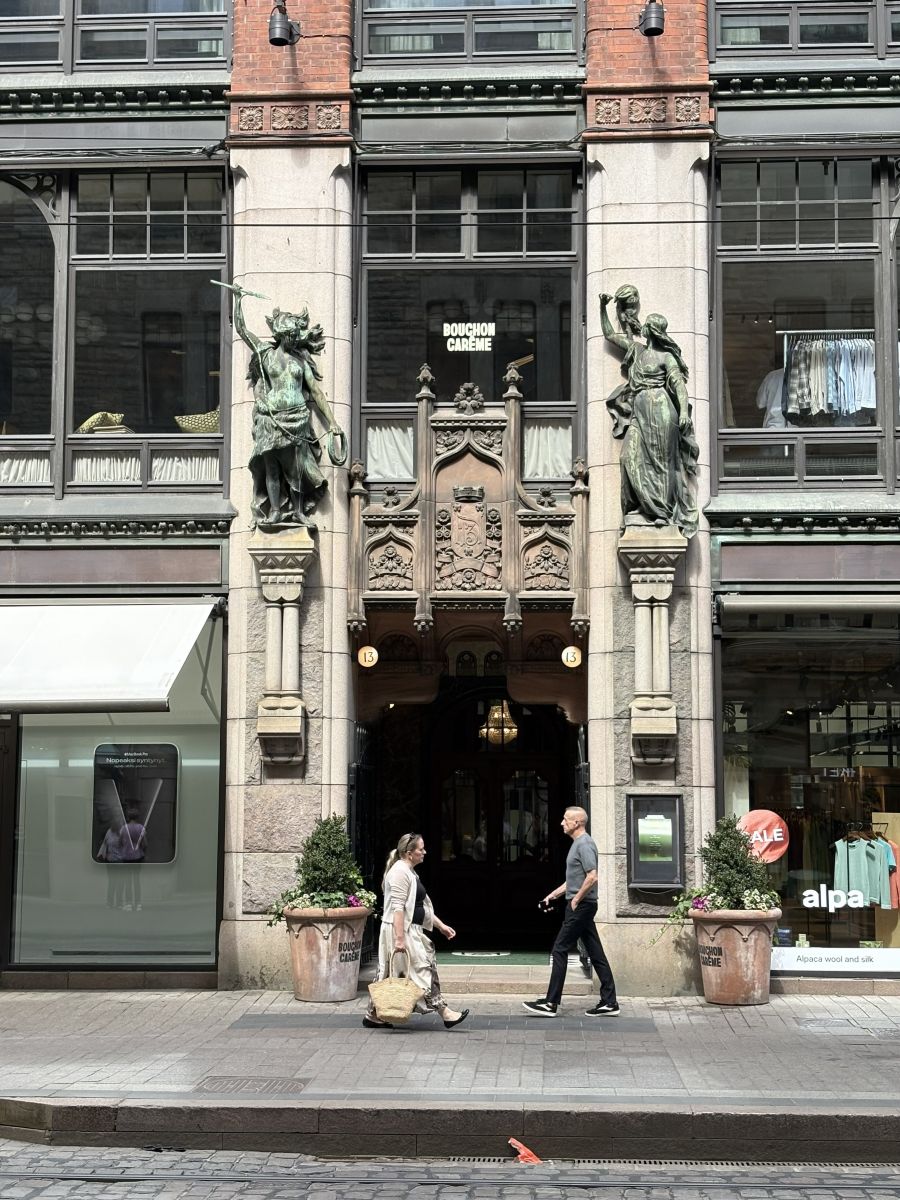
Some of these Art Nouveau buildings have a façade with curved turret style inserts, rounded corners and elaborate topped roofs. They are almost reminiscent of a small castle.
Neoclassical
Three buildings definitely cross by path that are neoclassical in style. The first and most prominent is Helsinki Cathedral followed by the National Library right across the street. The third is just down the street and is the House of the Estates. With its elaborate façade and huge columns, it makes an impact on first sight.
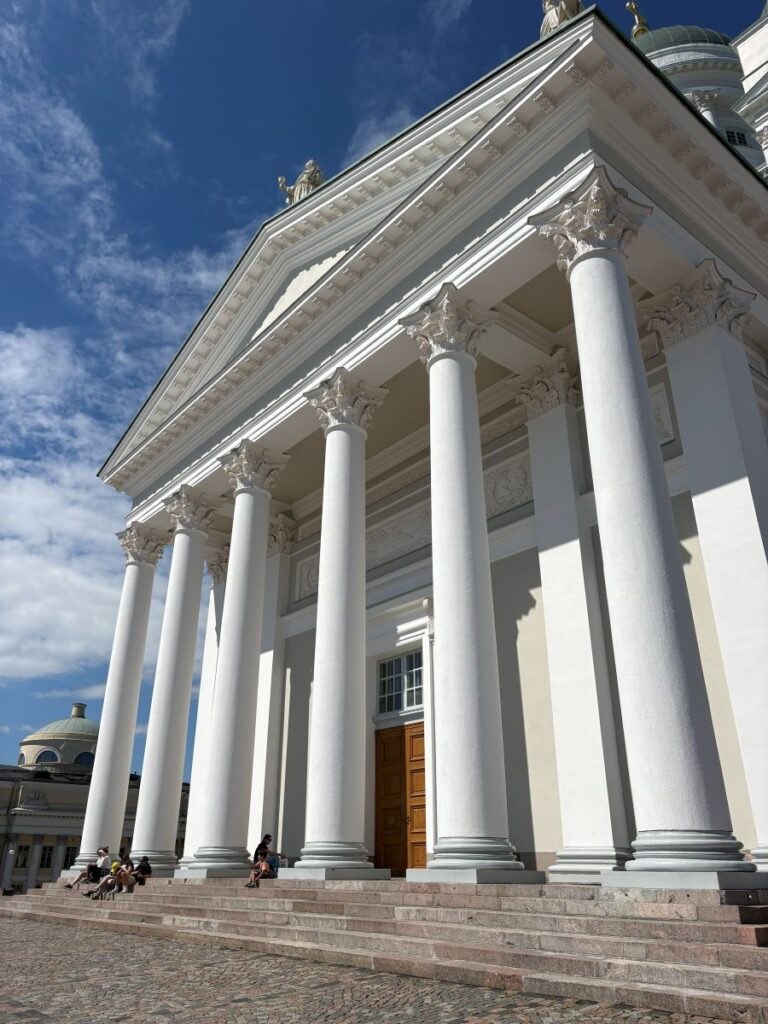
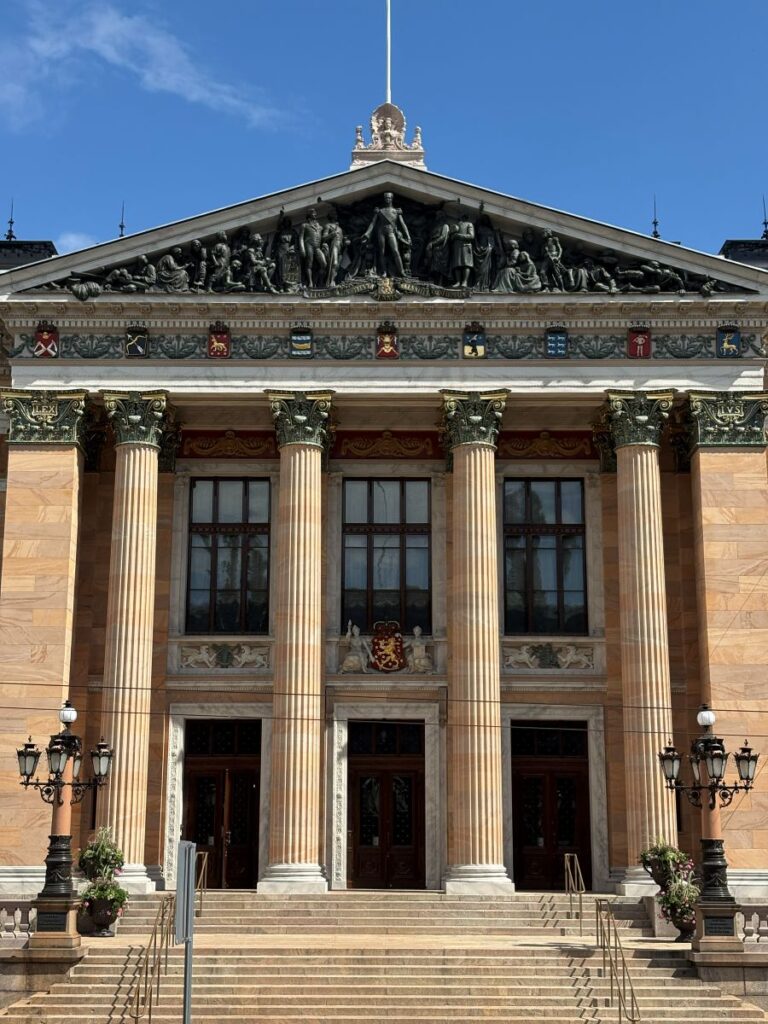
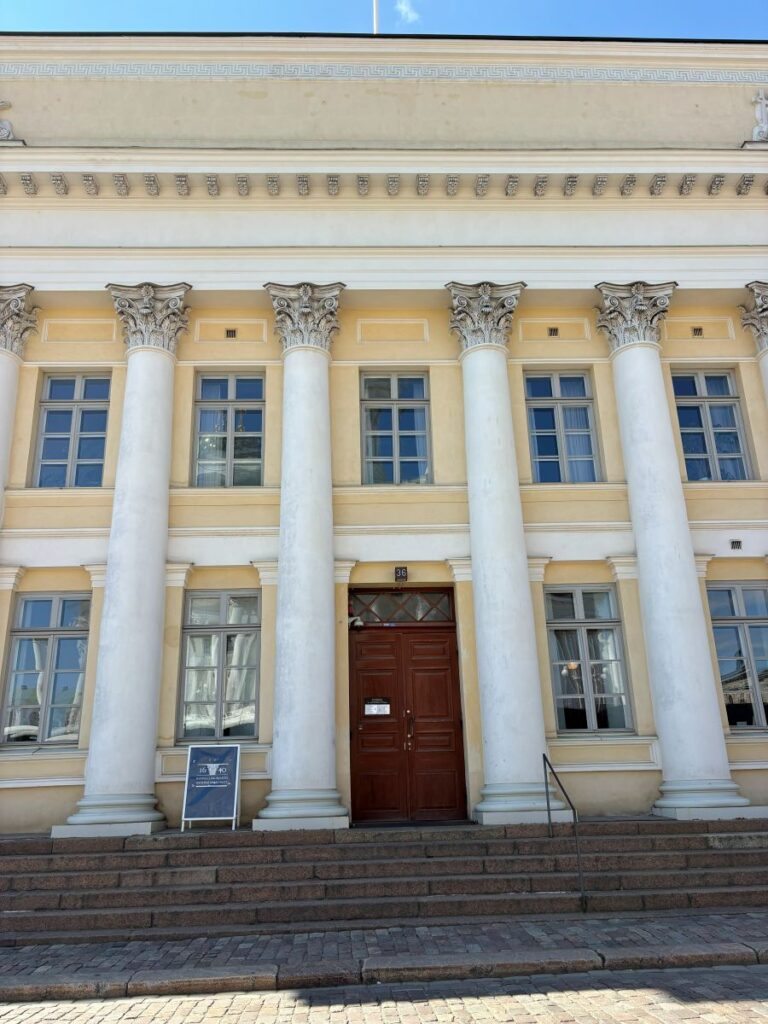
Brickwork
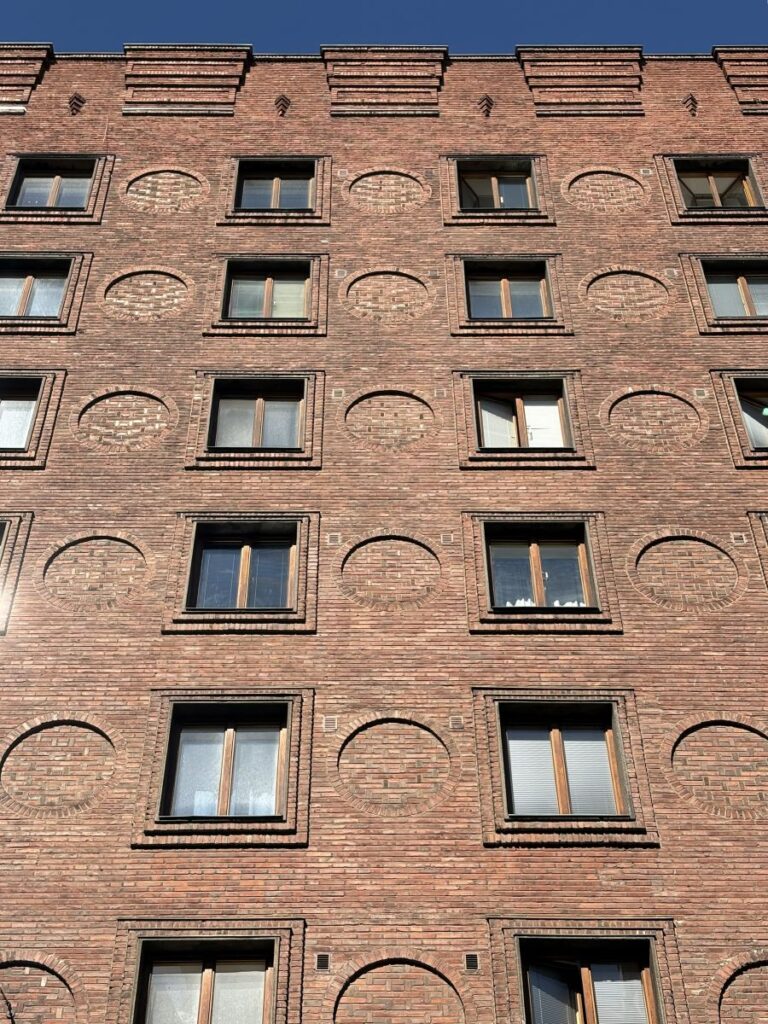
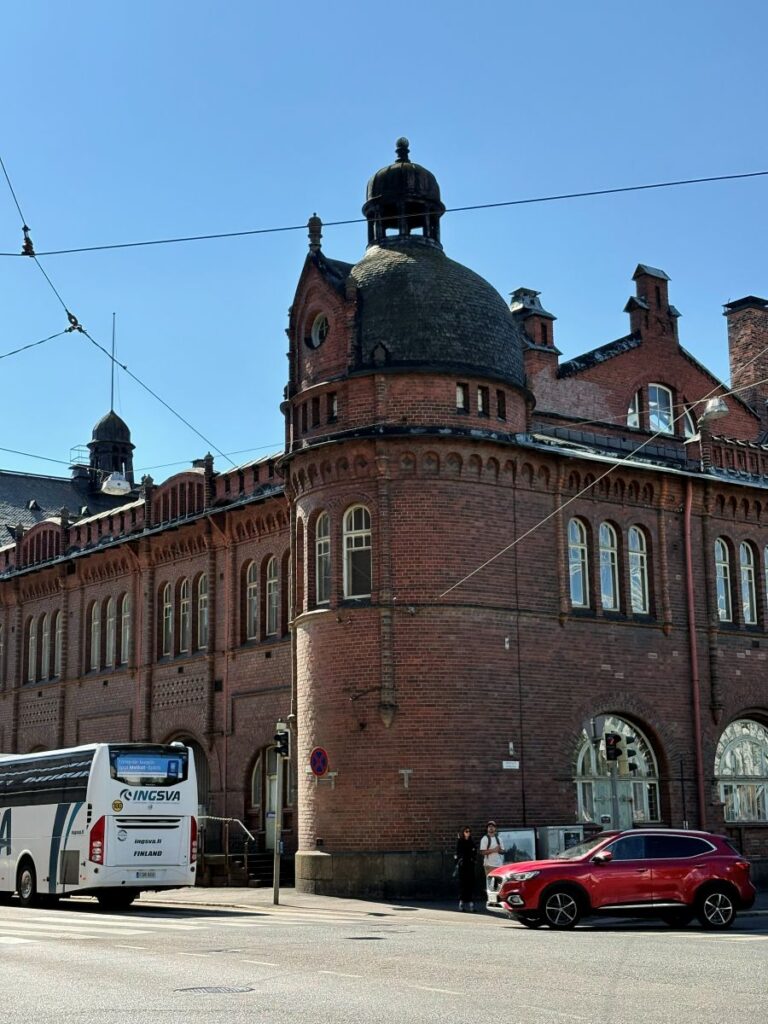
One feature that took me by surprise is the number of buildings constructed with brilliant red exposed bricks. These are huge structures too and many have a beautiful black metal roof. They are domineering and a great place to see them is down near the old port. Originally industrial buildings such as factories and manufacturing plants, today they have been transformed. Walk along the harbour and dine at any number of restaurants that inhabit the bottom floors of these beautiful old structures.
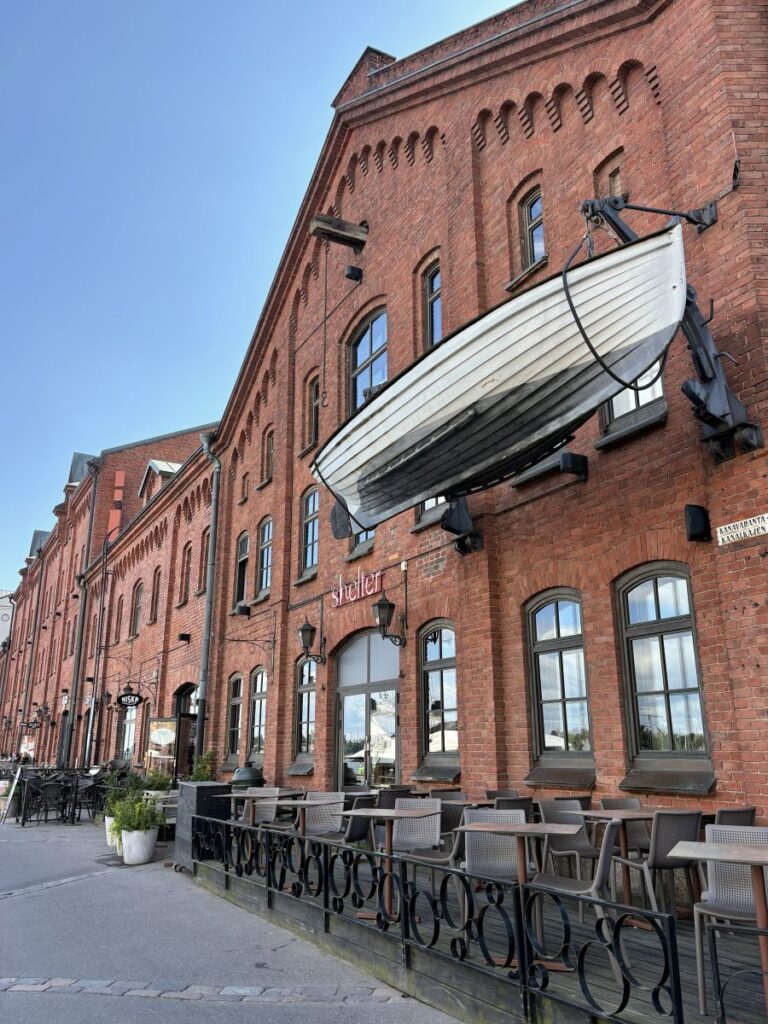
Amos Rex
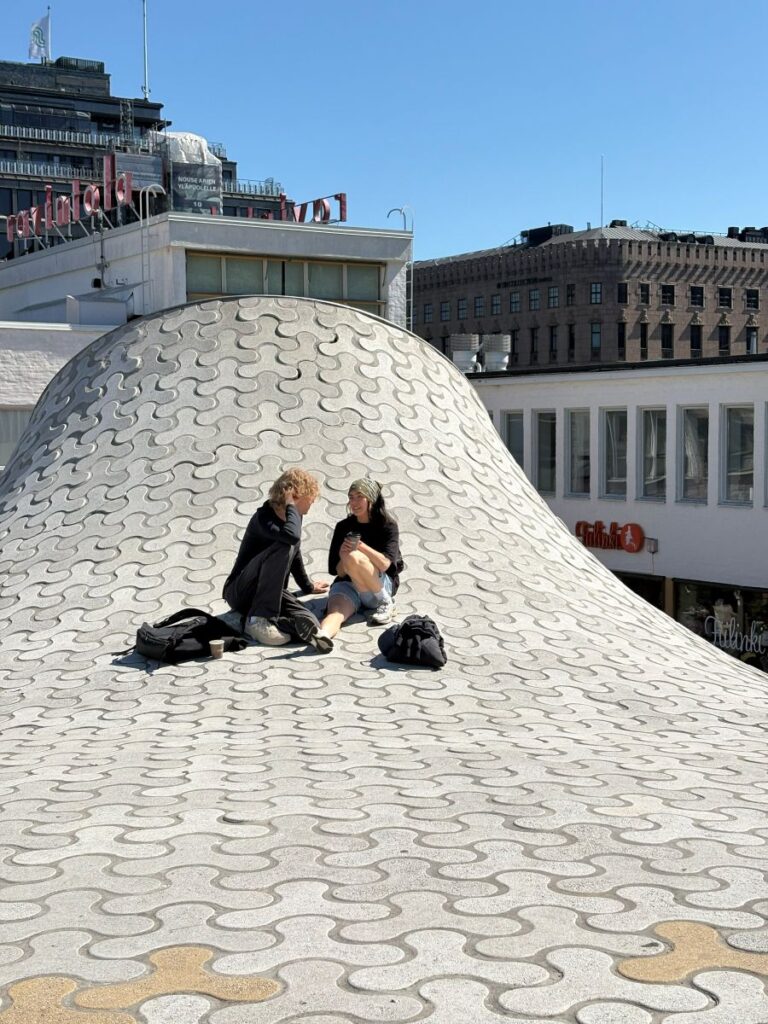
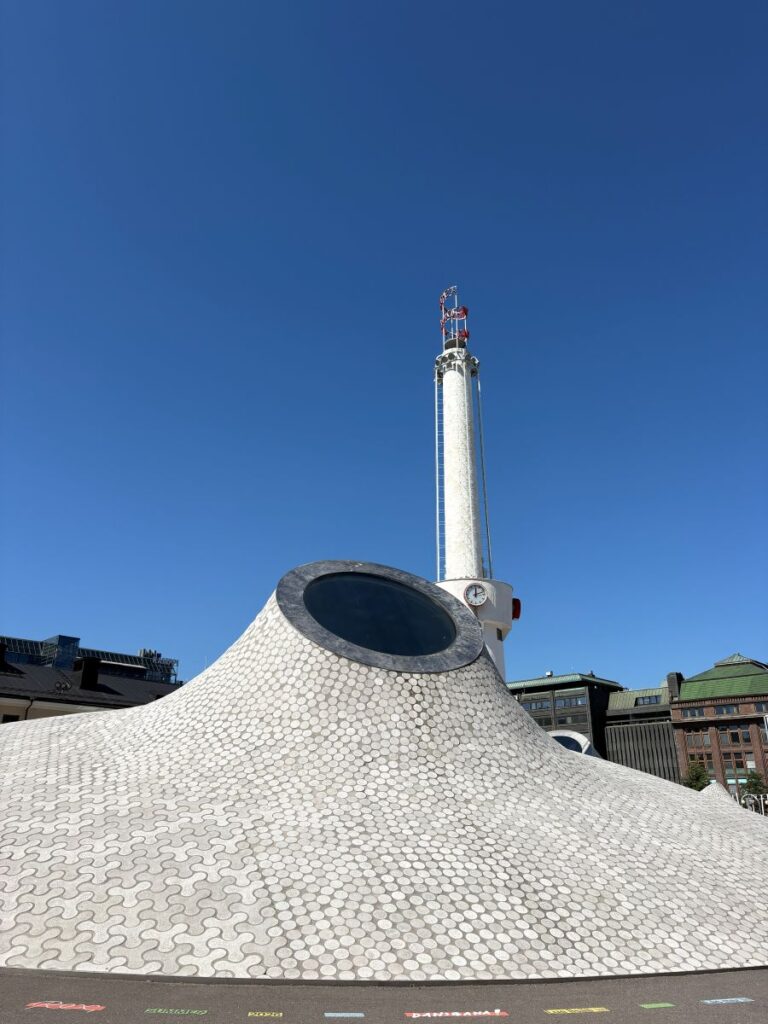
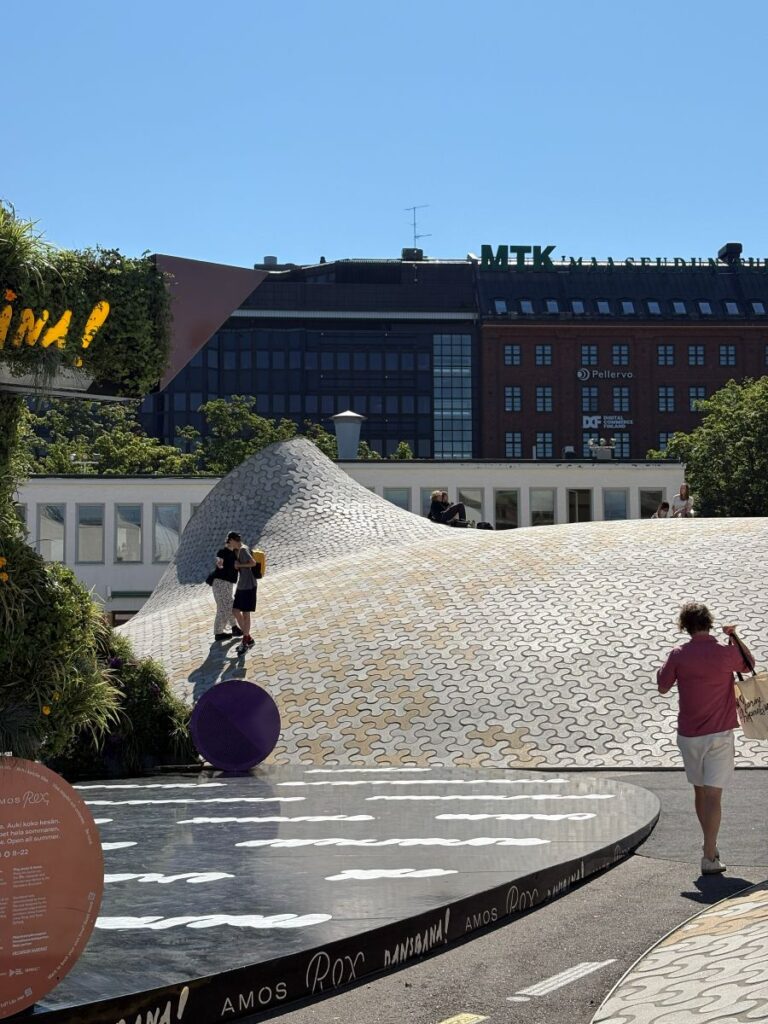
Ok let’s move forward to some more modern architecture and one in particular, the Amos Rex. A contemporary art museum named after the publisher Amos Anderson opened its doors in 2018. The roof seems to bubble up from the ground with openings that spew light in the dark evening sky. Visitors are able to clamour all over this external structure as it sits in a courtyard surrounded by eateries in the heart of the city.
Kamppi Chapel of Silence
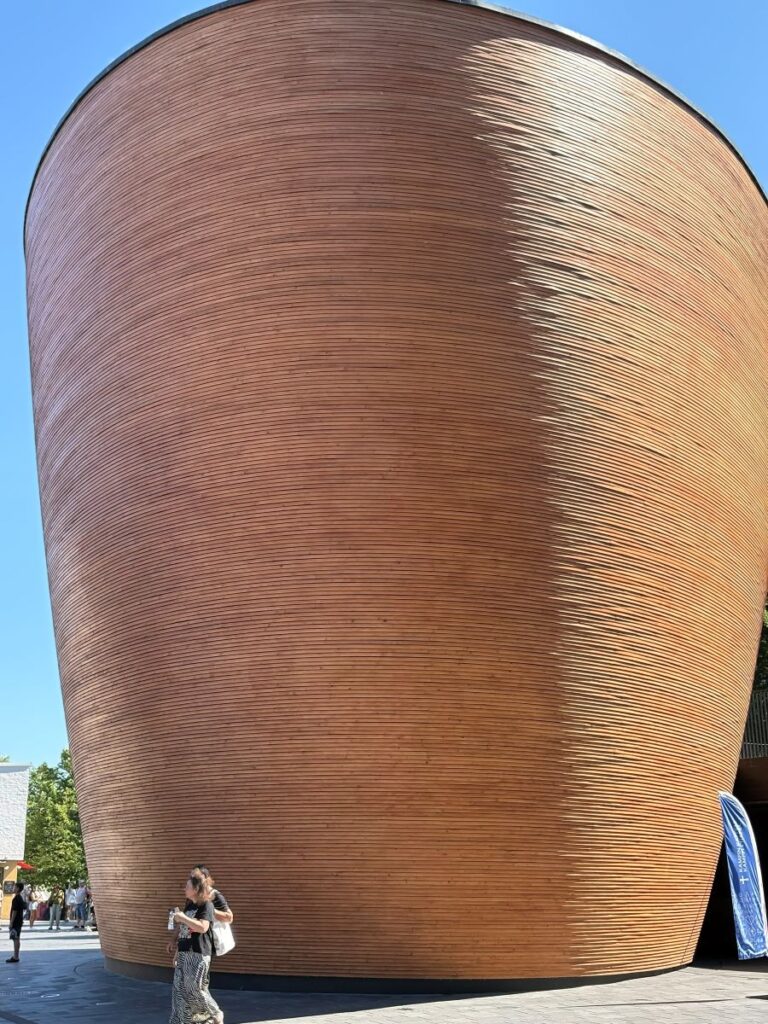
Right beside Amos Rex is this breathtaking monster, the Kamppi Chapel of Silence. It was built as a place of peace, non-denomination and everyone is welcome. In the middle of a busy city, this is a refuge of quiet, a place to feel calm. Standing at 11.5 metres tall it is made of three domestic tree varieties, spruce, alder and ash. It is simply stunning.
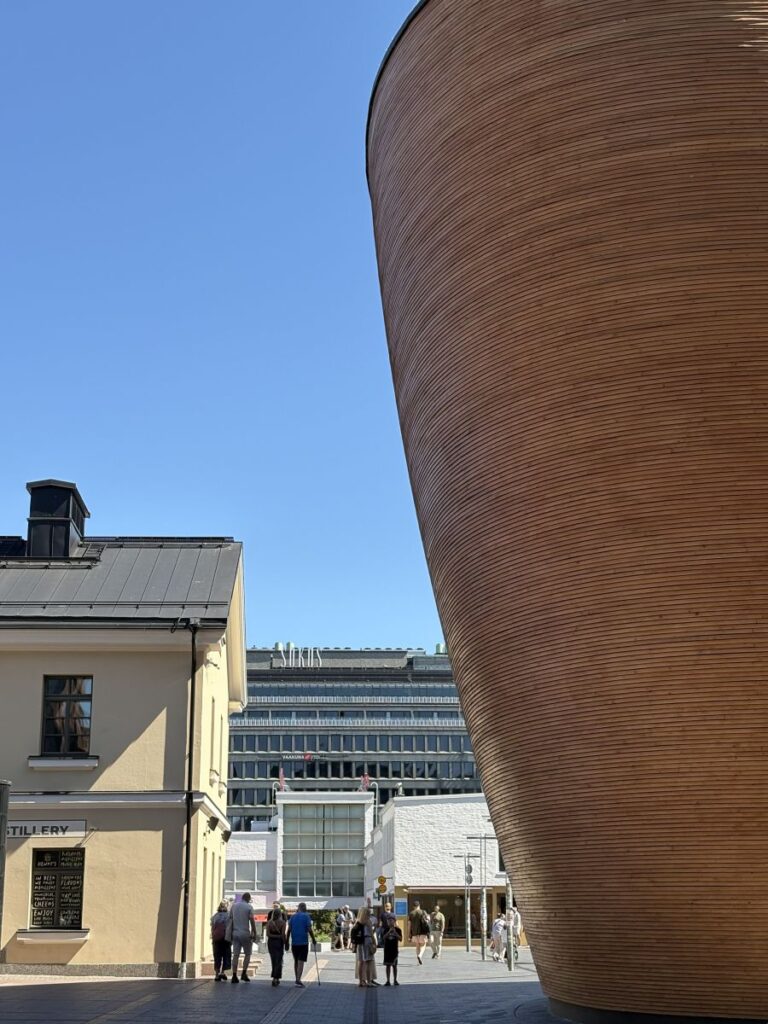
If this gives you a taste of Helsinki then I have succeeded. The city is full of architectural styles, creative design and imagination. Trying to think back on any other cities that have displayed this much variety within their core and I come up empty. Helsinki is simply an architect’s visual dream destination.