The previous post centred around the enchanting Old Town, its architecture, streets, legends and features. This one will cover a more militaristic view of its fortifications, stunning stone gates and secrets that lie within. The medieval Tallinn towers, gates & creepy tunnels below are what form the boundaries of this UNESCO World Heritage City.
Gates
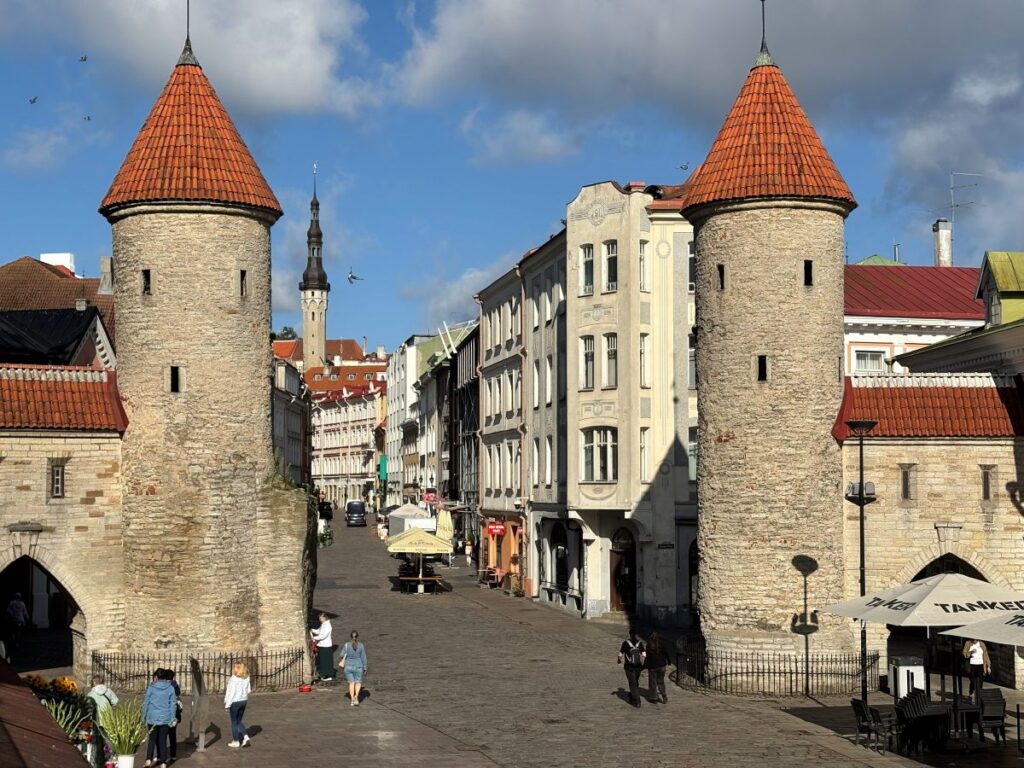
The first defensive walls were constructed in 1265 and by the 14th century they were enlarged to what we see today. Almost complete, they are absolutely incredible to behold. Entry points into the city are through several gates and four in particular are so unique I have to show them to you dear reader. The most widely photographed is the Viru Gate which is the main entrance into Old Town. These two picturesque towers adorn each side of the largest road through the medieval city.
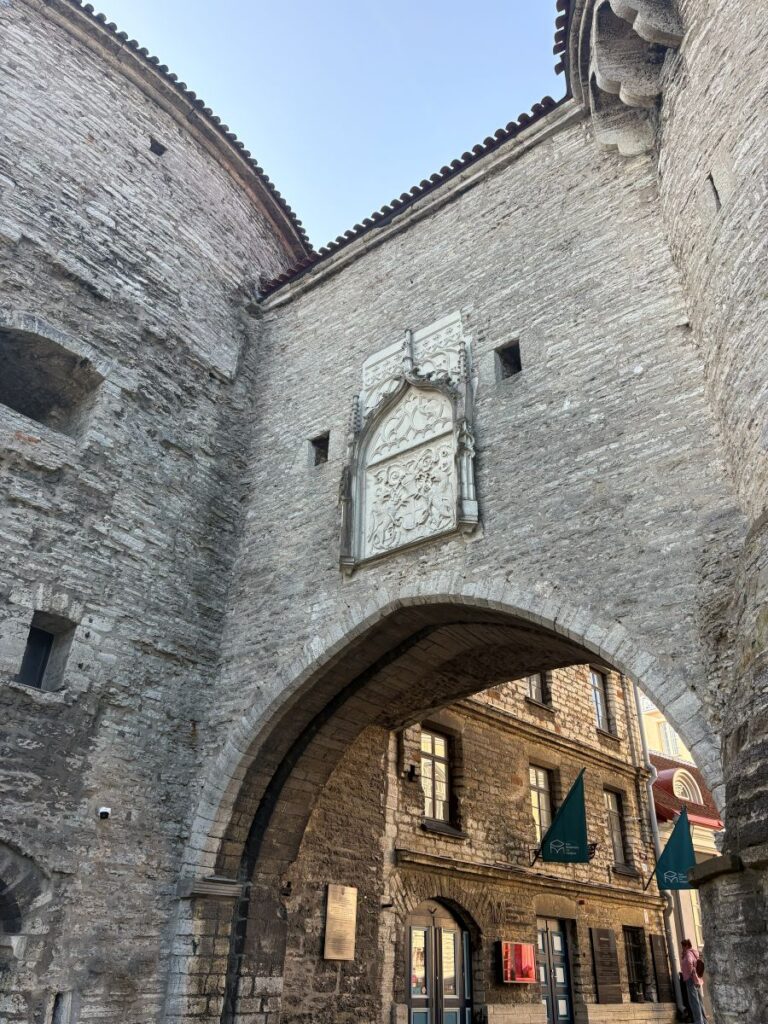
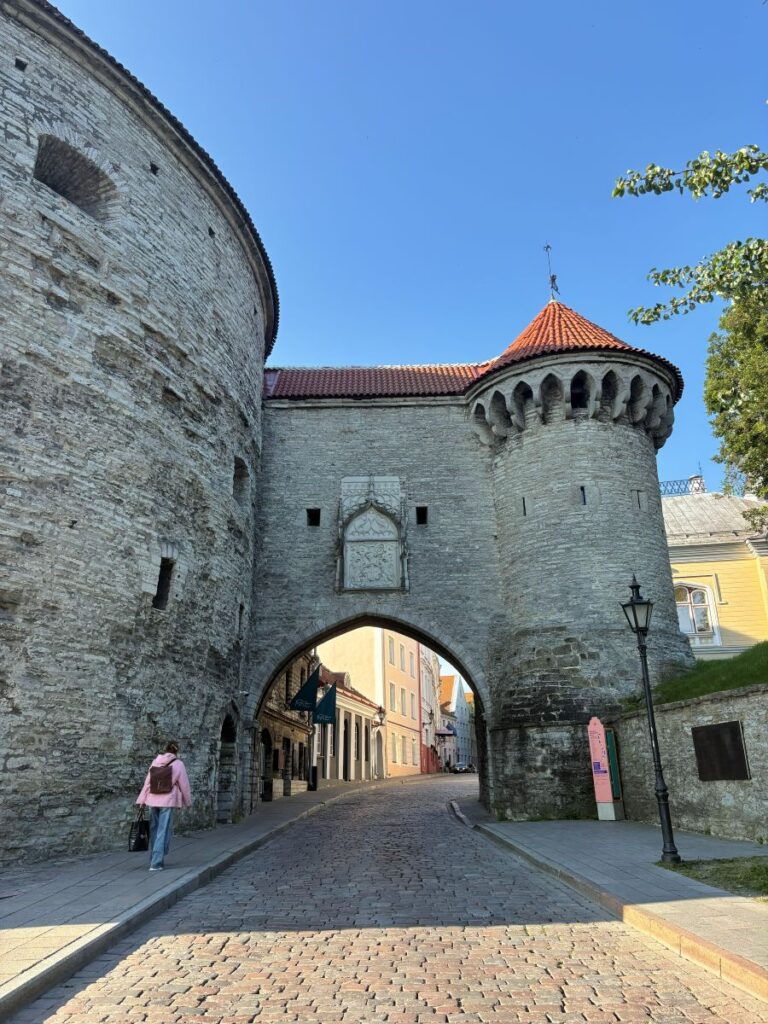
The Great Coastal Gate is an amazing one to see and as soon as I rounded those walls on the outer path, I was in awe. With its arch still intact, it forms the entrance to the city from the harbour. Adorning each side are two towers, the largest called Fat Margaret. Built in the early 1500’s, it was originally used to store gunpowder and weapons and later used as a prison.
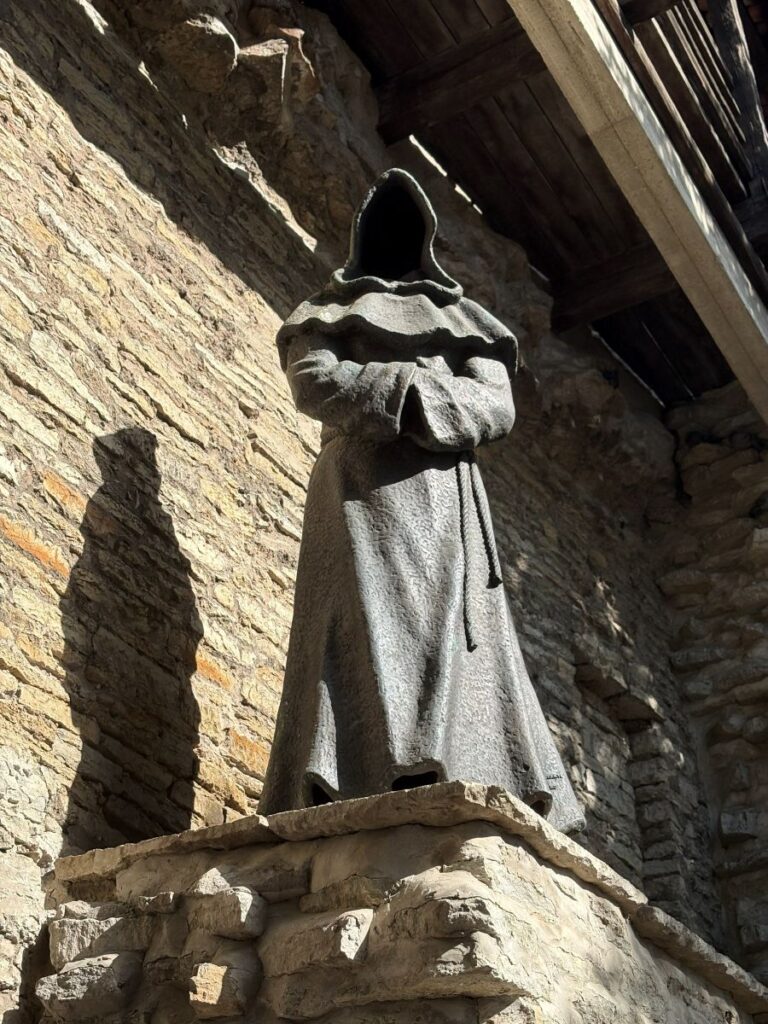
Short Leg Gate allowed pedestrians to pass from the lower portion of Old Town to the top of Toompea Hill where the castle is. It is a small opening with a truly haphazard looking tower at the top of a steep set of stairs. Just past the gate find the faceless monk statues and the haunted Danish Kings Garden. Tales and sightings of ghosts and the giant bodies of phantom monks have been reported here for centuries.
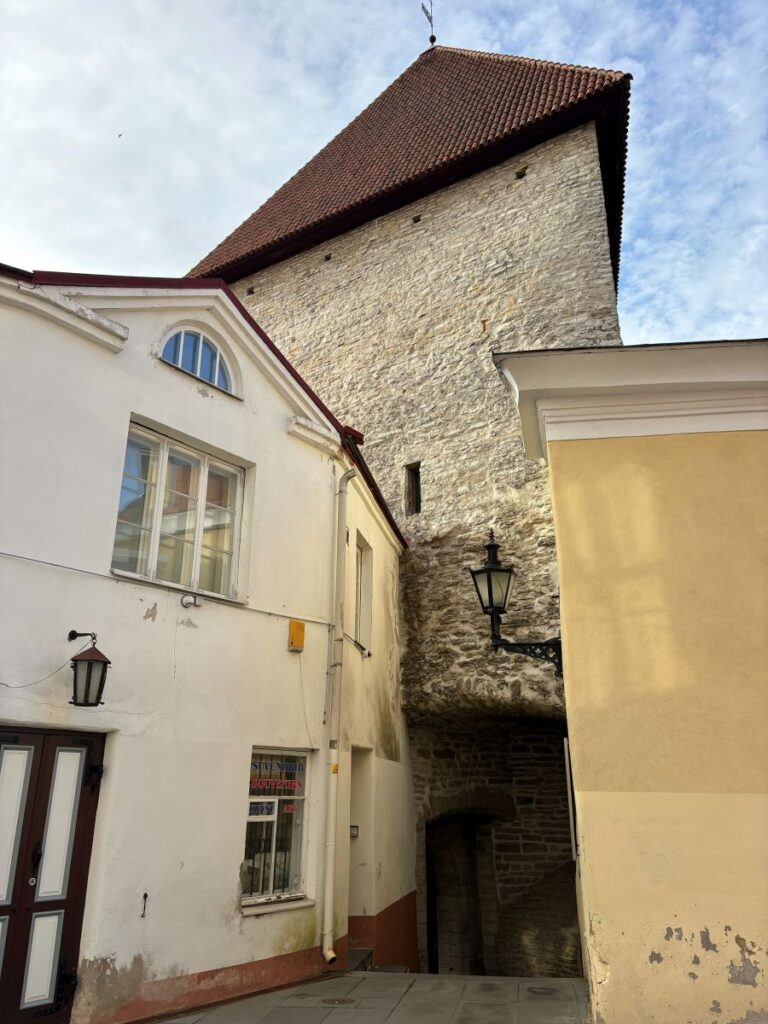
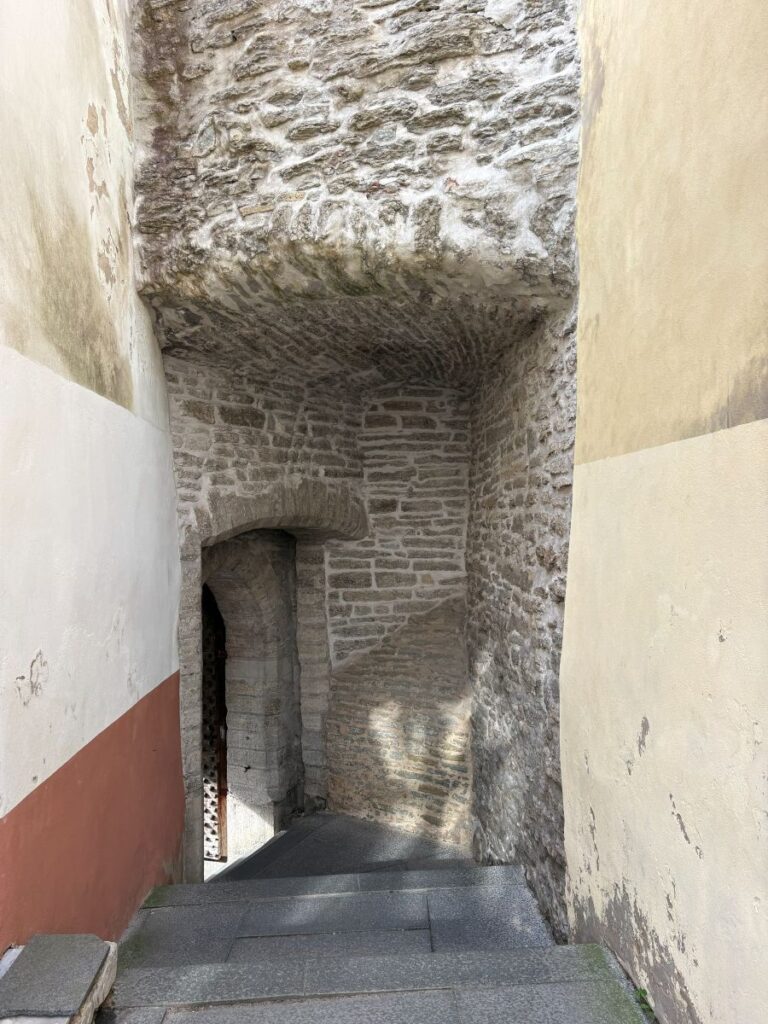
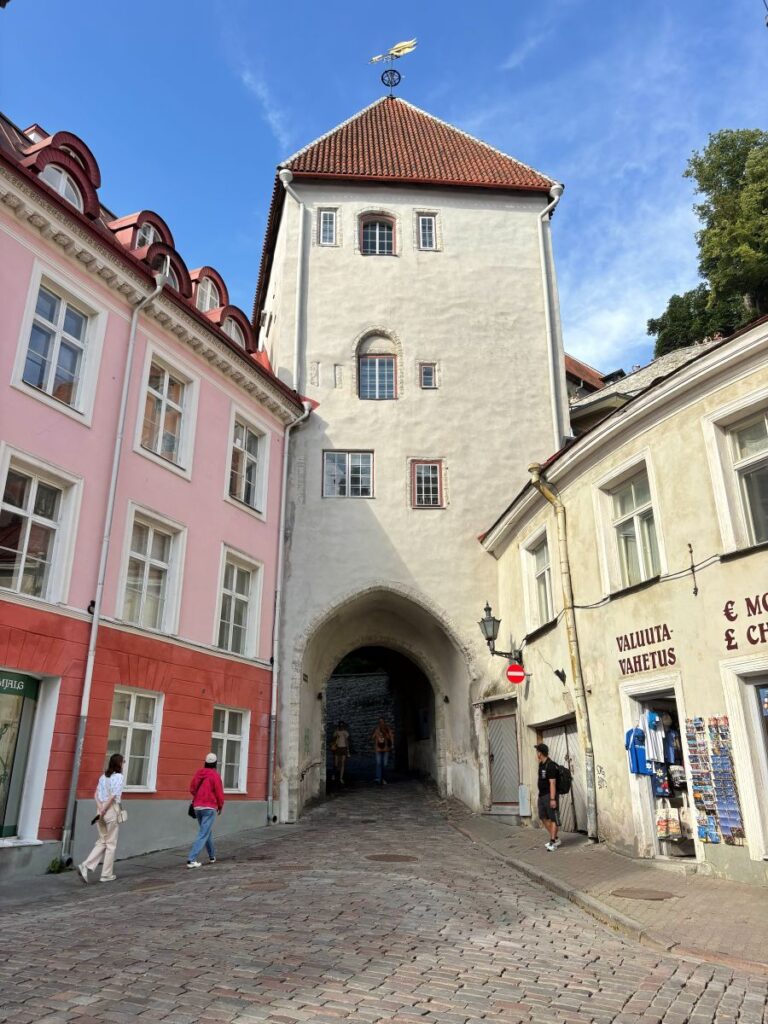
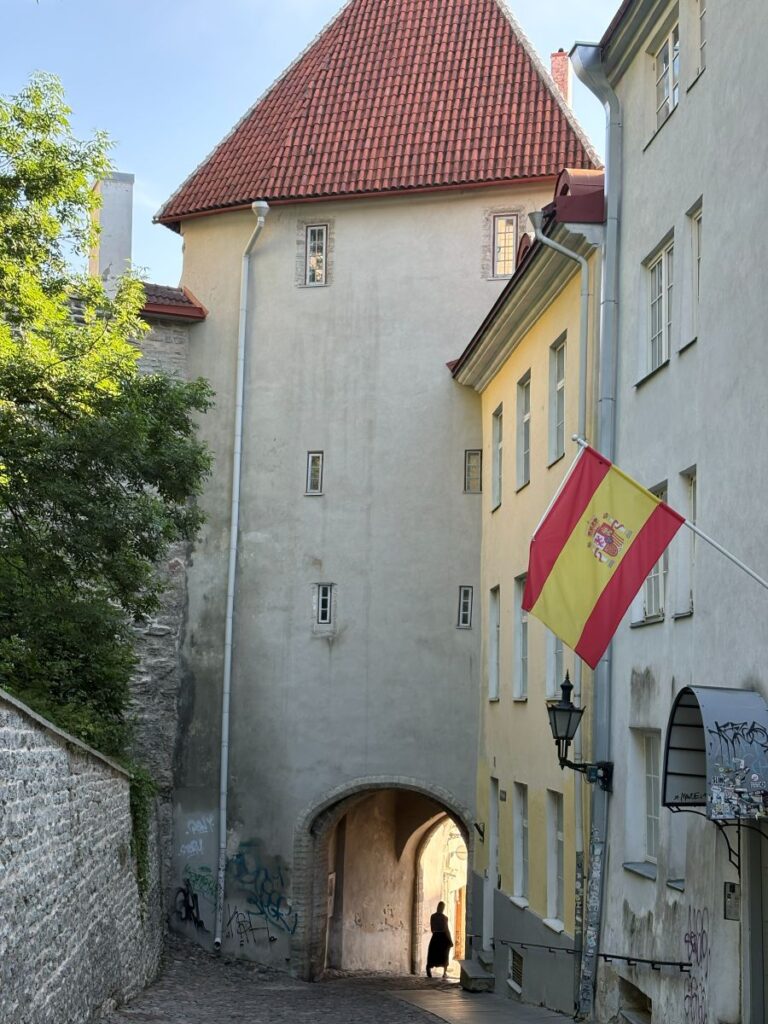
Long Leg Gate is a soaring white painted tower built for the passage of horse and carriage to reach the upper echelons of the city and castle. The steep stone road follows a wall up the hillside. The tower was a later addition, built over the gate, so watchmen could keep track of the comings and goings between the two parts of the city.
Walls
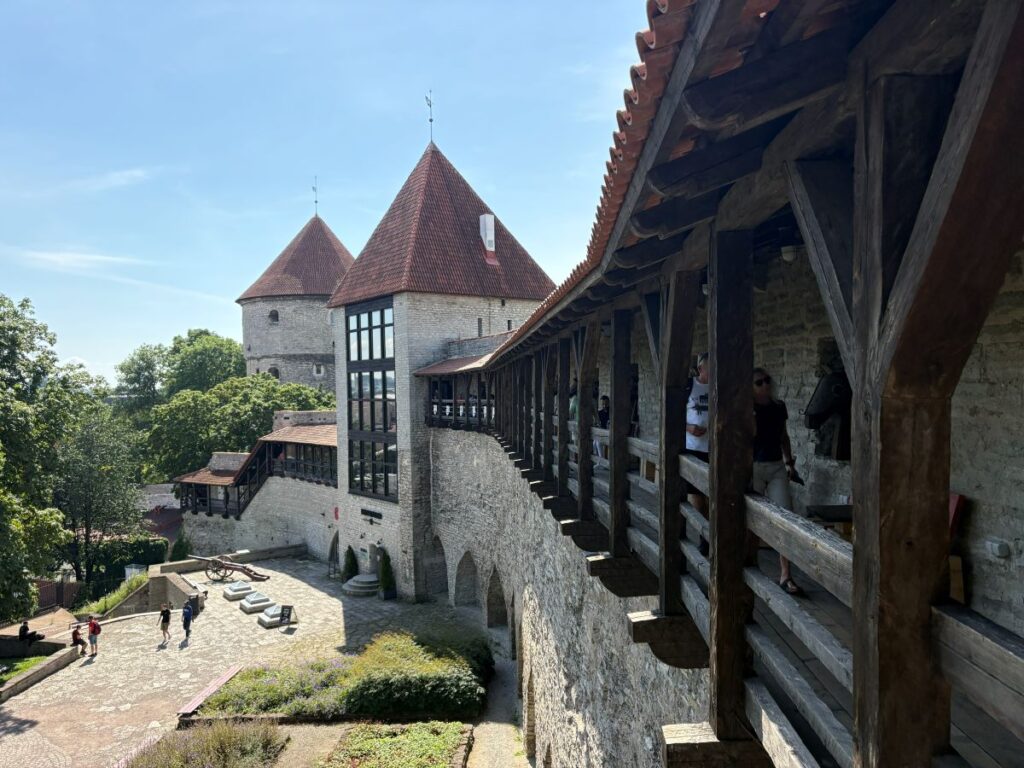
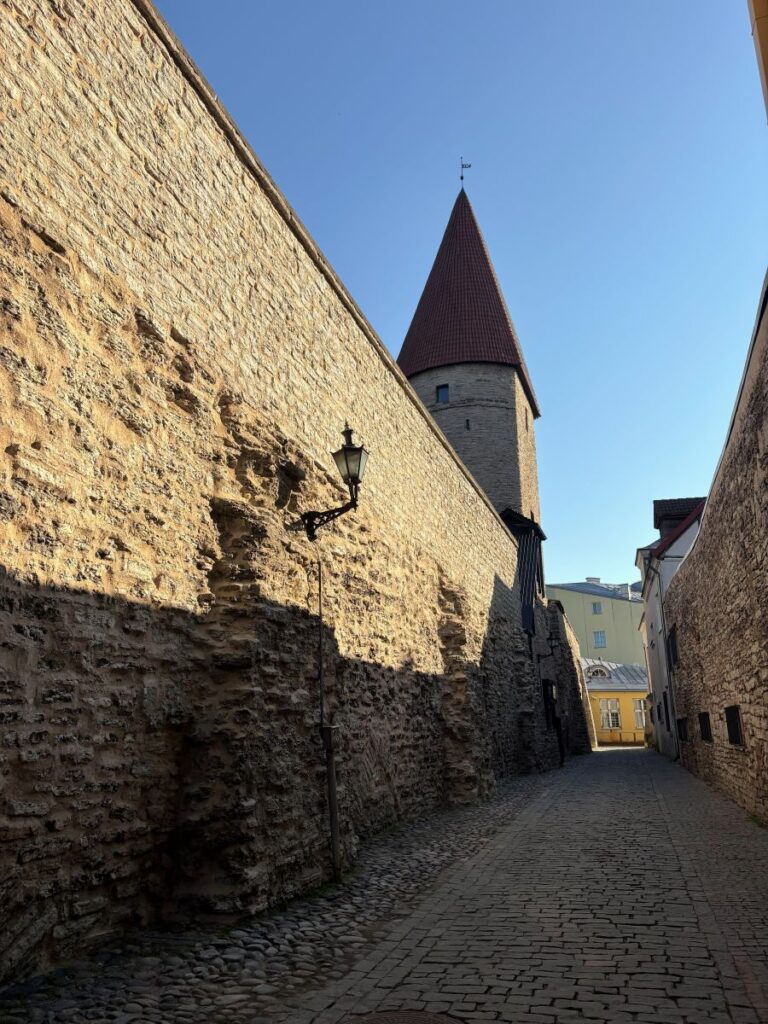
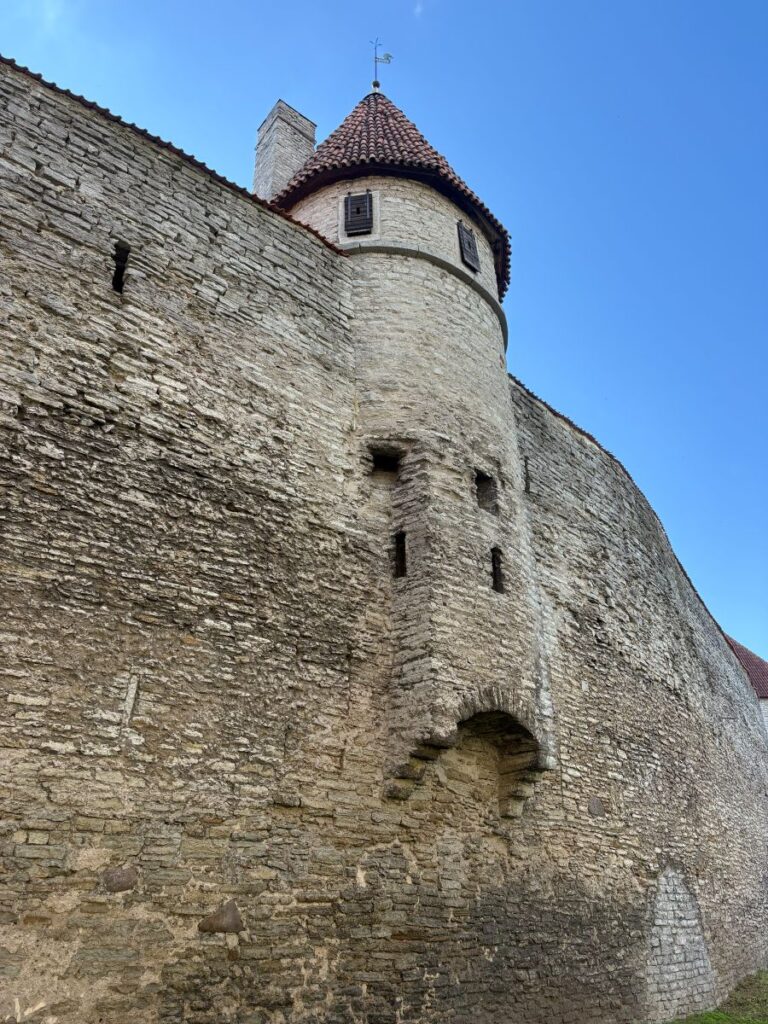
Incredibly almost two kilometers of the original four-kilometer wall is still intact. Walking the exterior one experiences an almost fairytale type of sensation. It is incredible to see these towering fortifications spanning the distance they do. These old stone walls range from 3 to 14 metres tall, depending largely on the terrain, and up to 1.5 metres thick. Certain portions are open for visitors to climb and walk the length of which offers a magnificent view of the lower old town.
Towers
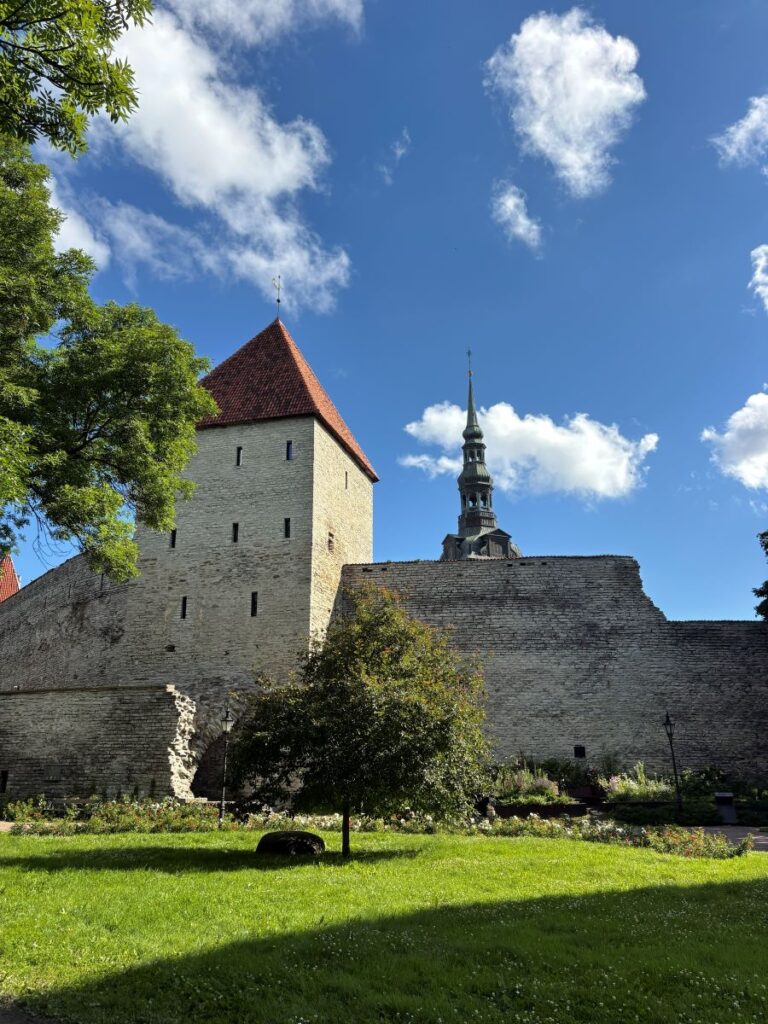
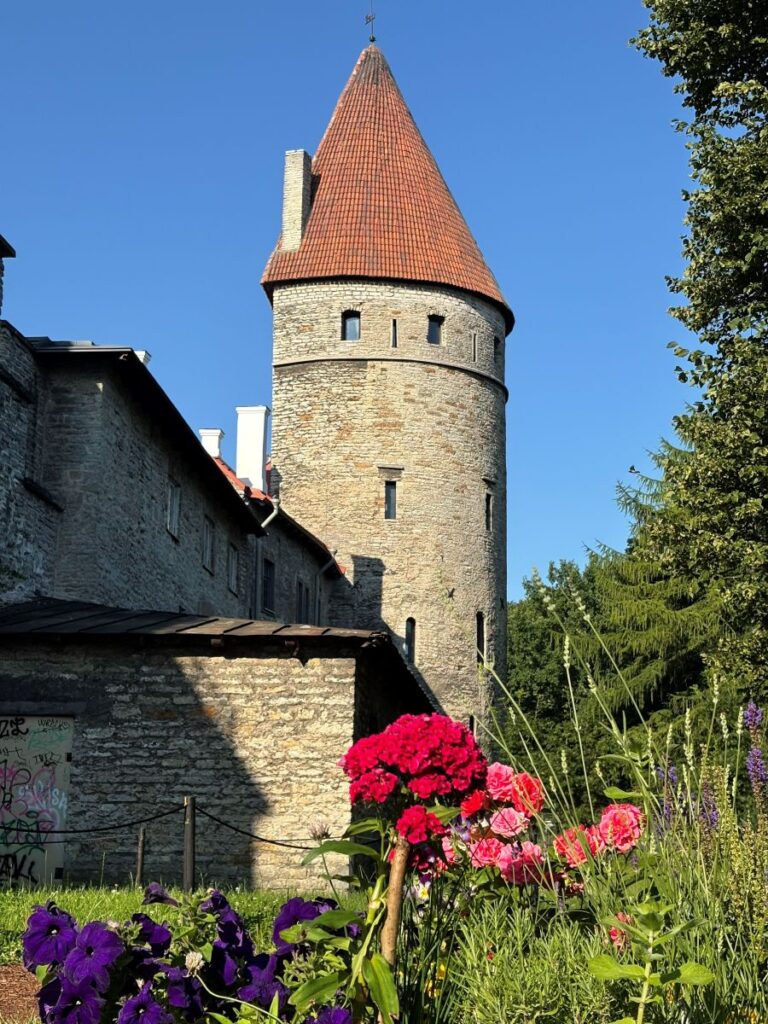
There are more than 20 of the original 46 medieval towers intact, that alone is extraordinary. They each have their own unique personalities, names, uses and quirks. Included are towers such as the Nuns, Sauna, Golden Leg, Rope Hill, Plate, Epping, Stable, Maidens and more. Many are open to the public and I’ll show you some of these now.
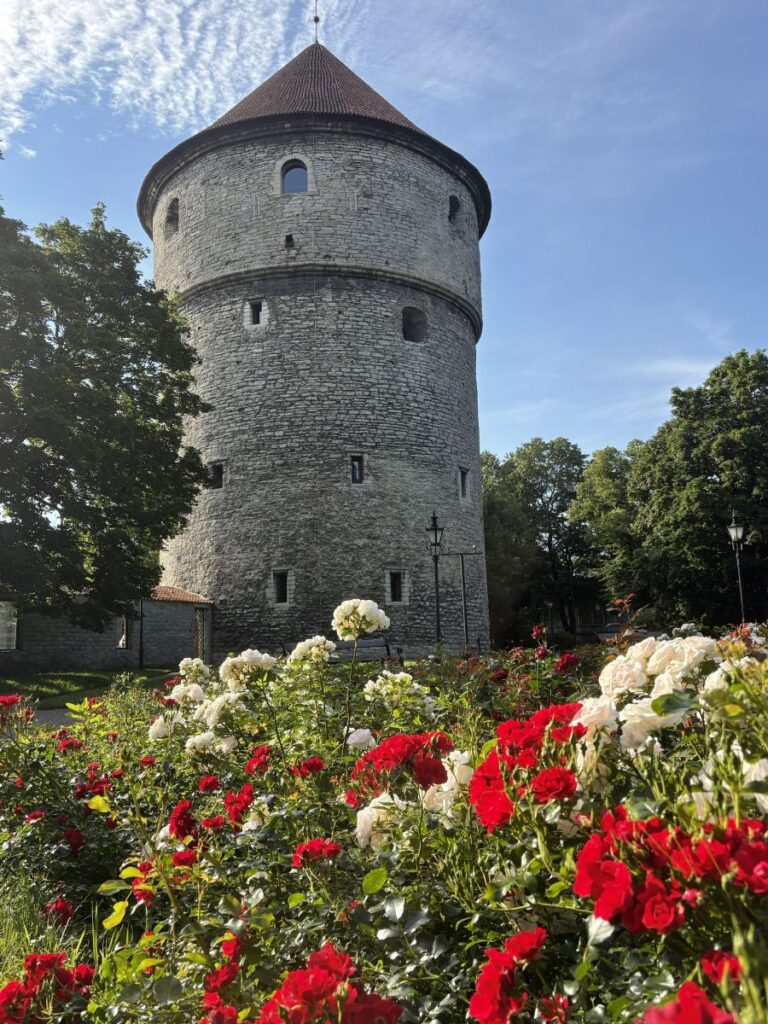
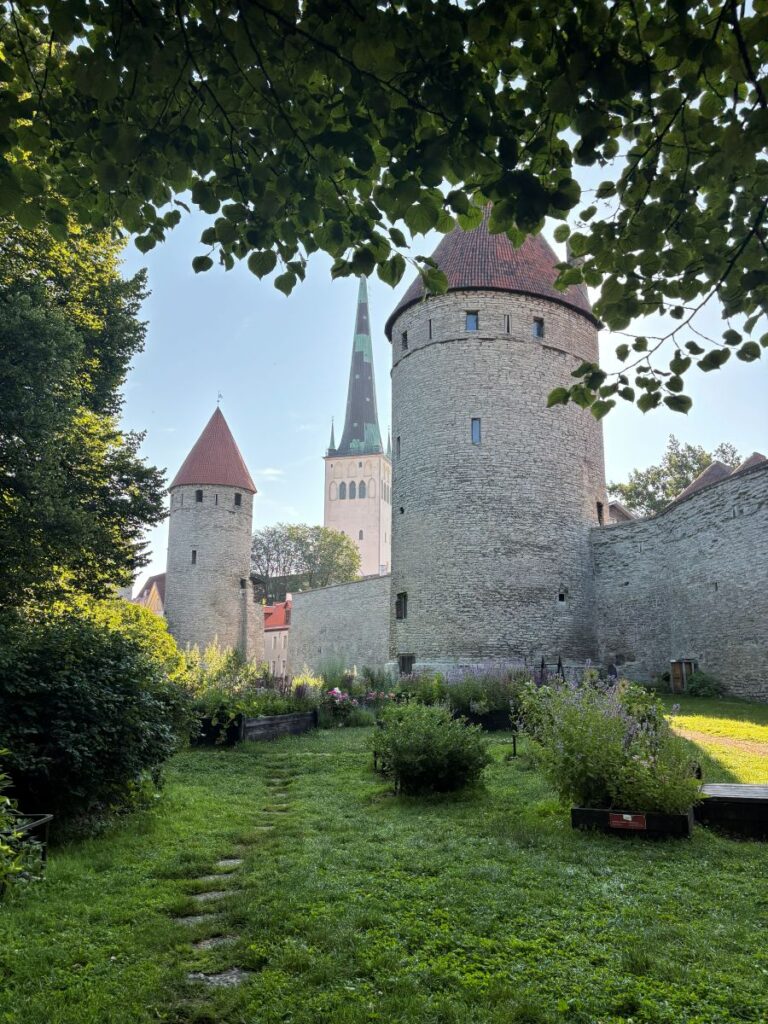
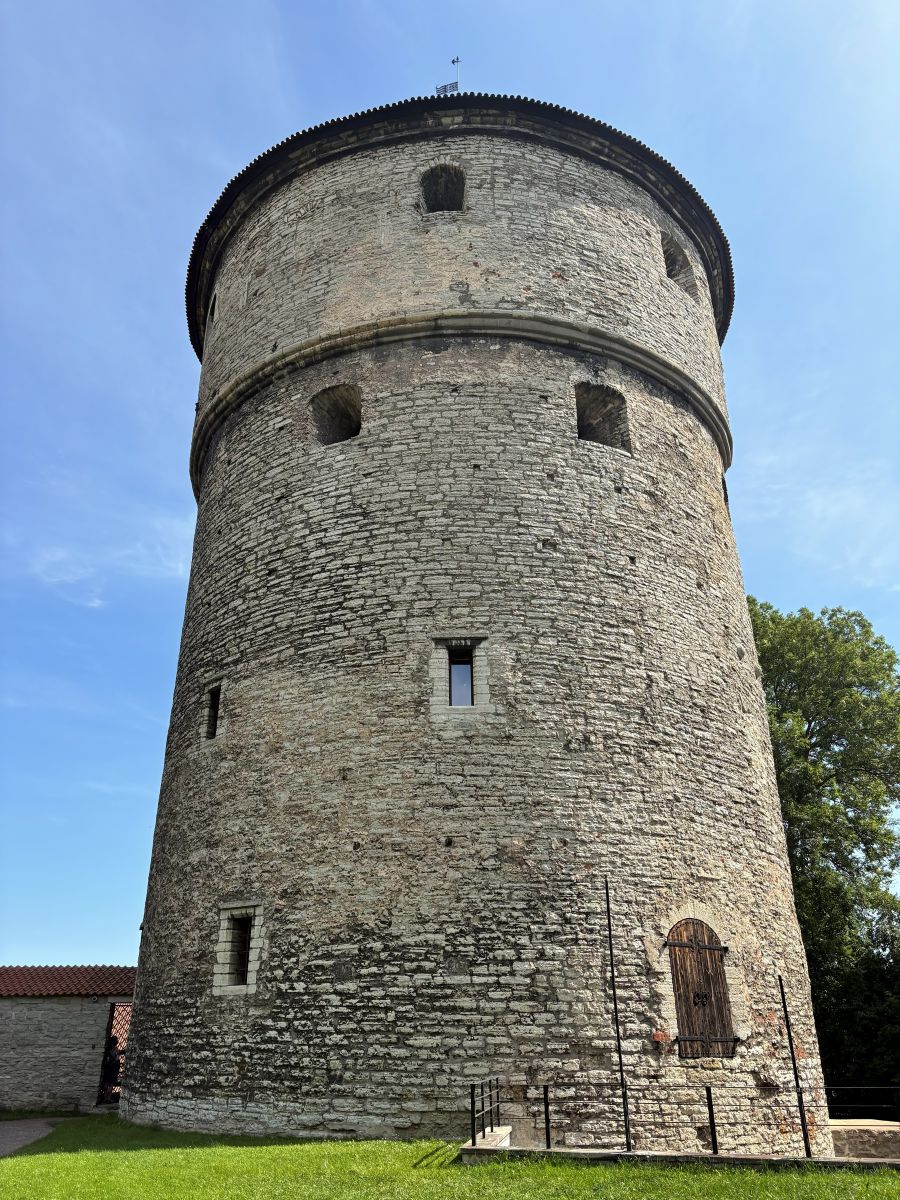
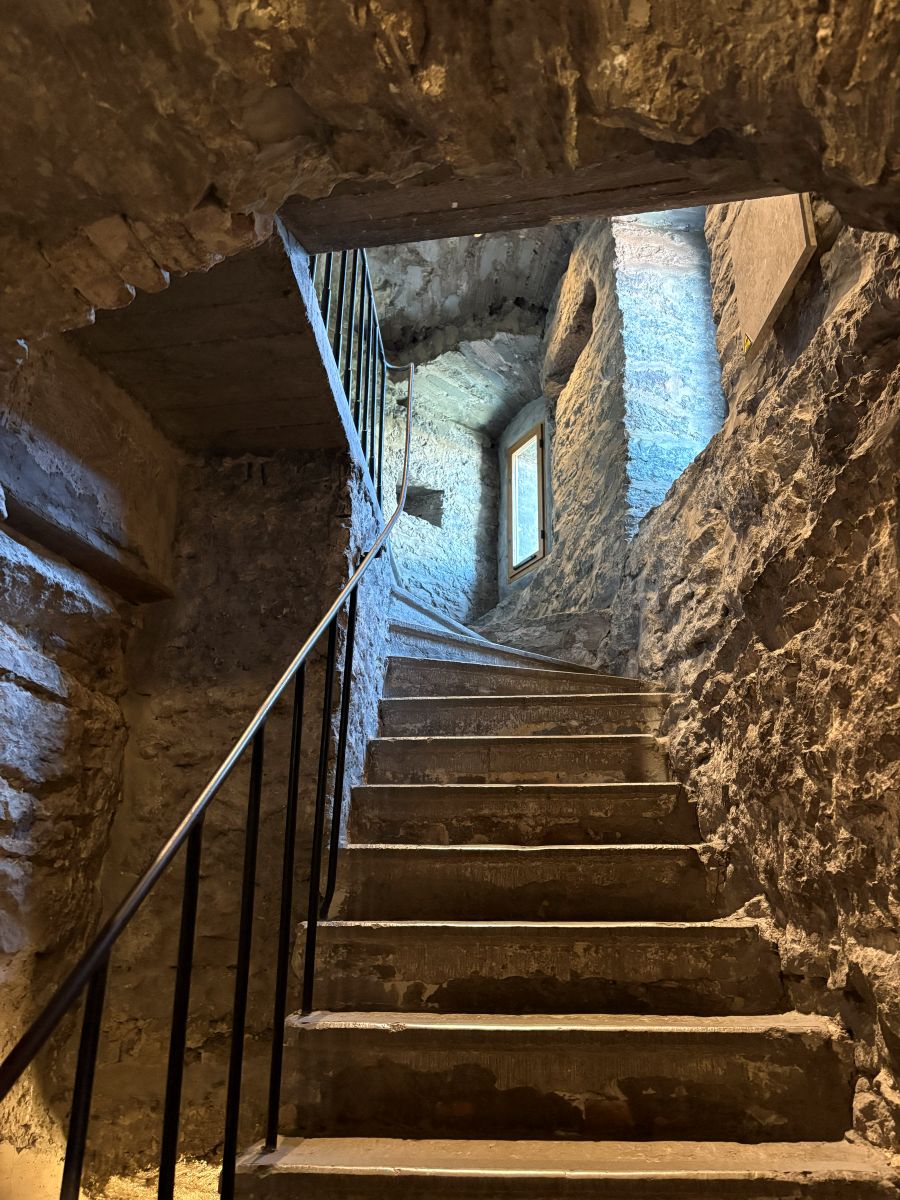
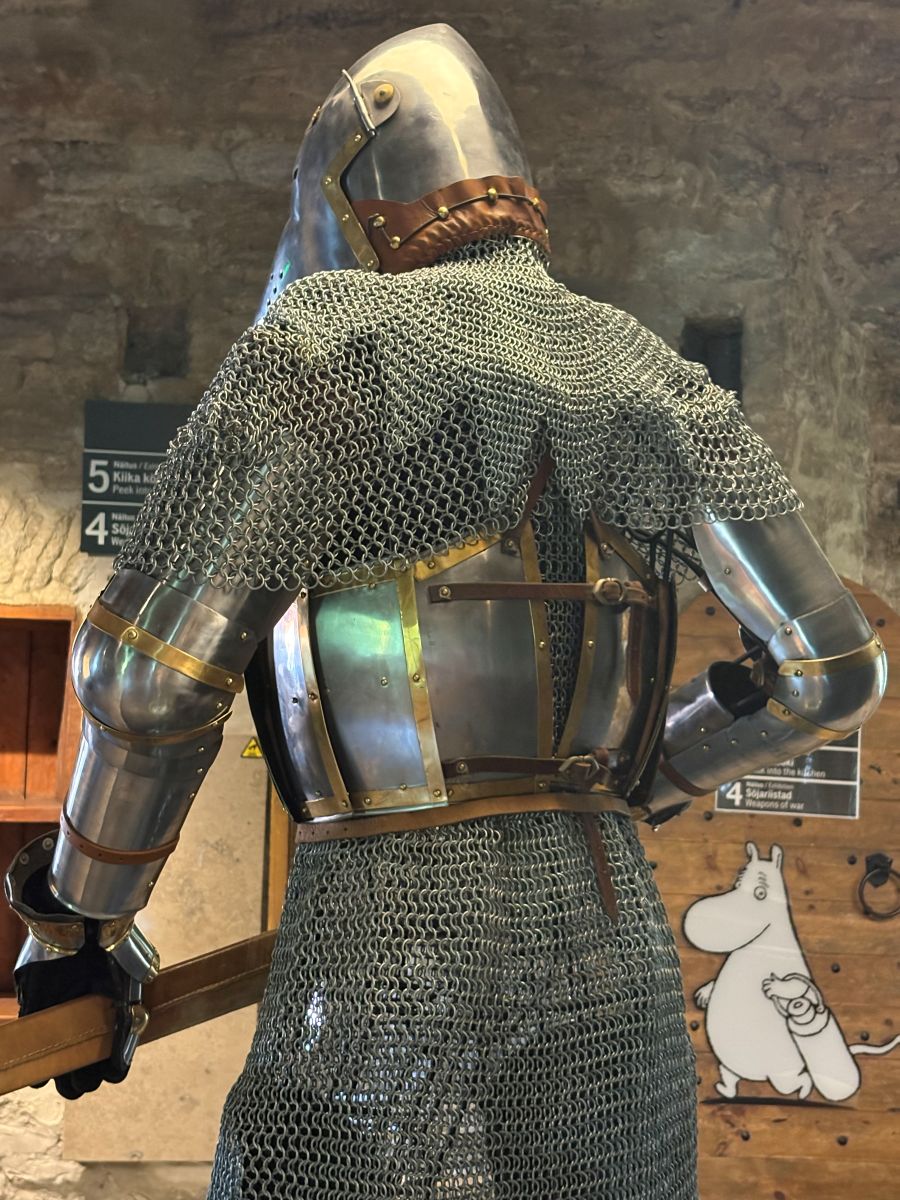
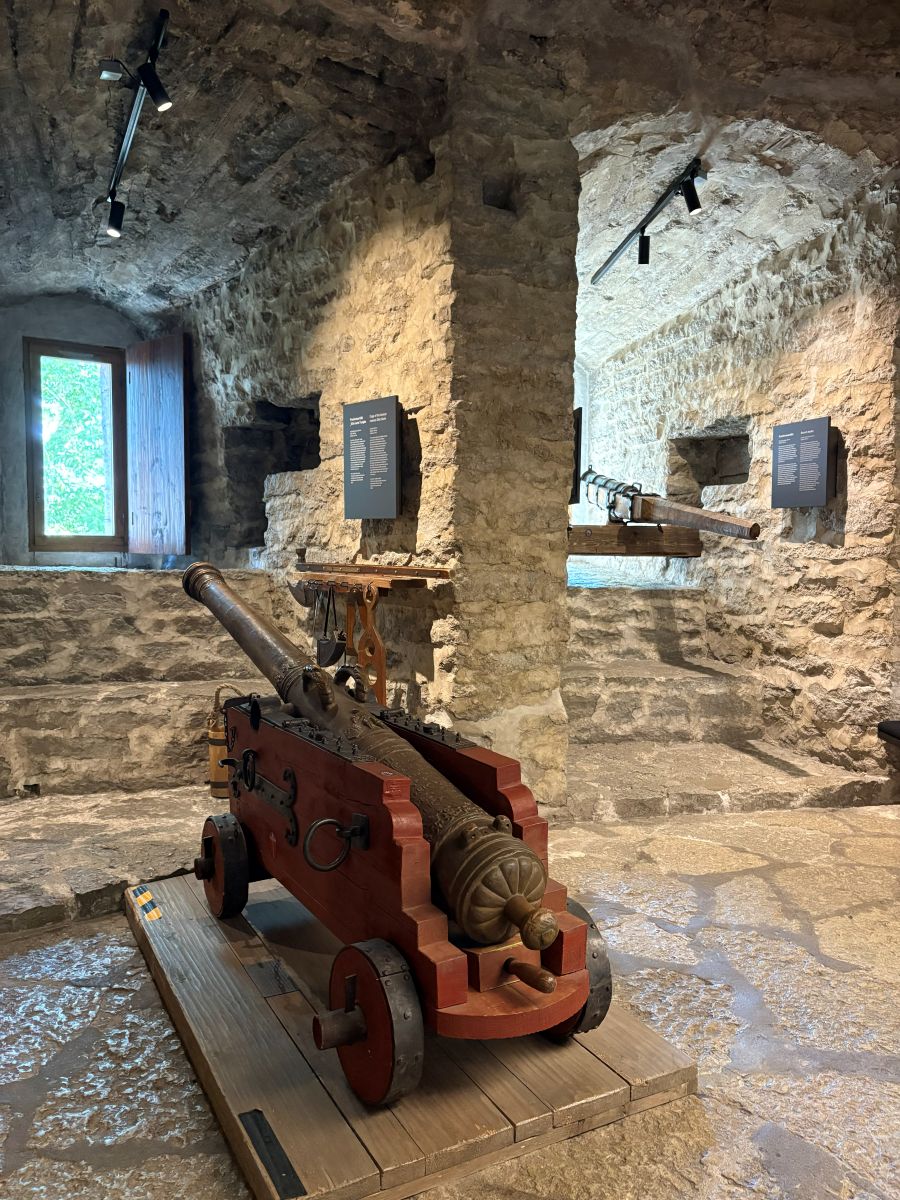
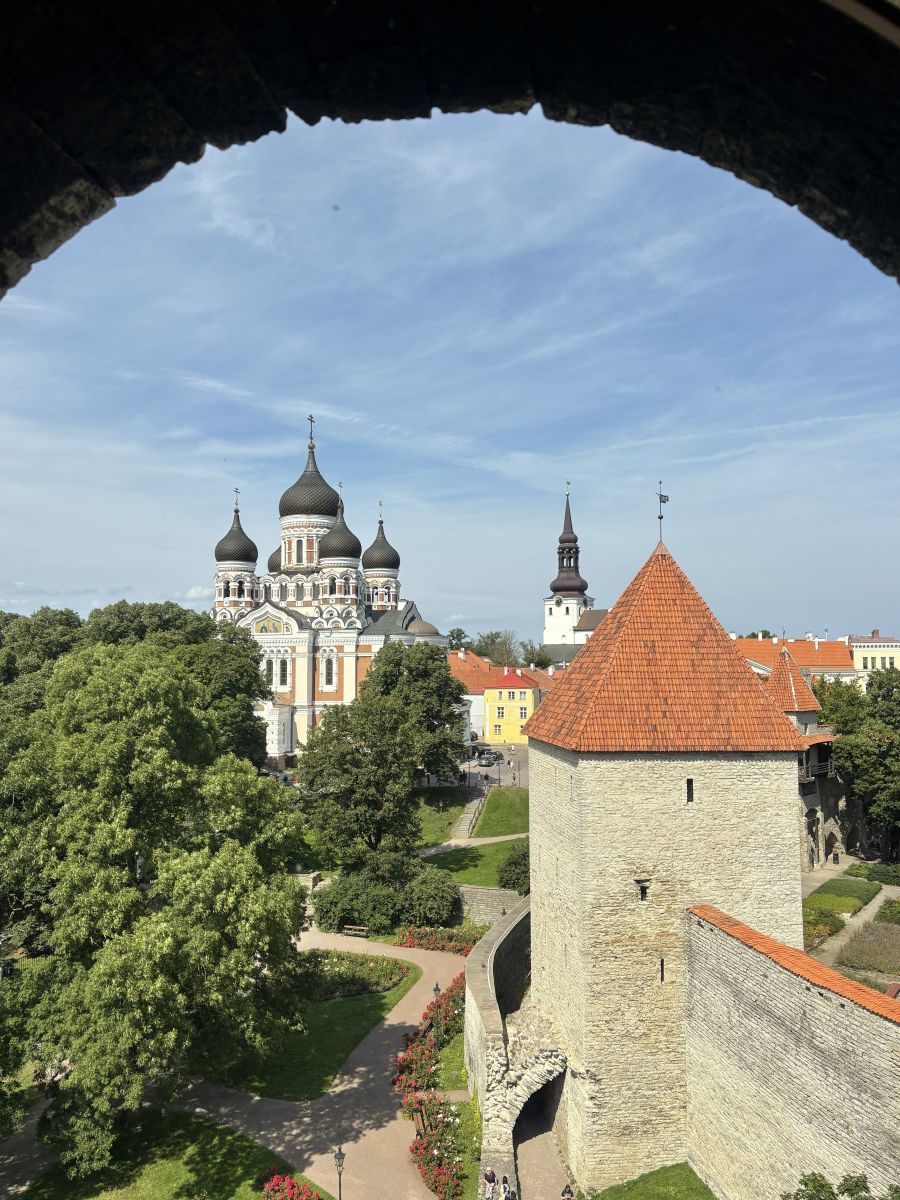
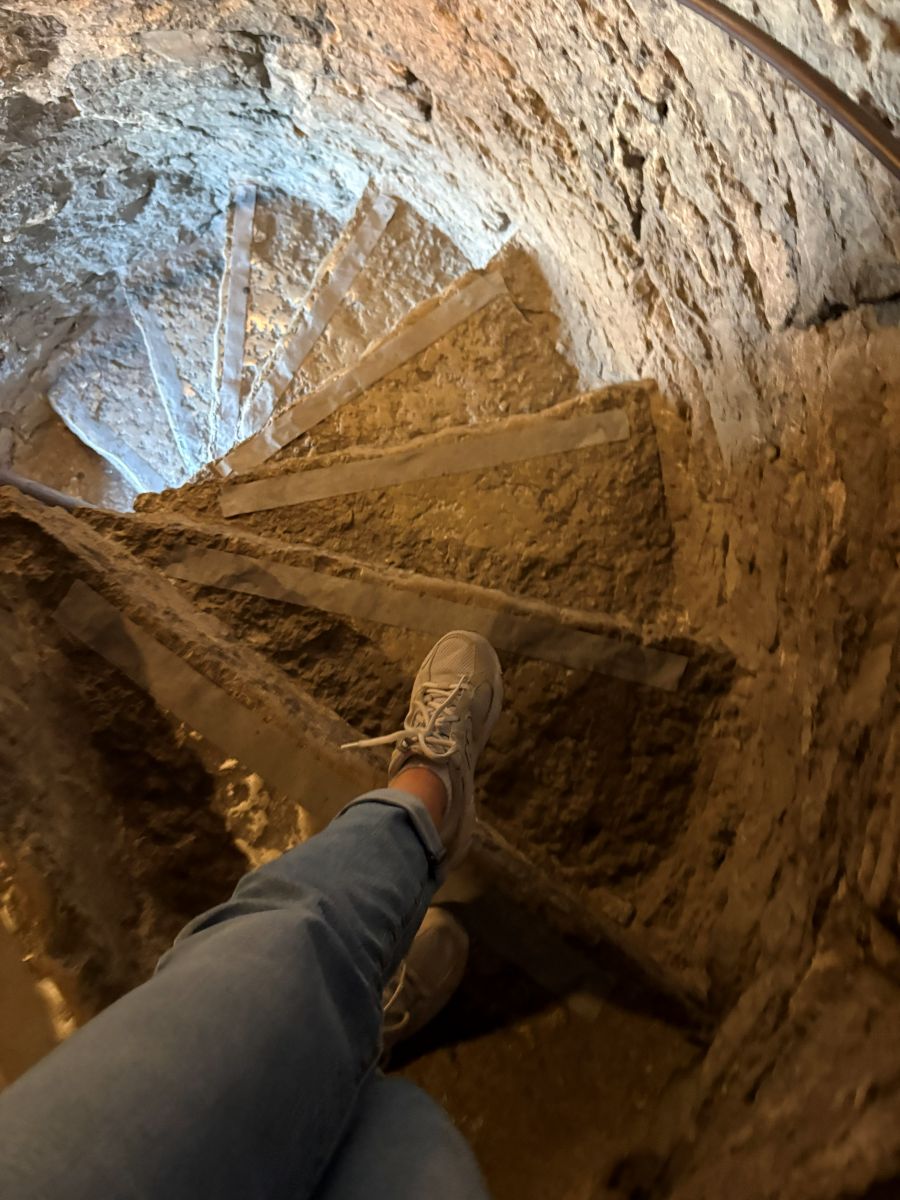
Or ‘Peek into the Kitchen’ is the tallest tower turned into a museum. Built in 1475, it is so tall that occupiers were able to look into the kitchens of the surrounding homes. The museum consists of six floors joined by a steep and narrow spiral stone staircase. Features covered include medieval armour, weaponry, the Blackhead Fire Brigade and defenses of Tallinn. Don’t miss climbing to the very top for incredible views from the gunners’ windows.
Maiden Tower
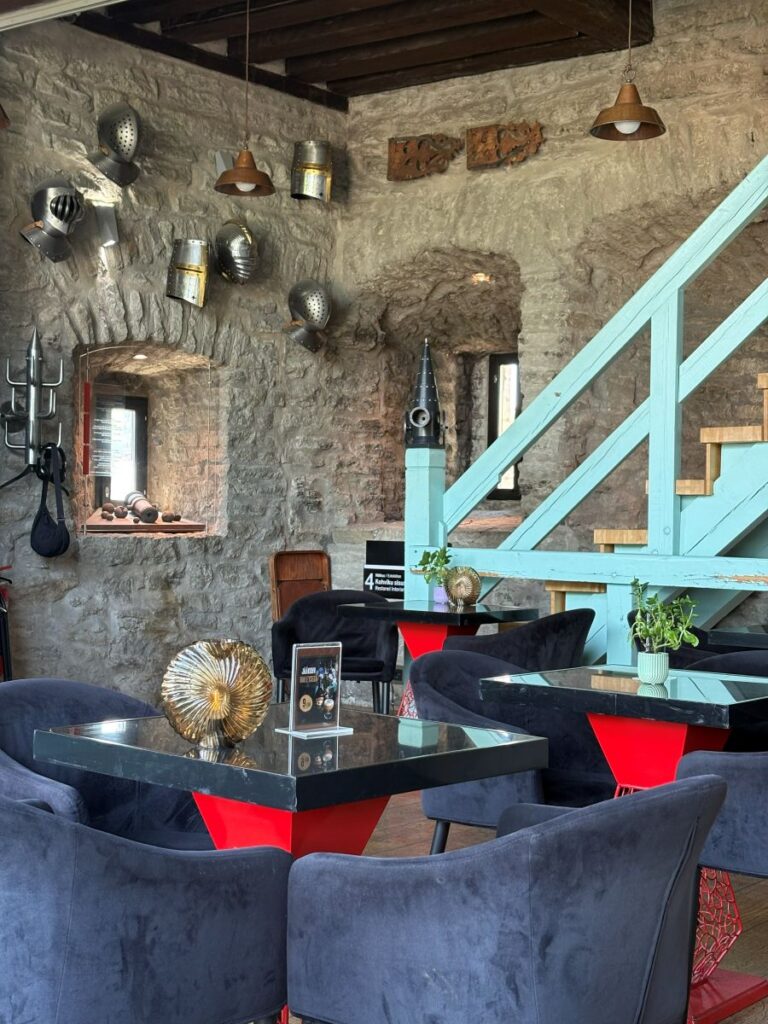
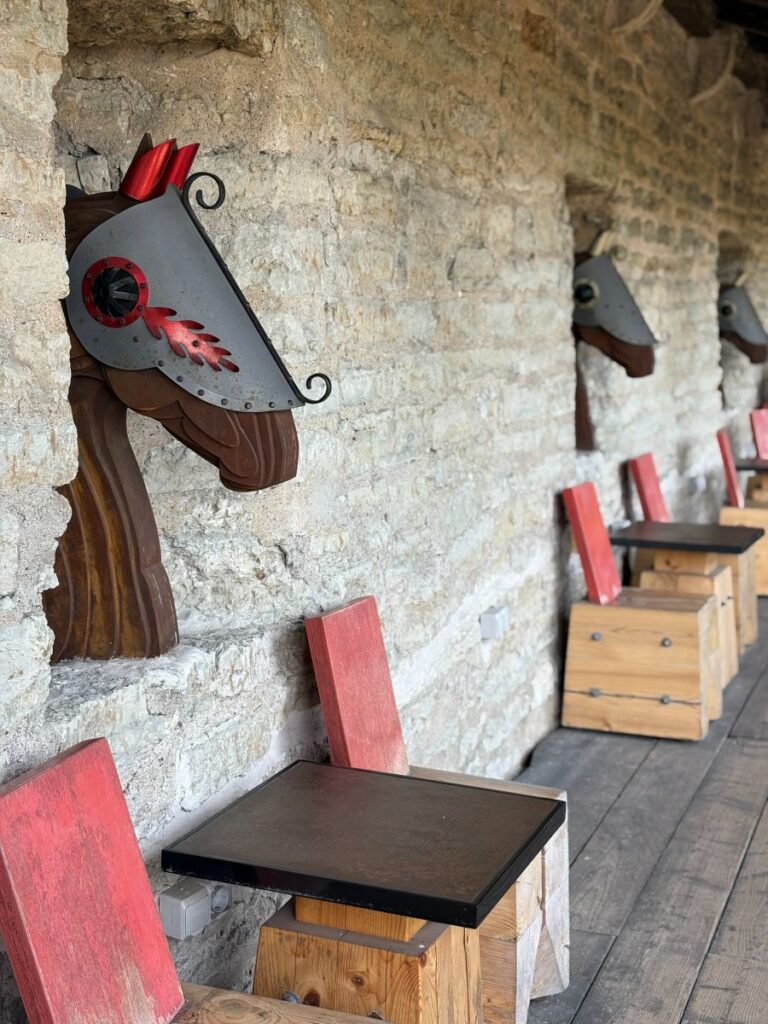
From the second floor of the Kiek in de Kok, walk down a length of the wall until you reach Maiden Tower. Built in 1363, it suffered greatly during the siege of Tallinn by Ivan the Terrible. In 1825 it was adapted into a private residence and the remnants from the von Bock’s home, is what fills one floor today. On the third floor is a beautiful café, the perfect place to pause and have an iced cold drink or coffee. Seating inside is plush and sophisticated but don’t miss sitting at the café style benches along the wall if you want to be outdoors.
Stable & Short Leg Tower
Follow the walls from the café and find yourself first at Stable Tower. This is one of the smallest towers in the fortifications and was used to hold prisoners in chains. The staircase is especially treacherous.
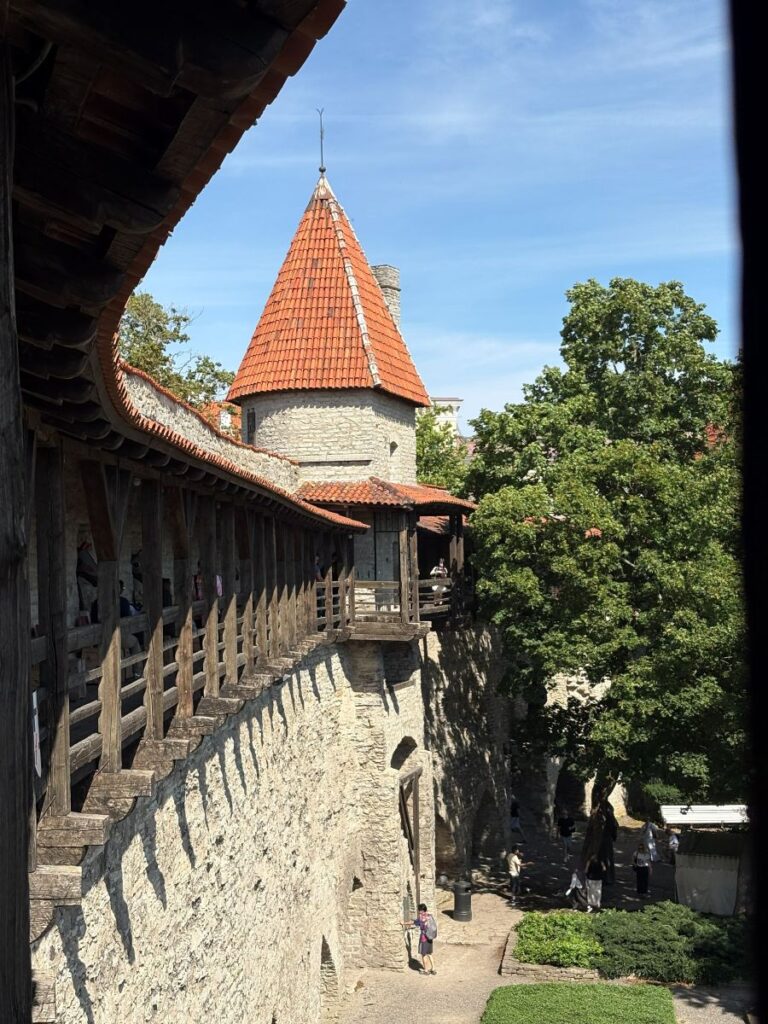
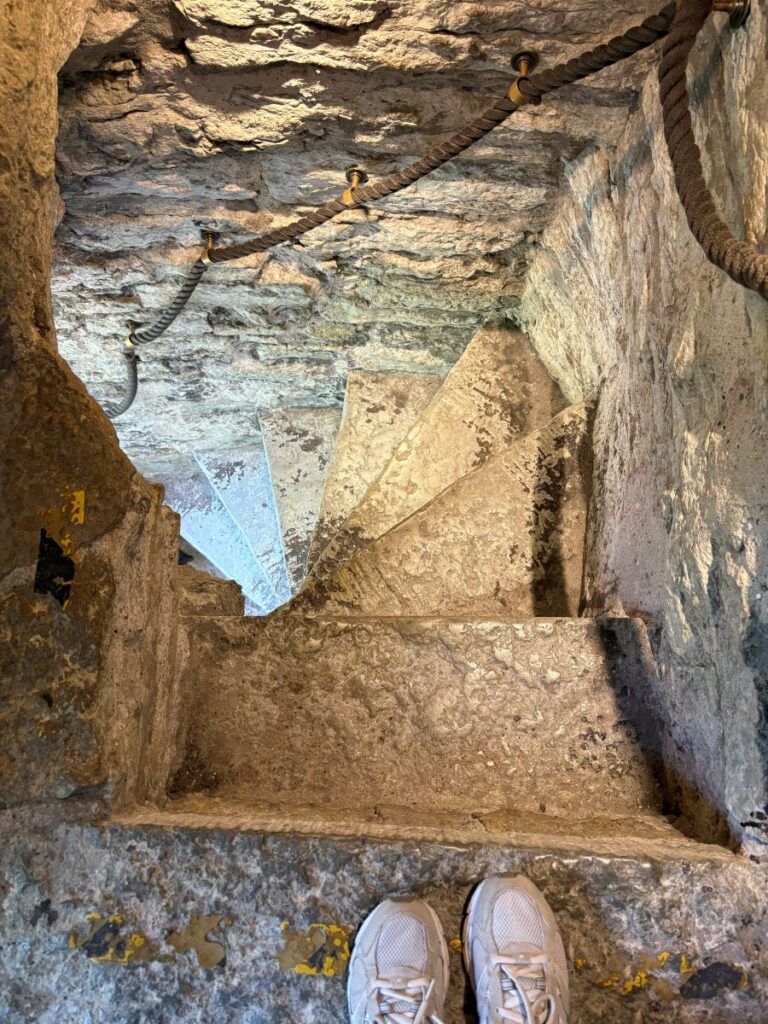
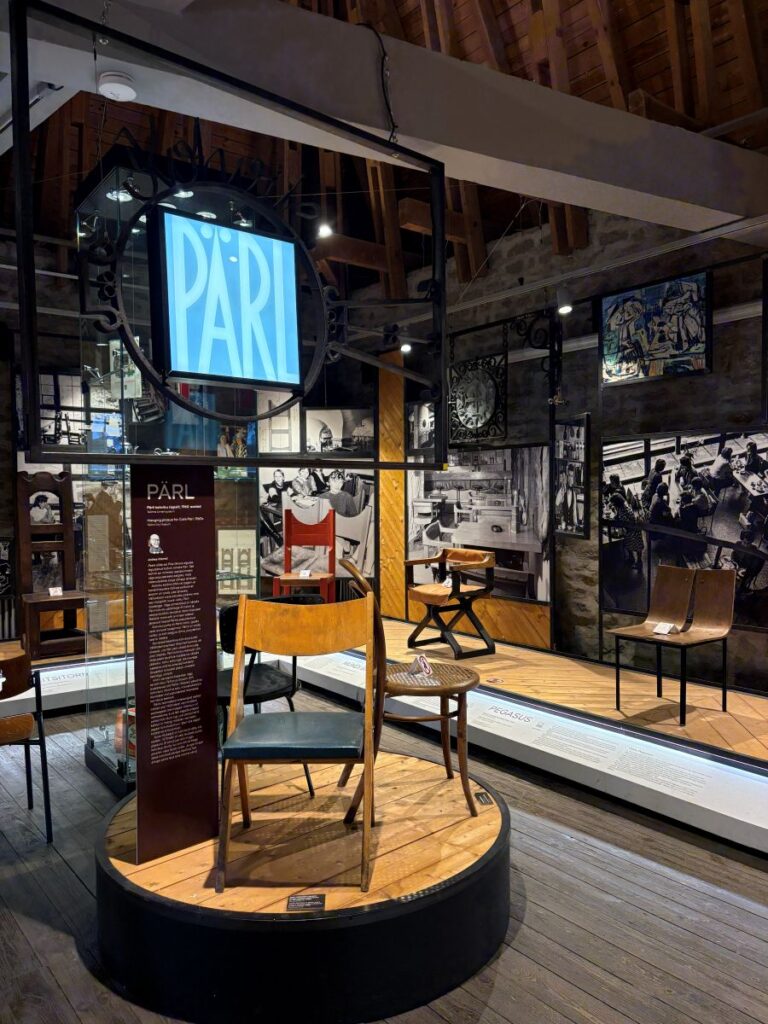
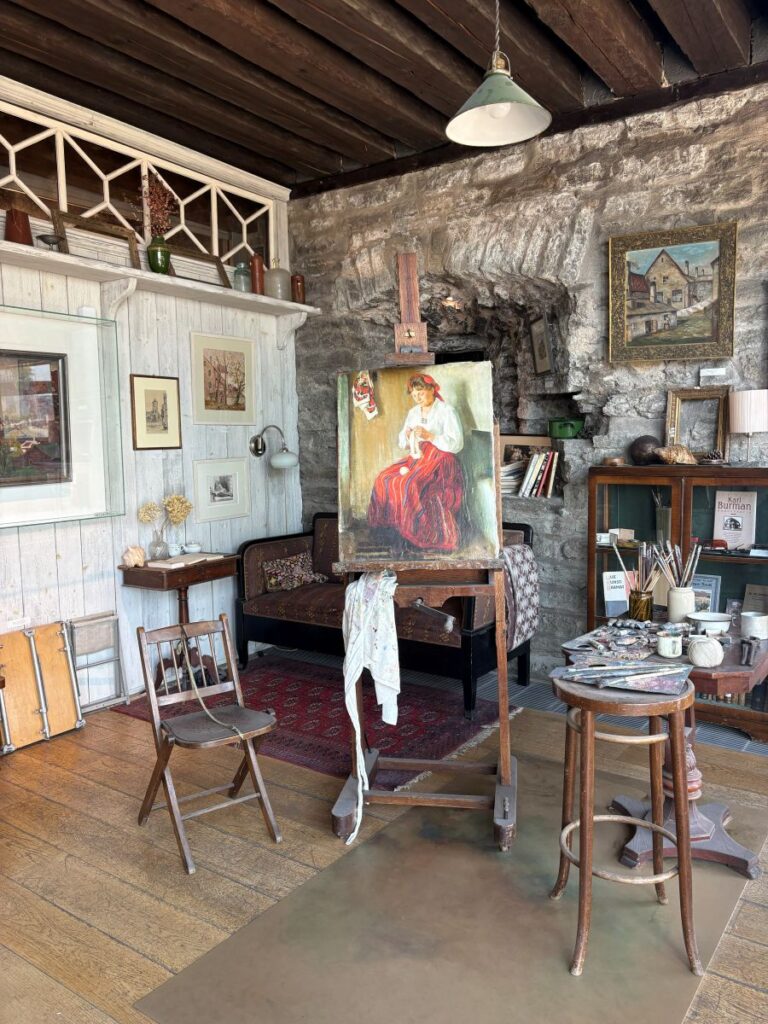
Just beyond Stable is Short Leg Tower which was also turned into a residence. Today it is filled with a lovely display of furniture and dishware salvaged from various coffee shops, dance clubs, and restaurants. The first reports of a café in Tallinn date from 1702 and some of the restaurants and clubs featured on the 4th floor are from the 1920’s to 80’s.
Toompea Castle
Located in the upper Old Town at the top of the hill is Toompea Castle. What we see today was constructed in the 13th century and it is magnificent! Inside it houses the current day Parliament but what you want to see is the exterior. From the street below that corner tower and exposed stone wall is truly daunting.
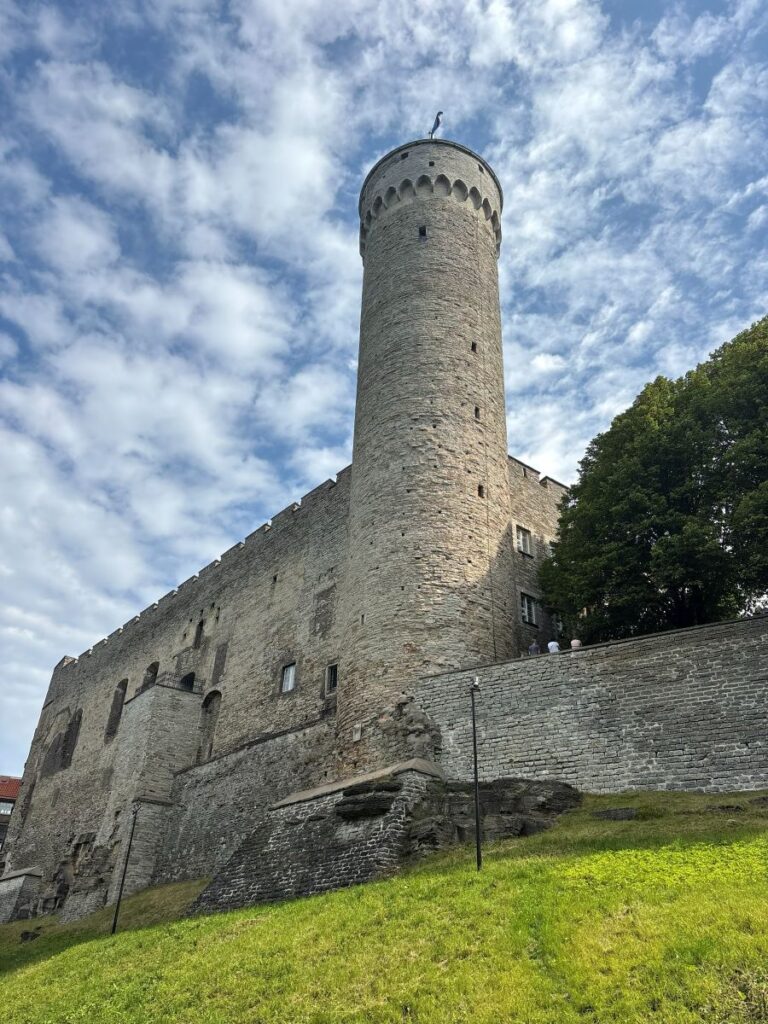
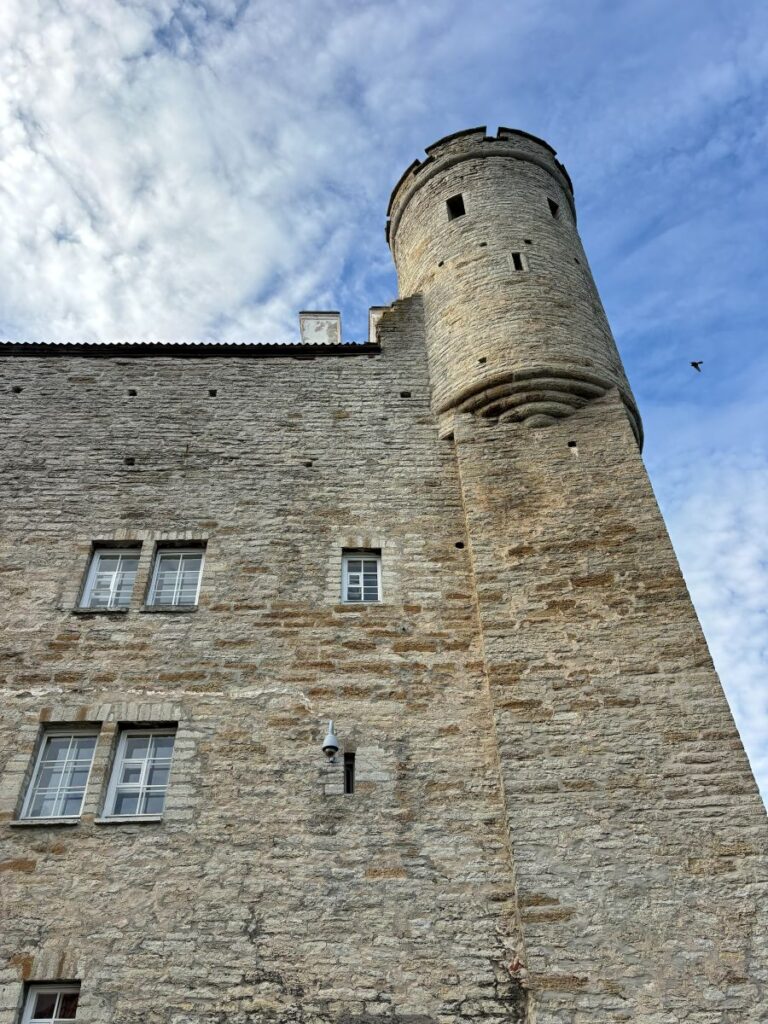
During its early history, the castle was conquered by the Danes twice, but eventually taken over by the Teutonic Order, a catholic institution who held it during the medieval centuries. Walk up and around and you can get right up close and personal to one of the towers in upper Old Town. Right beside that today is a small theatre and the Canadian Embassy.
The Bastions
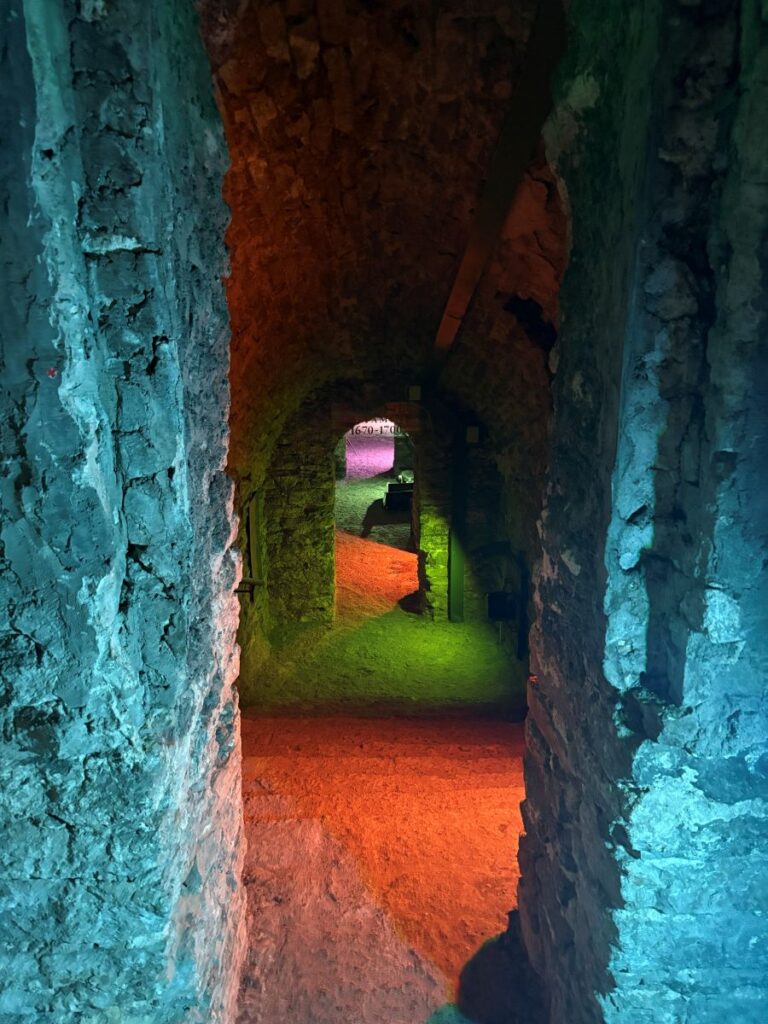
Ready for a creepy experience? We enter through the ground floor of Kiek in de Kok tower and head into a dim passage that immediately drops to about ten degrees. It is cold, damp, eerie and in some places so dark, I cannot see my footing. The bastions were constructed during 1670 and 1710 when the city was under Swedish rule. These underground tunnels allowed troops to move around the city and be protected from cannon fire. The tunnels are made of limestone and the walls above are several meters thick to support the weight of the soil on top.
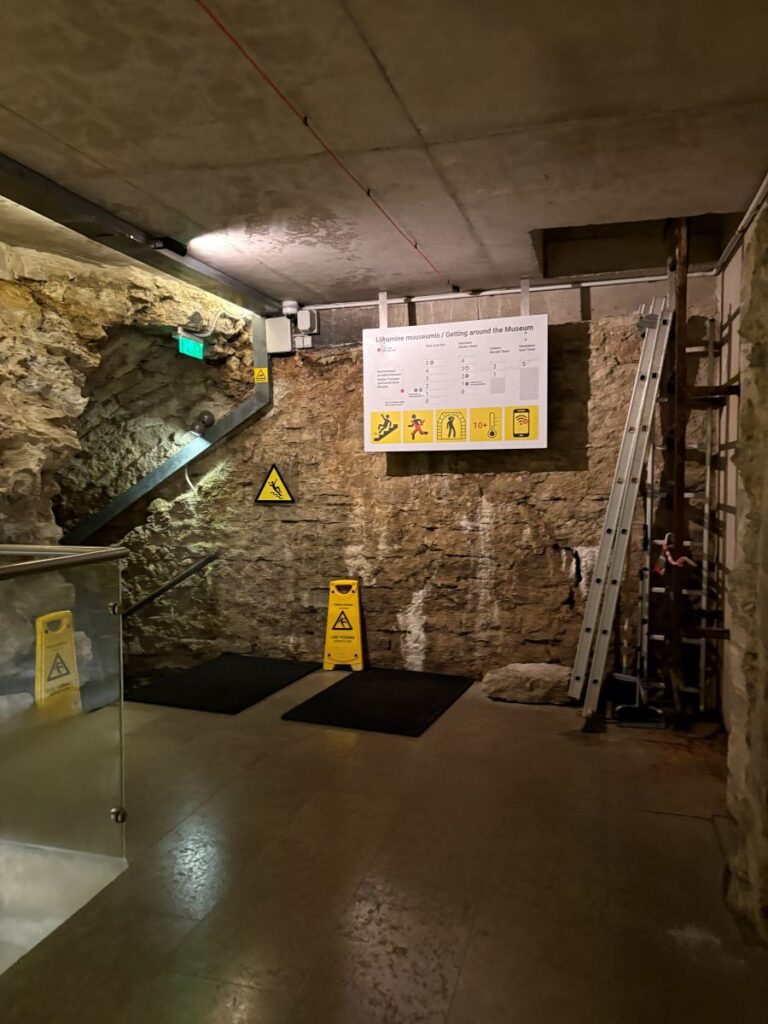
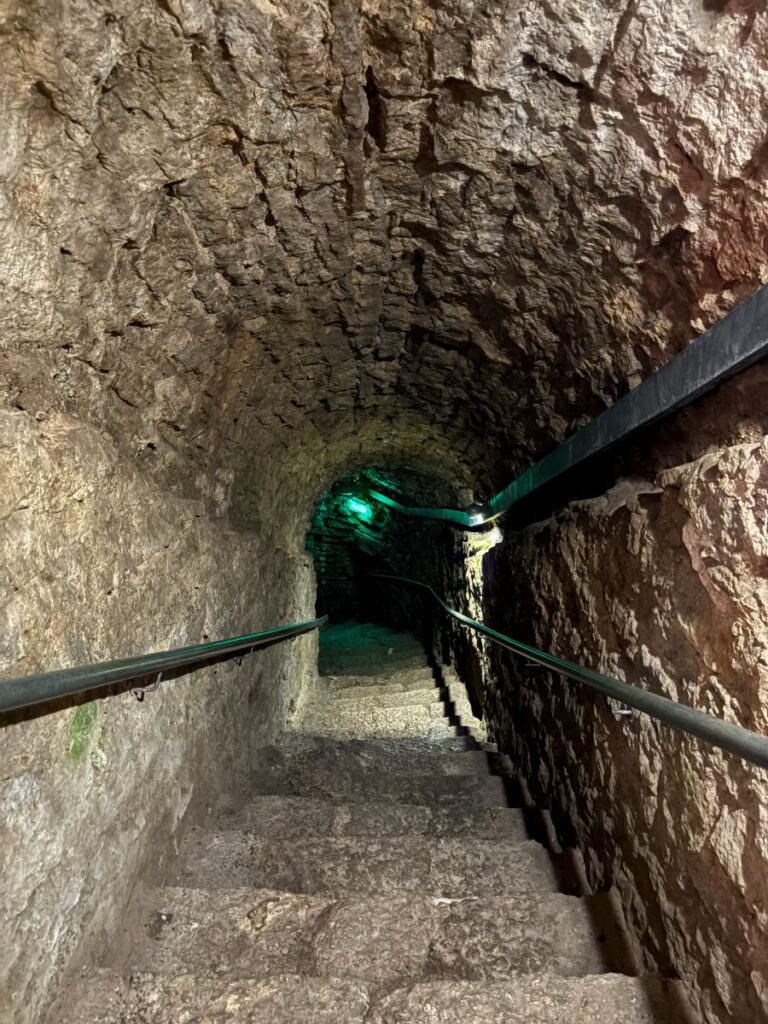
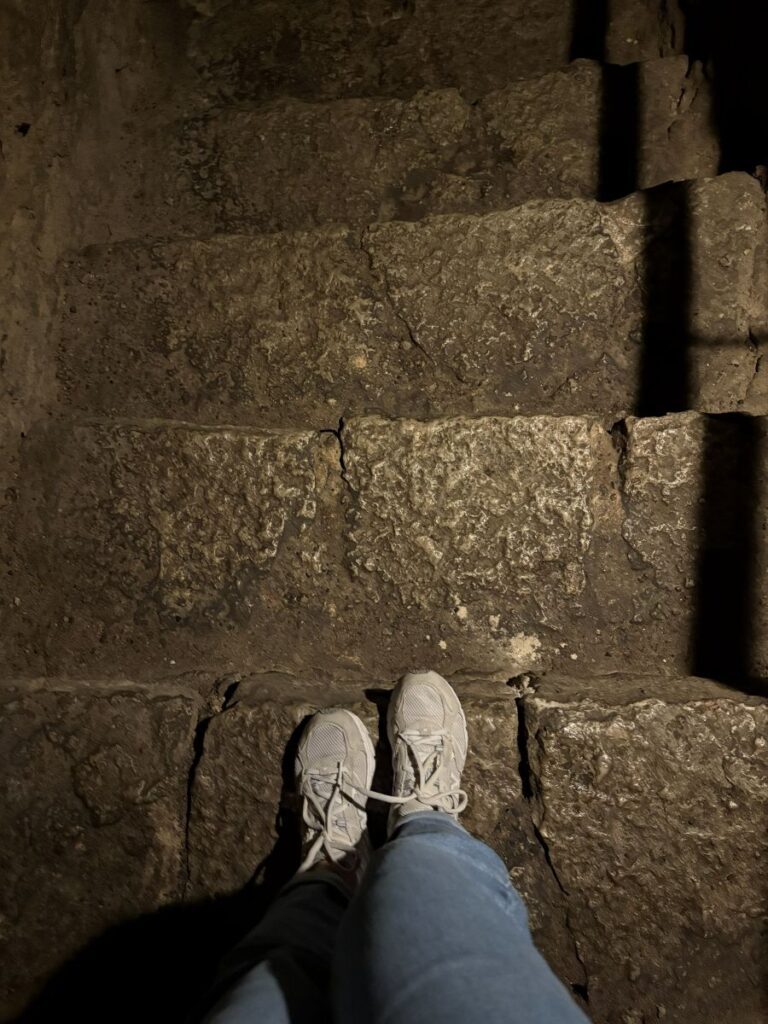
The total length of these tunnels is 1.3 kilometers and visitors have access to 470 metres of that. When you are down there, it seems to go on and on for ages and creepy af. I entered the museum as soon as it opened and went straight for the tunnels, I was the first and only person down there for much of my visit.
What to See
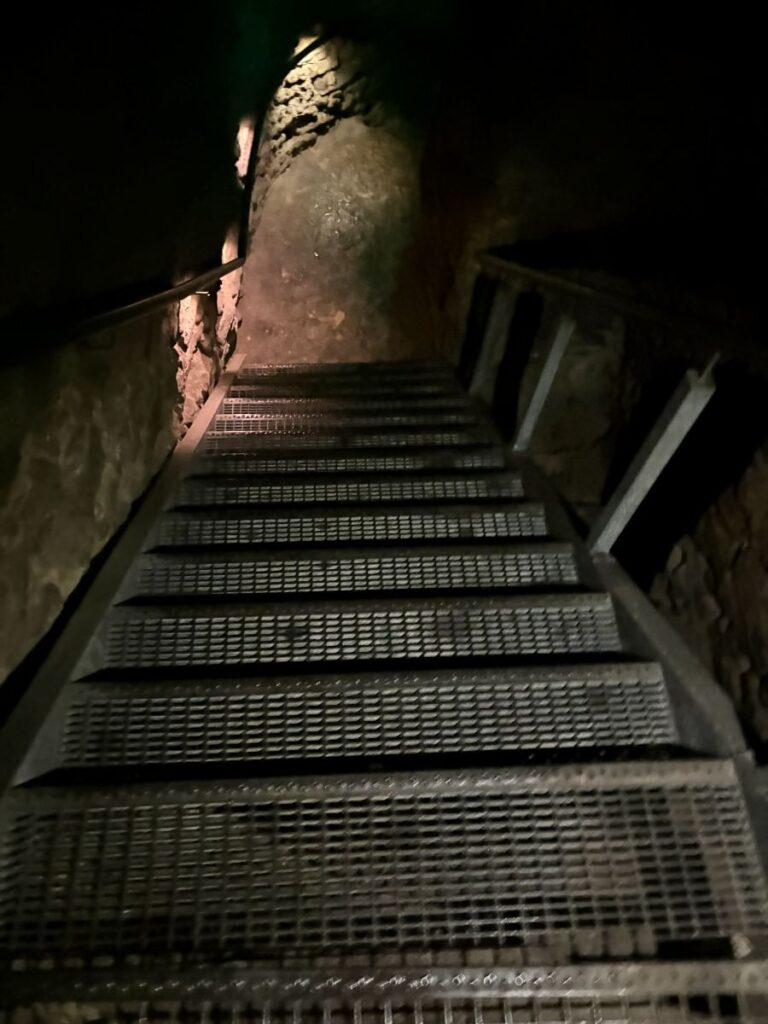
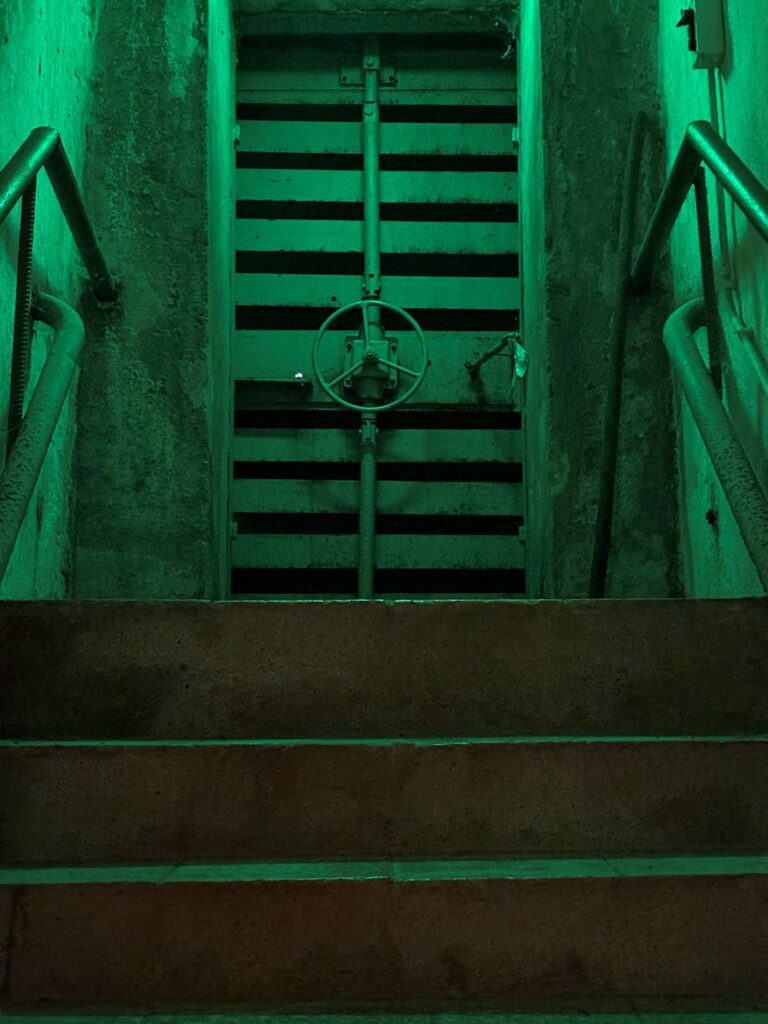
So what is actually down here to see today? Well a whole lot of history that works its way backwards from current day to when the tunnels were first constructed. The initial section is brighter and the walls are covered with black and white historical images. At the end of this section, you walk down a dark staircase, so dark I had to turn on my camera flashlight to see.
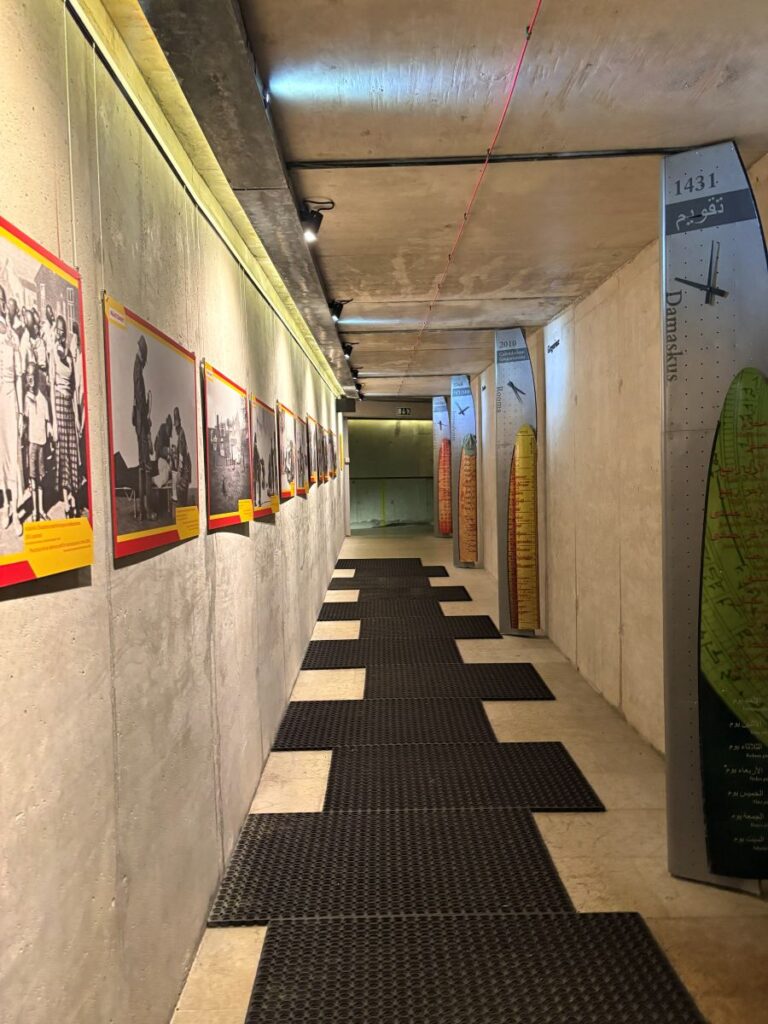
In 2004, these tunnels had fallen into disrepair and were in an awful state. Filled with water, rats, lice and the homeless, it took three years to empty the initial section. The homeless population is said to have lived here from 1991-2004 and that is the first section you will see displays about. Stepping back in time, the next section shows images from 1980-90 when some of the wider parts of the bastions became dens for the Punks.
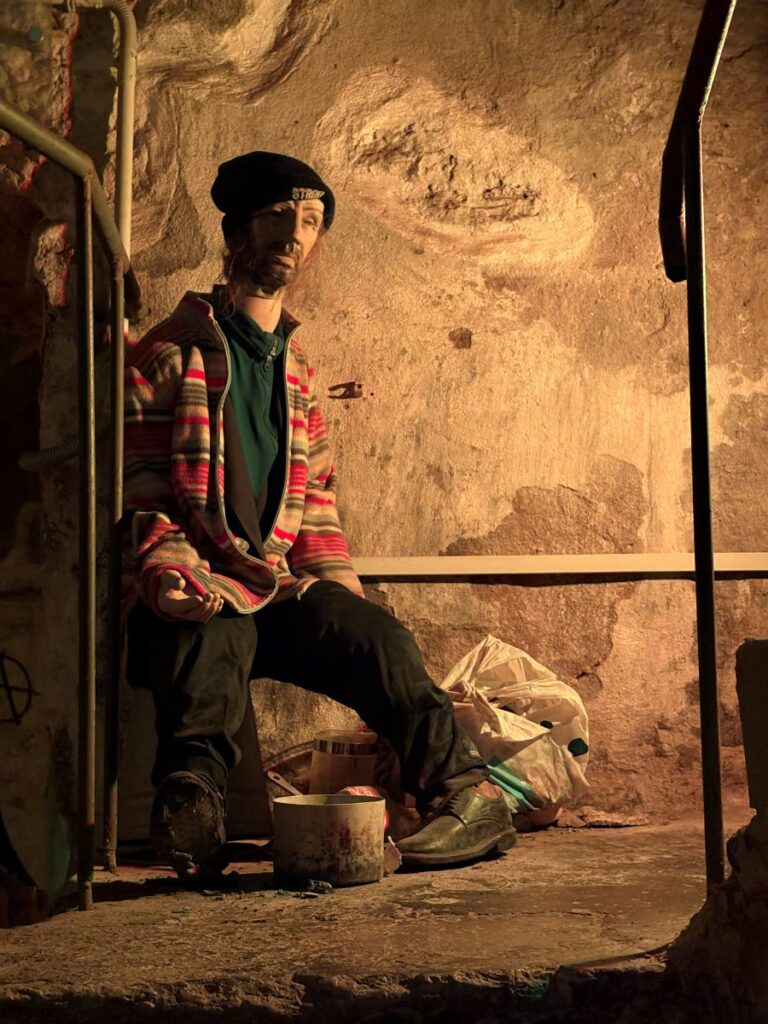
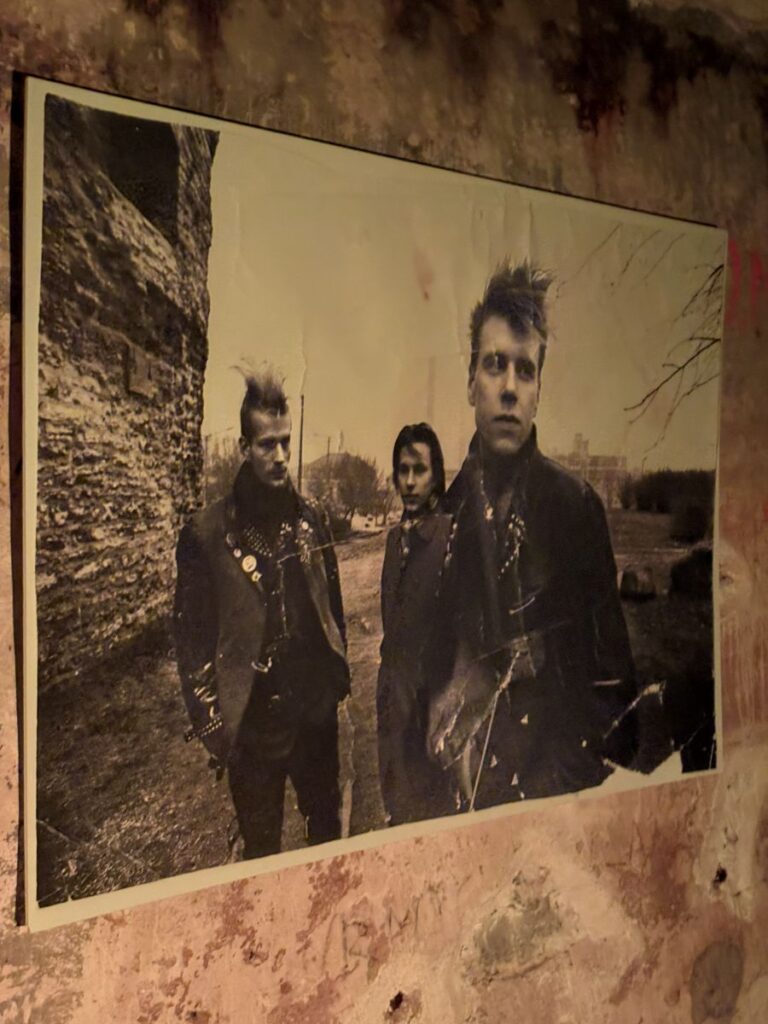
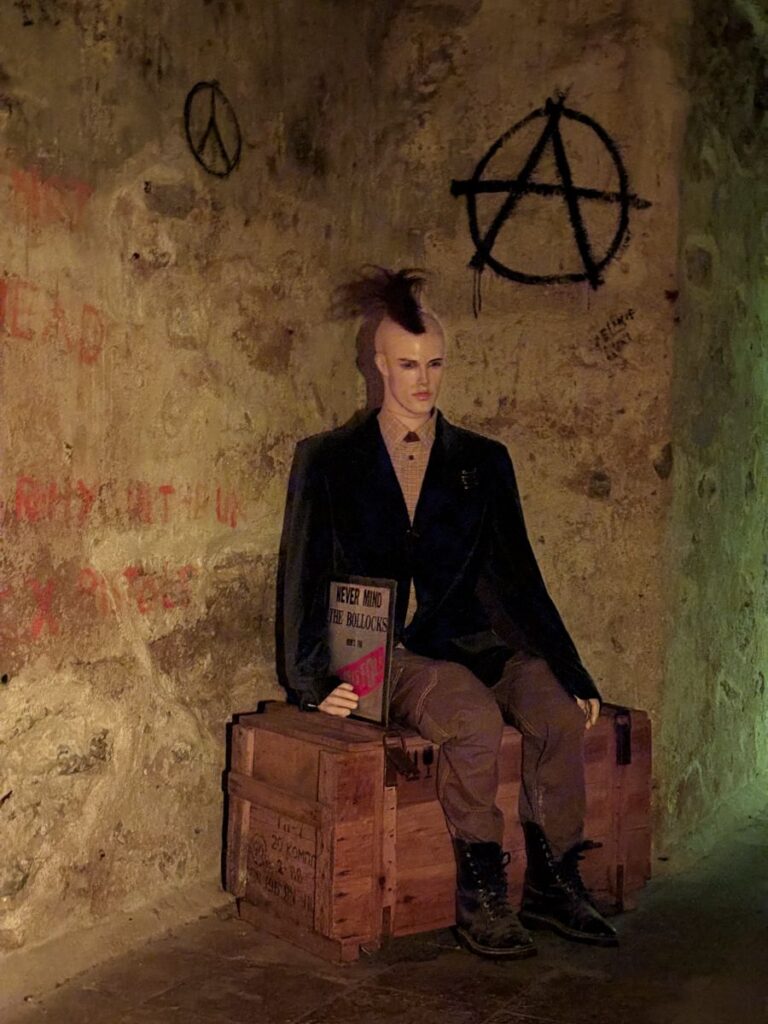
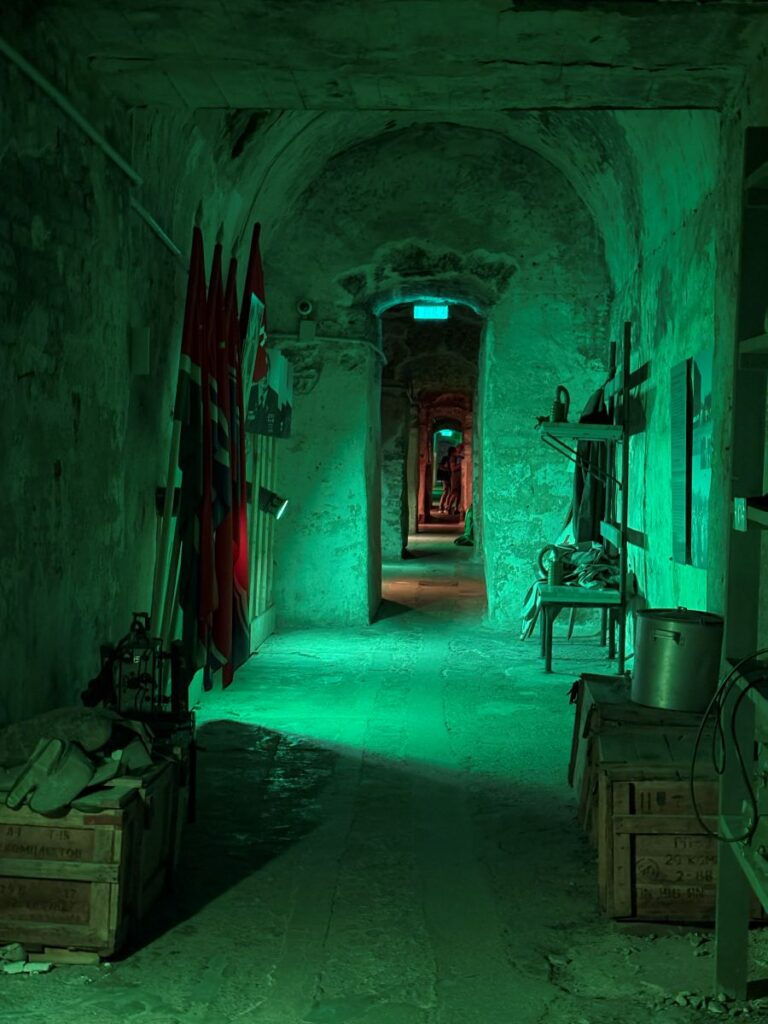
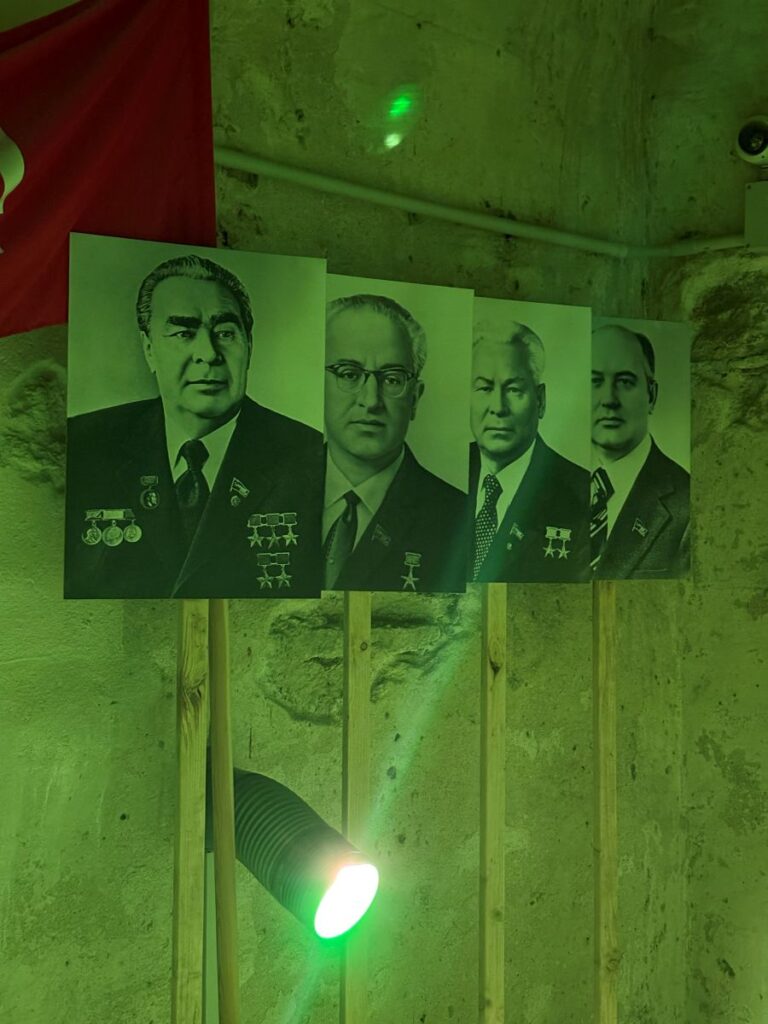
During this time these tunnels were also being used as fall out shelters in case of a nuclear attack. In the 80’s, specific areas were used to store Soviet propaganda that was removed for large parades and then safely tucked away back down in the dark.
The Cold War
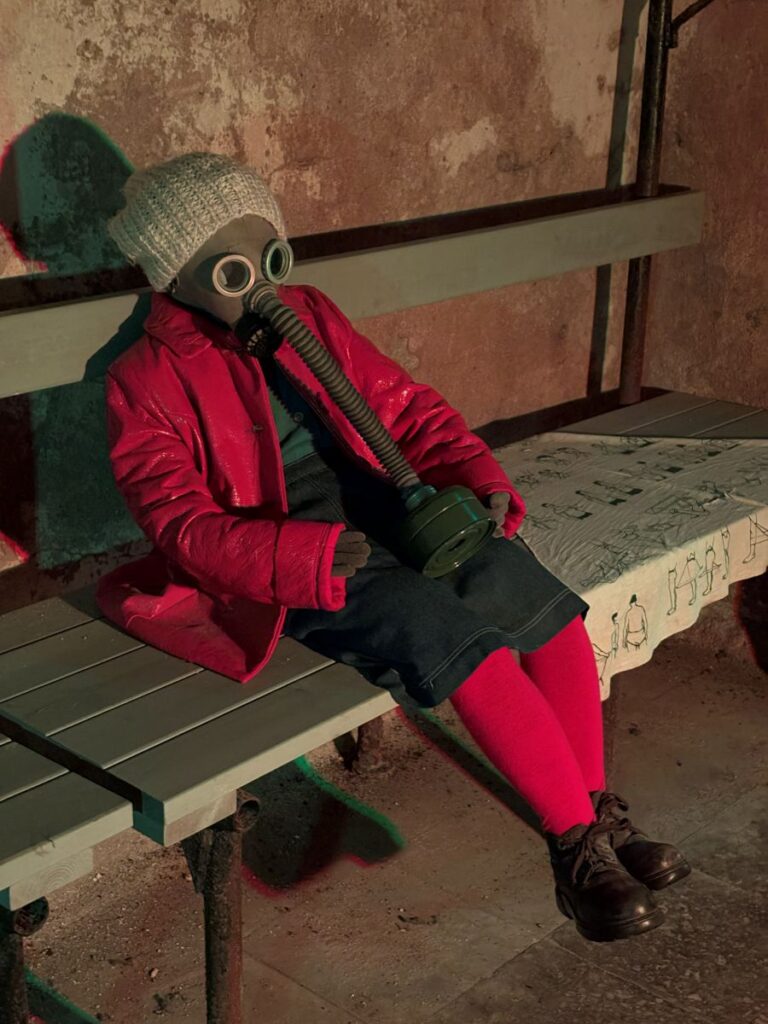
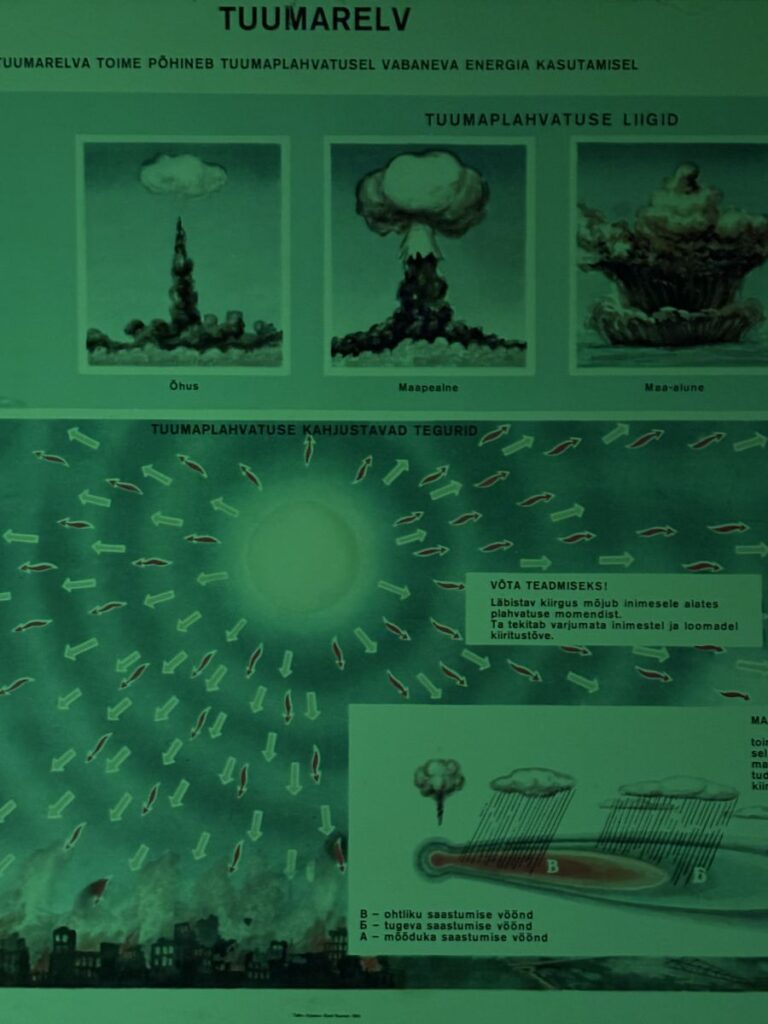
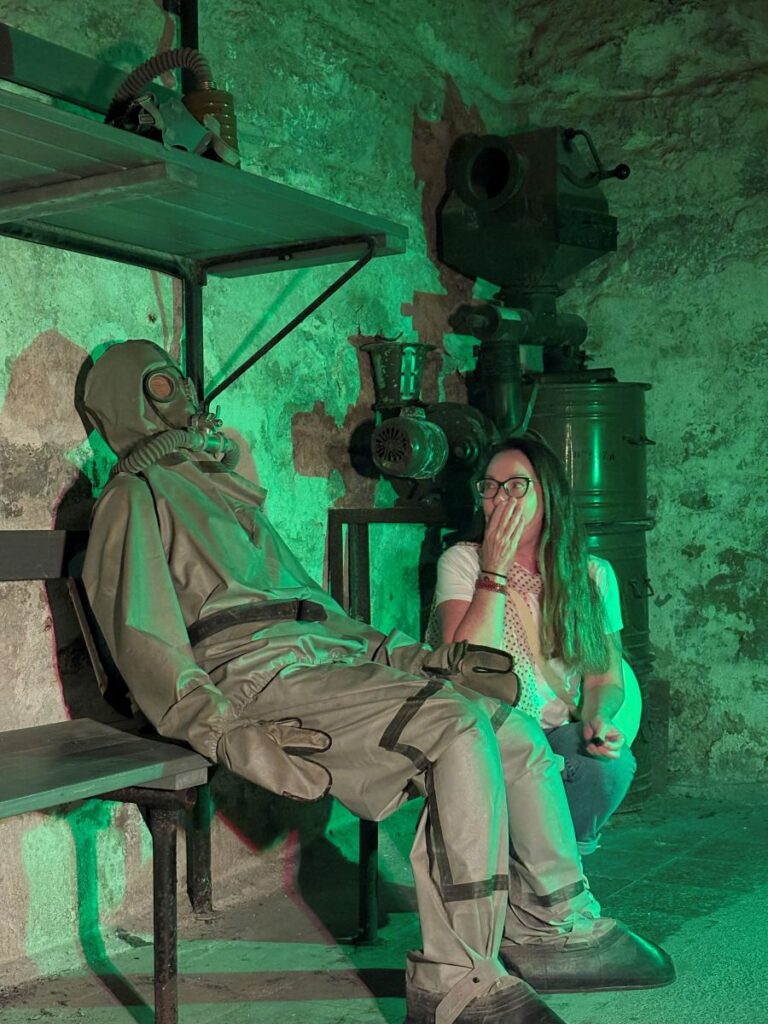
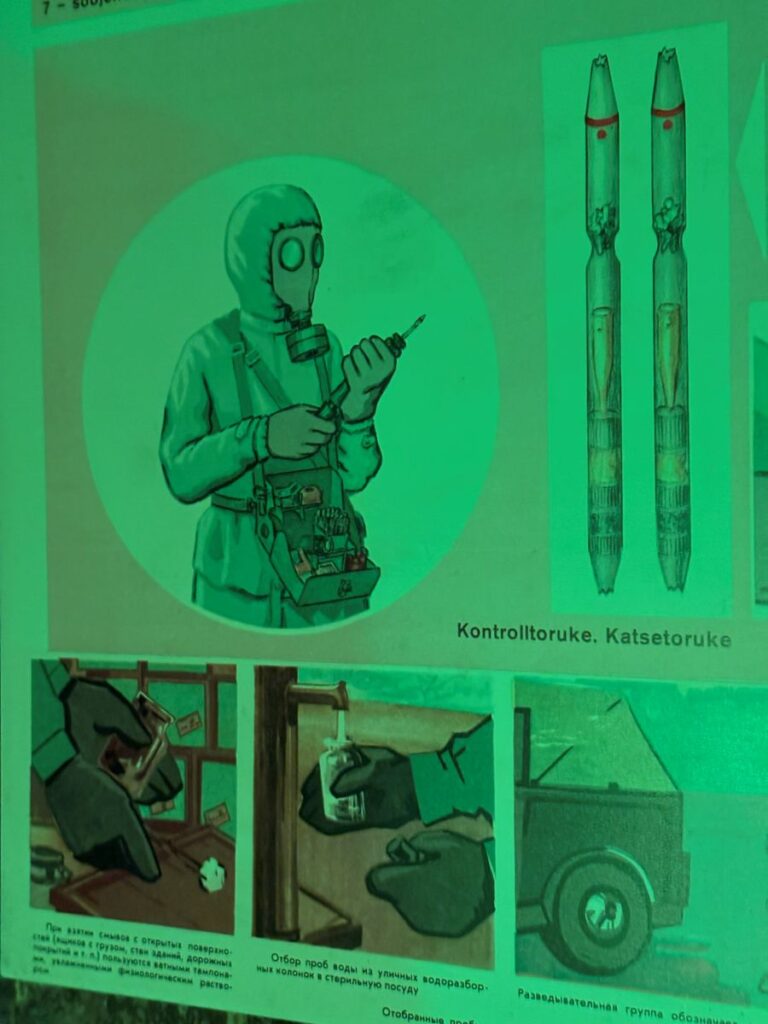
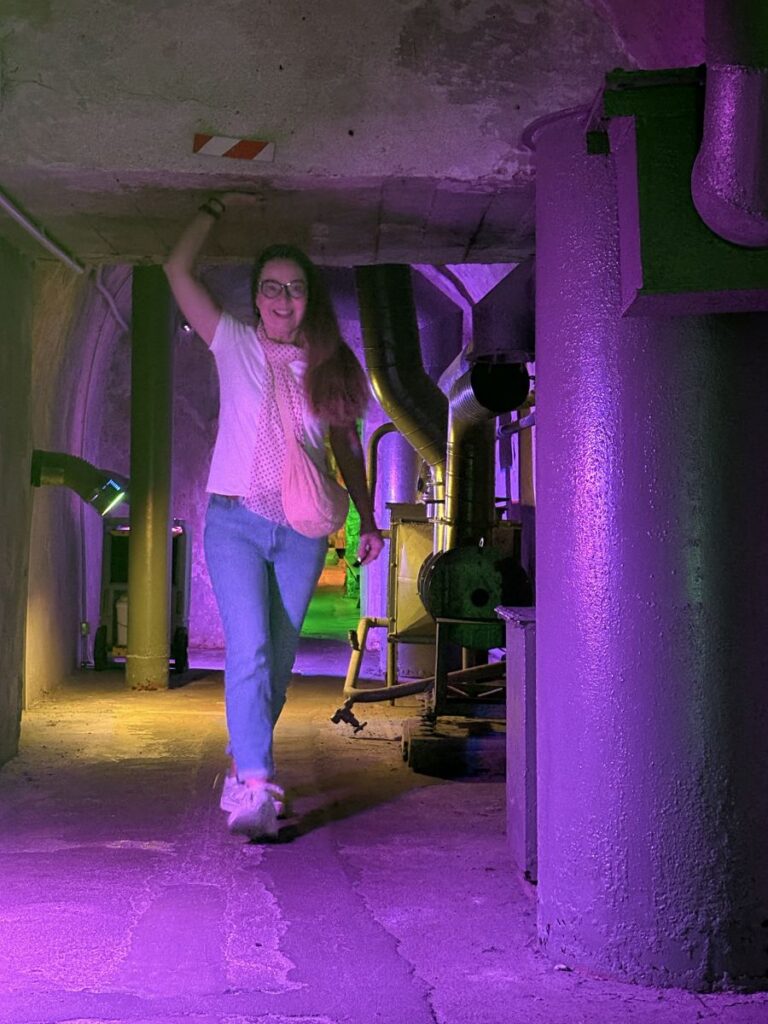
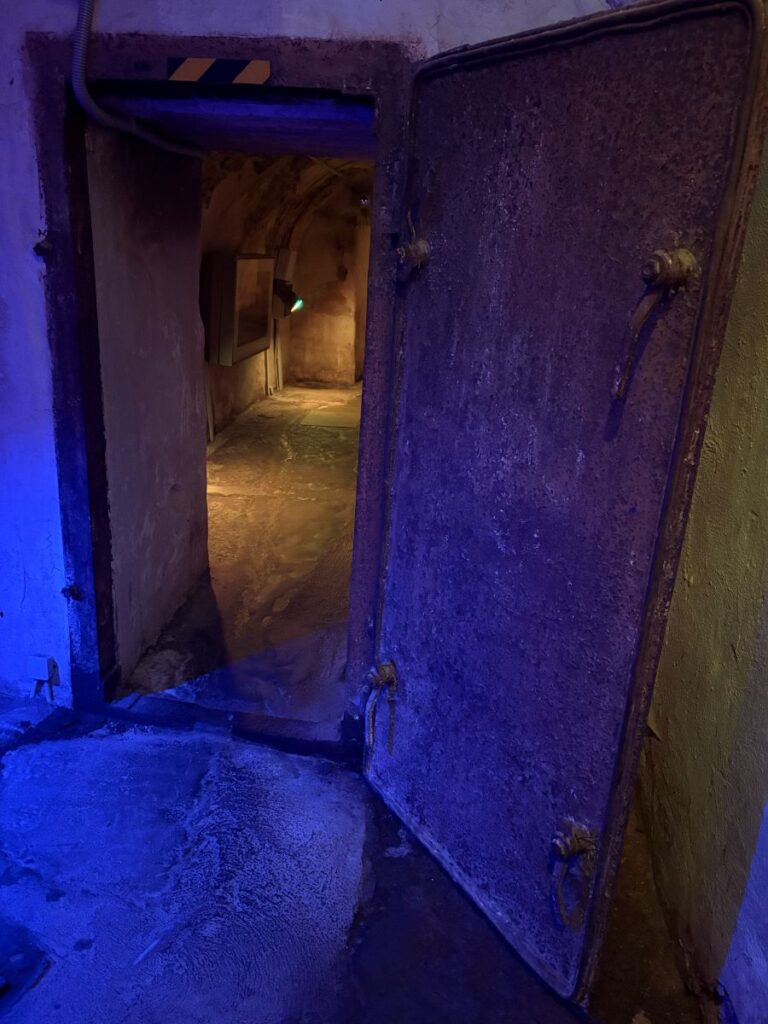
This next and quite substantial section of the tunnels covers the cold war from 1945 – 1991 when the tunnels were used for protection from a nuclear event. It’s the first-time proper floors were installed in the tunnels and they became category 4 shelters. This means they could support the population of the old town and government members for 48 hours being completely cut off from the world outside. They contained water, heating, bunk beds, telephone connections, toilets and a ventilation system.
Ghosts
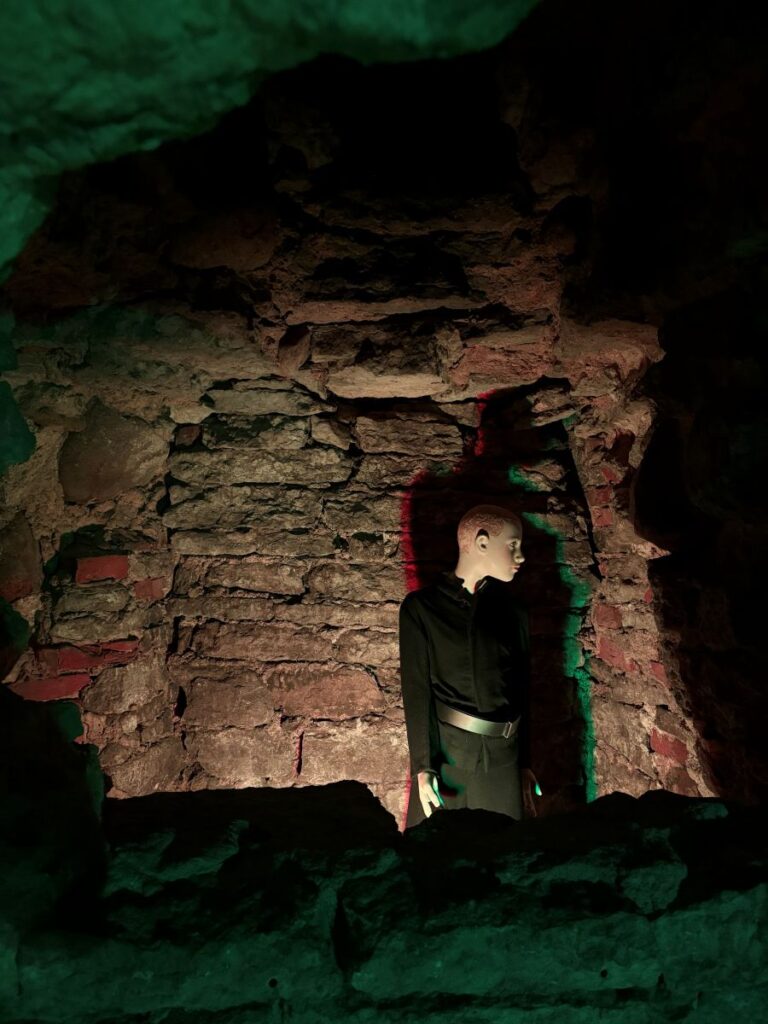
Of course there are ghosts down here, how could there not be? Common tales and sightings of a glowing female figure, a headless female and a tall black form are what has mostly been seen down in these depths.
Poison Gas
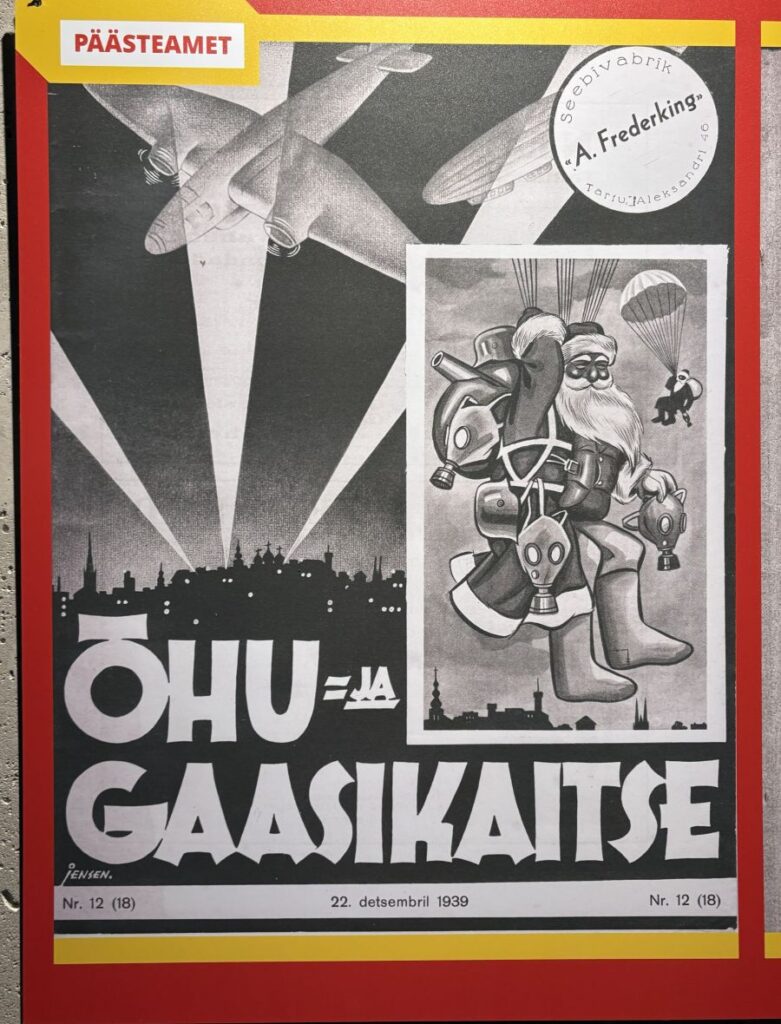
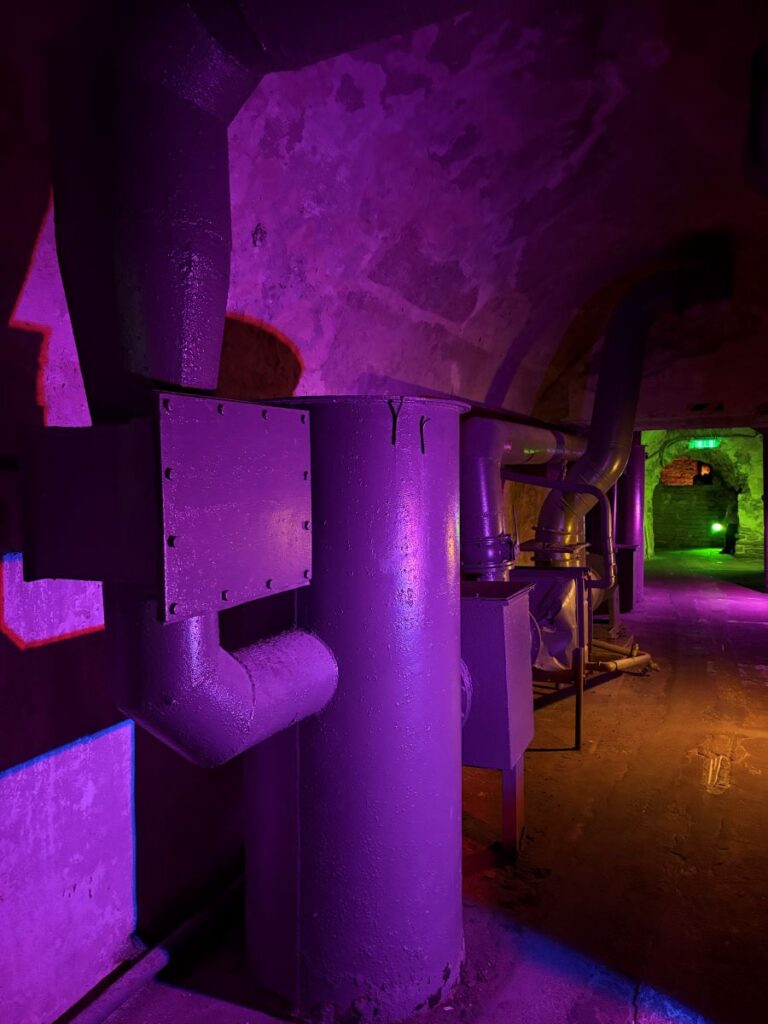
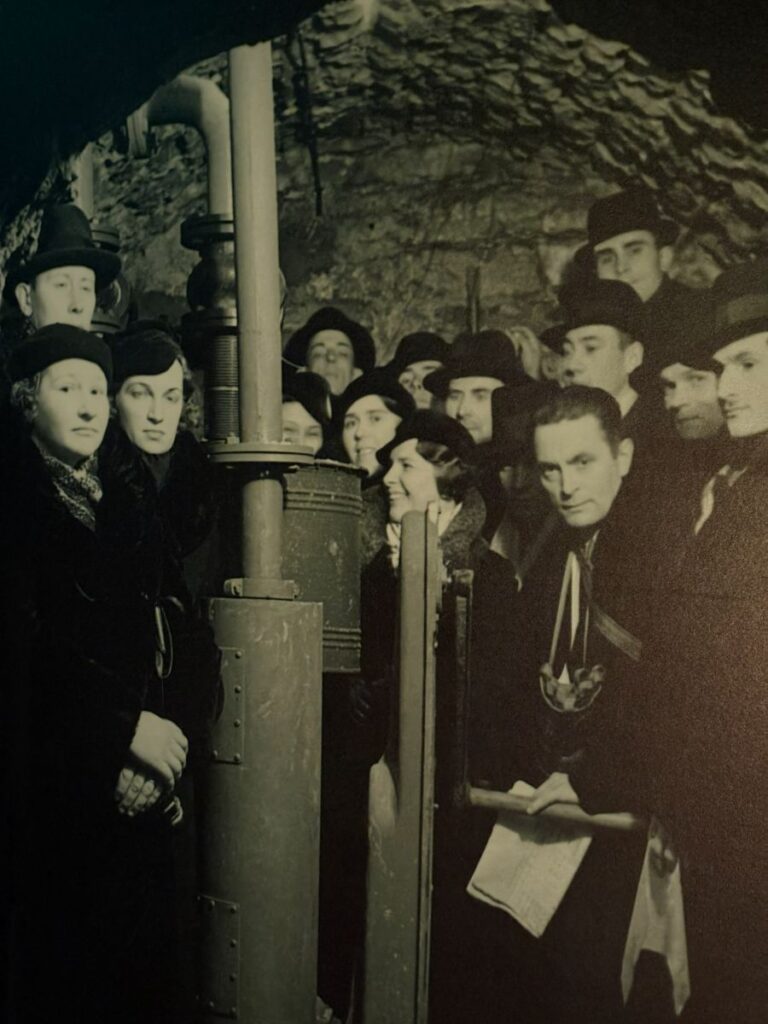
During the years 1936-1940, parts of the bastion were transformed into places of refuge from poisonous gas and air raid shelters. New entrances were cut and the passages equipped with electrical and ventilation systems.
1857-1936
The passages are sealed. Residents are warned not to go down into them for fear of not being able to find their way out. The tunnels are no longer being used for troops and serve no purpose. There is a little rise here and that is for the passage of an aqueduct underneath the tunnel. Running for several kilometers it brought water from Lake Ulemiste to fill the moats.
This experience of not only seeing but discovering and exploring the medieval fortifications of Old Town Tallinn has been exhilarating. The condition of these structures is surreal, one can truly feel like they have travelled back in time. Is it any wonder this entire old city is a UNESCO World Heritage Site? The entire town is one giant and incredible museum, I’m completely in awe every time I visit.