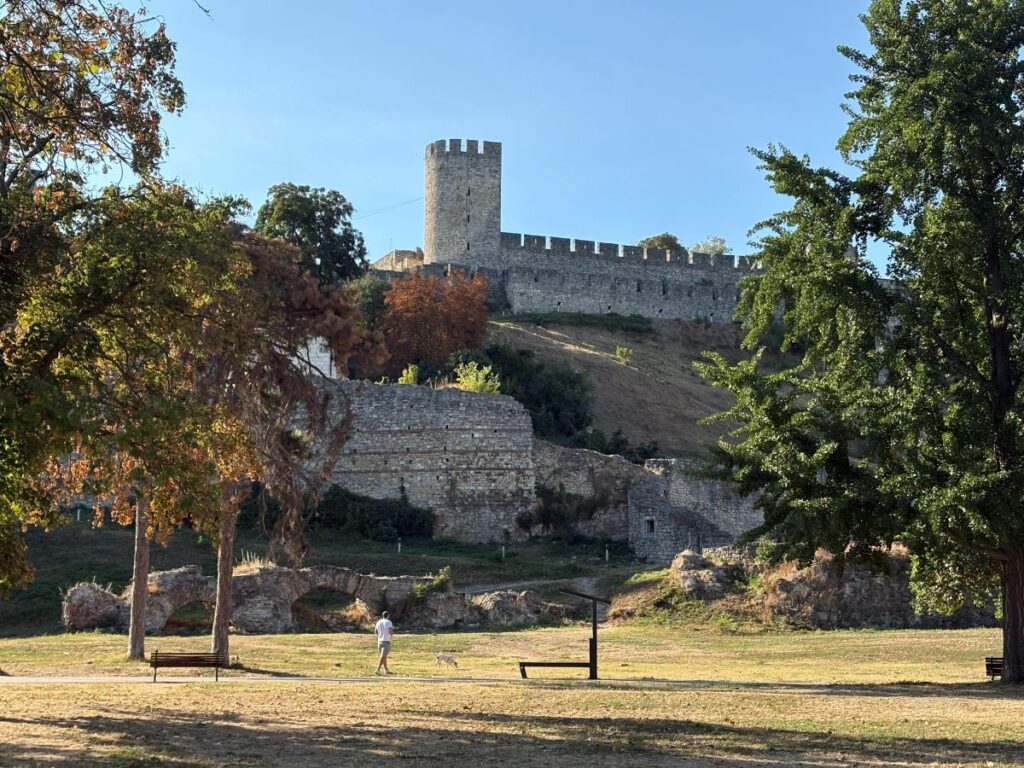
The Republic of Serbia only gained its full independence when it split with Montenegro in 2006. That makes it one of the newest countries in the world. What better place to begin exploring then, from one of the oldest places in the city. Beautiful Belgrade Fortress, the park and rivers is where I am heading for a nose dive into history.
Brief History
The area of the fortress is the oldest part of Belgrade; founded in the 3rd century BC, it was once home to a Celtic tribe. Later the Romans conquered the area and built a fortified camp on the hill where the Sava and Danube rivers meet. After the Roman empire collapsed the Slavic people moved to the site and this is when Belgrade actually got its name, derived from Beli Grad meaning ‘white stone’.
In the 15th century, a Serbian ruler made Belgrade his capital city and the fortress was greatly expanded with a moat and massive towers. Then came the Turks and the Ottoman empire vied for the city with the Austrians for centuries. During one of those Austrian periods in the 1700’s, the castle was largely built into what we see today.
Upper Town
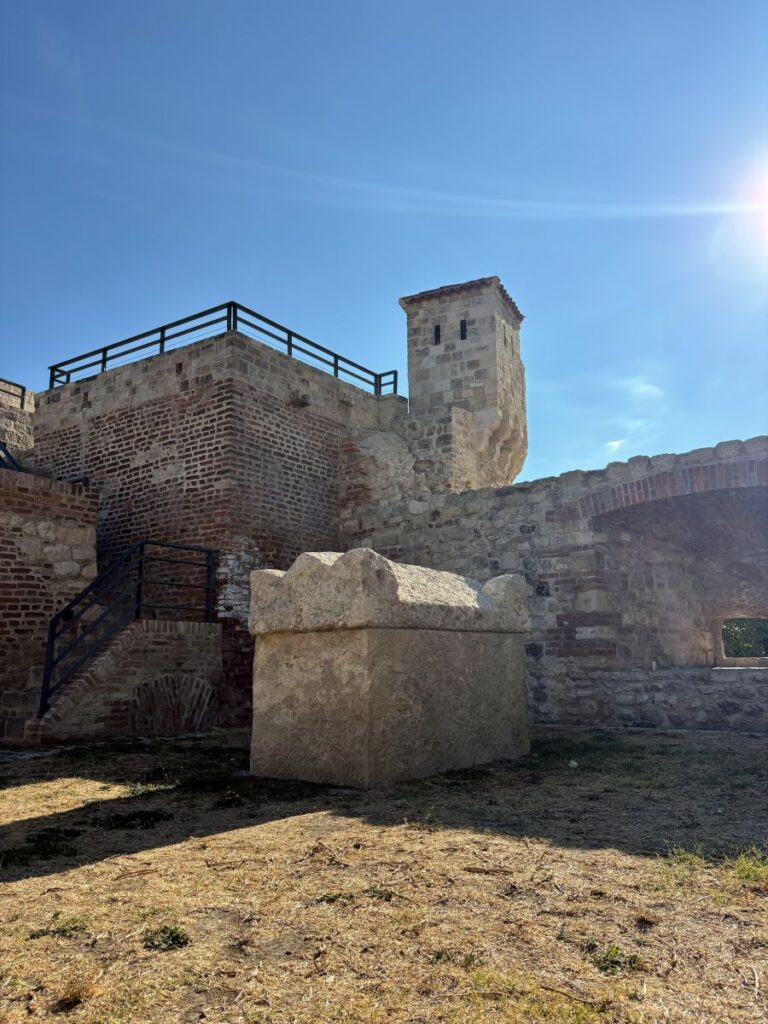
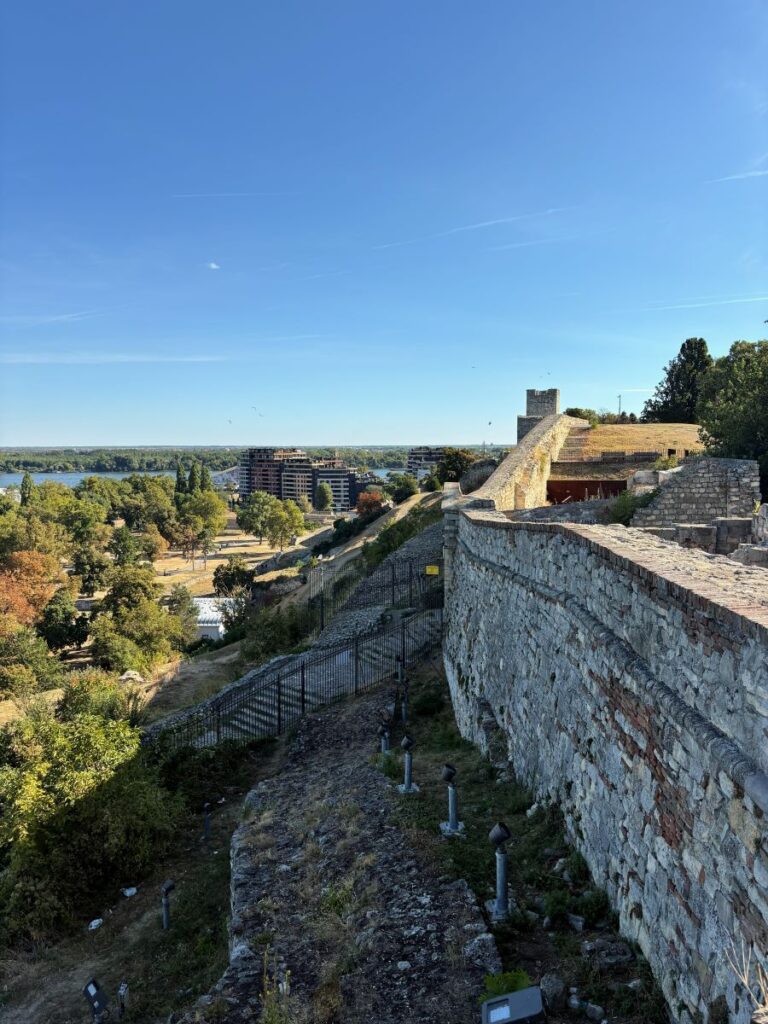
At one time, all of the city was contained within the walls of the fortress and this was divided into Upper and Lower Town. The highest area on the ridge overlooking the rivers is Upper Town and contains a beautiful white tower called Despot Stefan and a long stretch of limestone walls. Located here too are several pieces of Roman history including a stelae, altars, tombstones and a large marble sarcophagus.
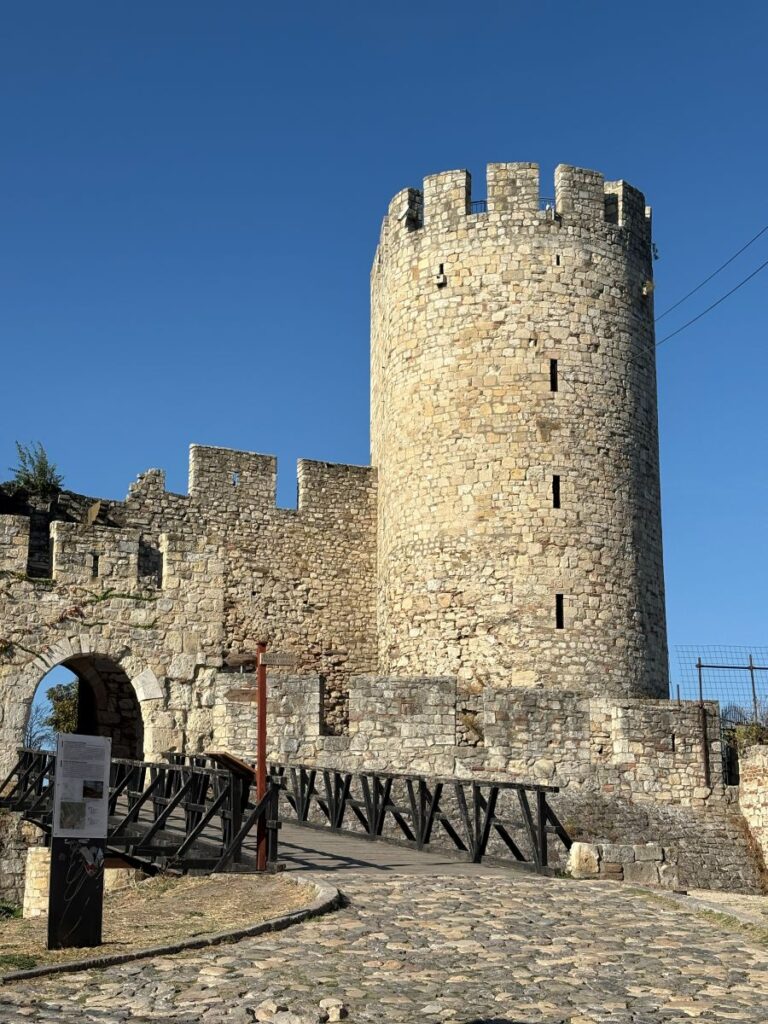
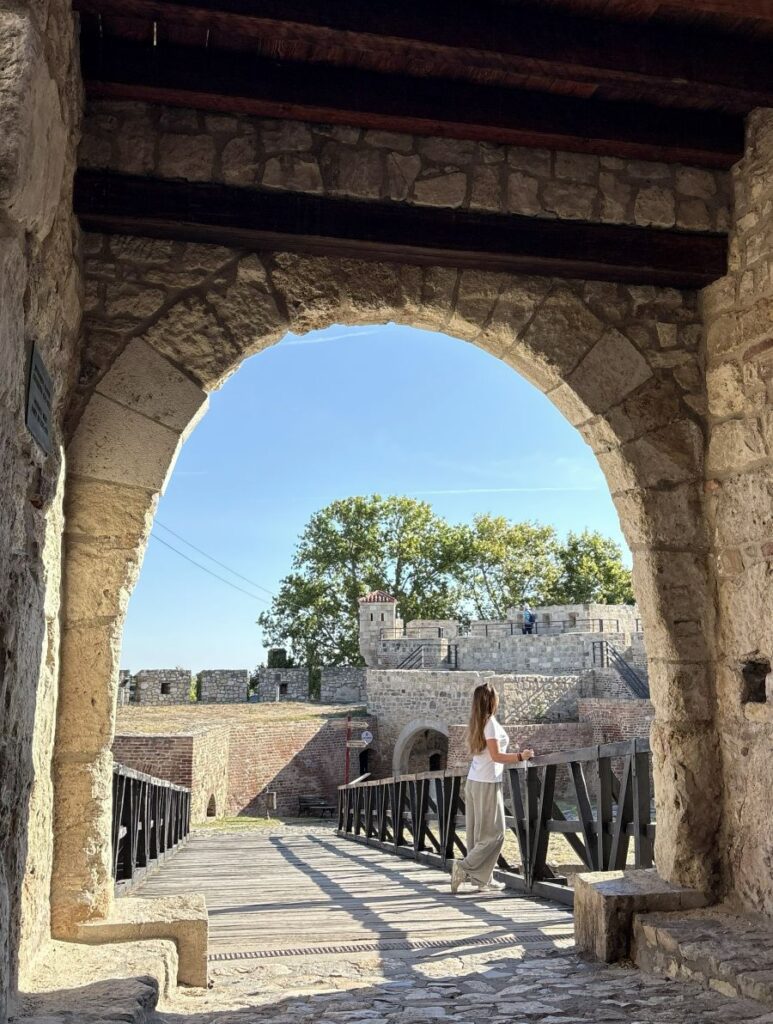
Probably the most photographed part of the fortress is also in Upper Town and is the Zindan Gate. Build in the 15th century, these two massive round towers were used as prisons by the Ottomans.
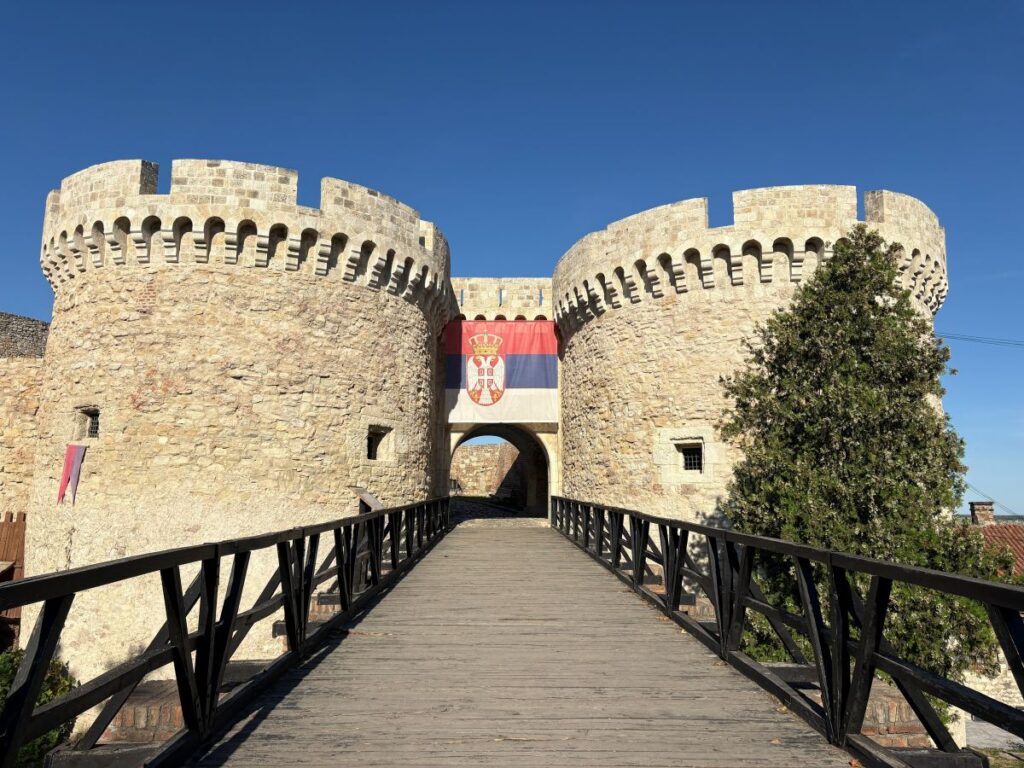
Once across the wooden drawbridge and through Despot Stefan tower, the other side of Upper Town has wide stone walkways. These are currently set up with a re-creation of an historical town. It’s lovely to see the tents and folk dressed up in period costume.
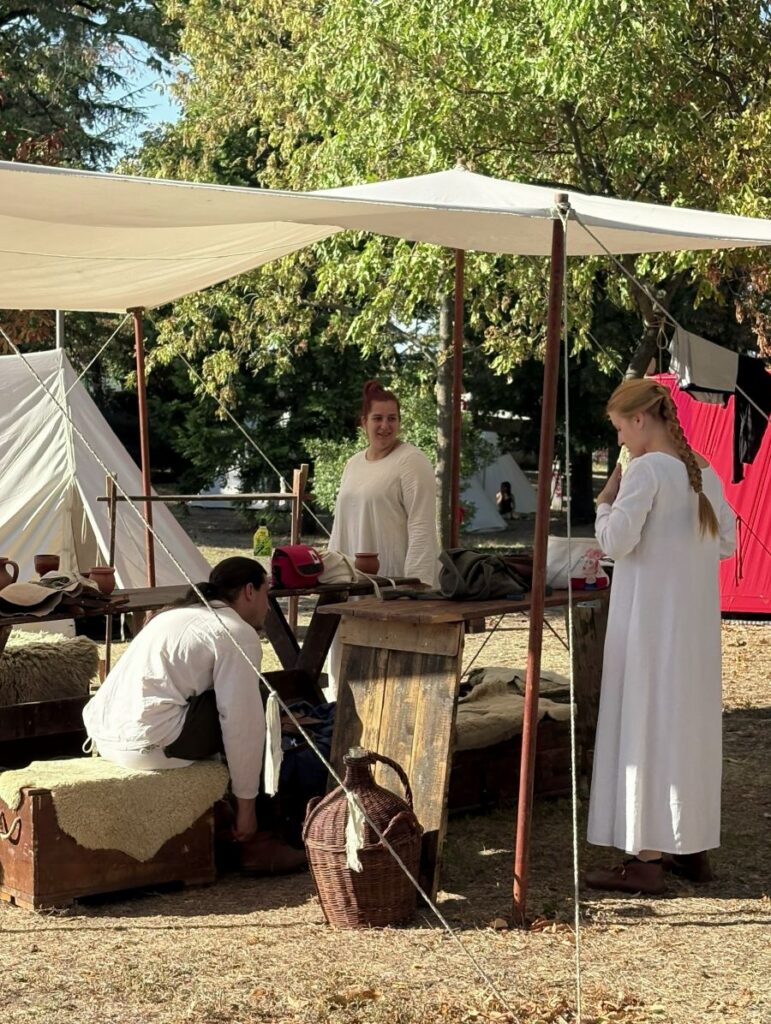
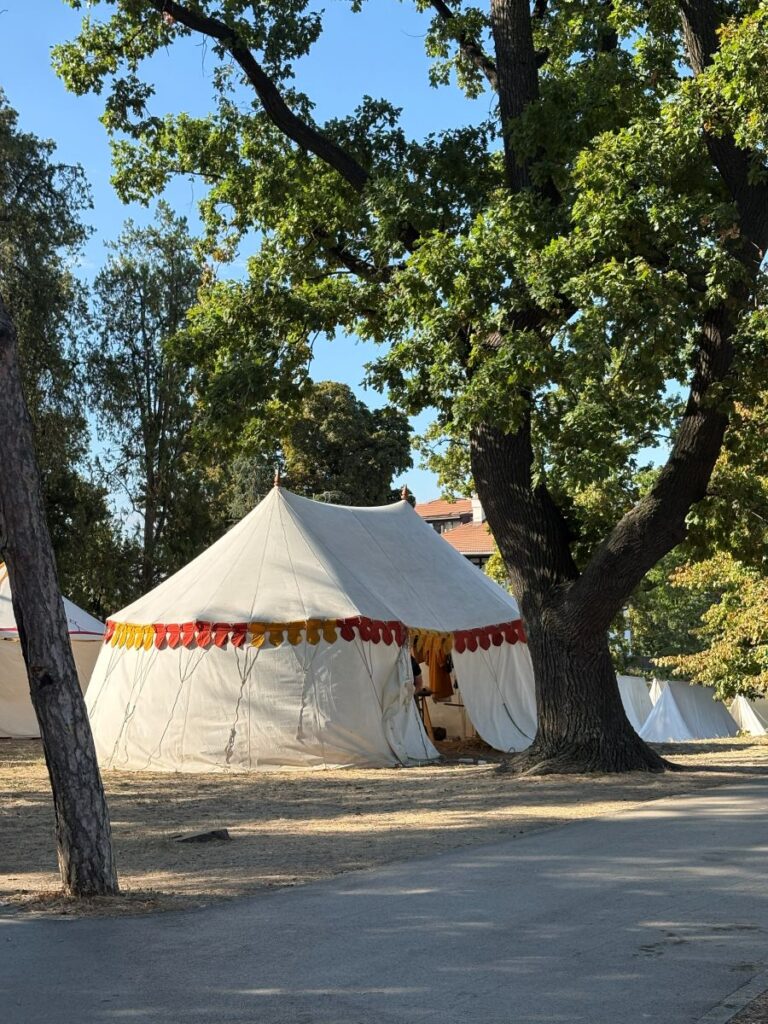
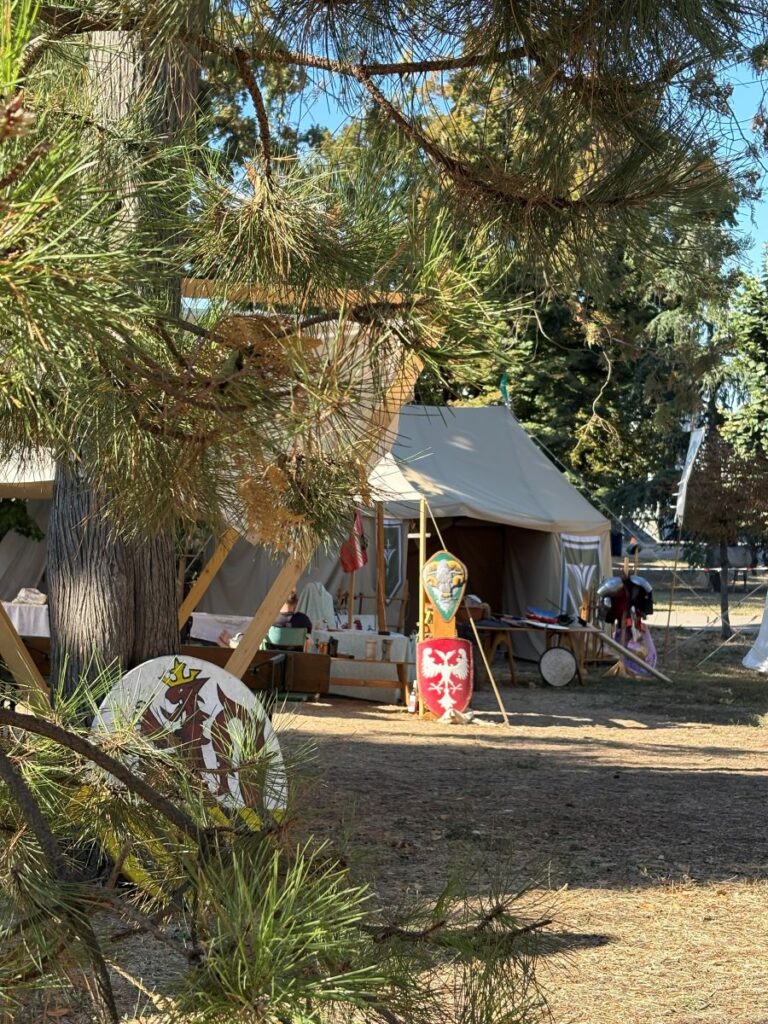
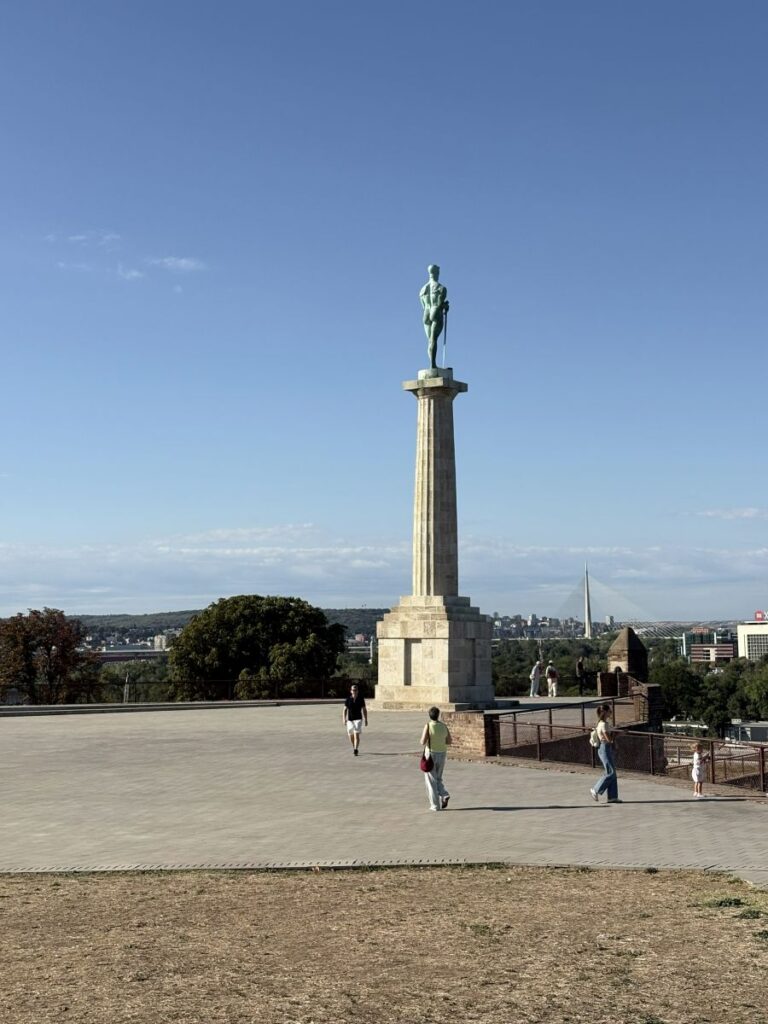
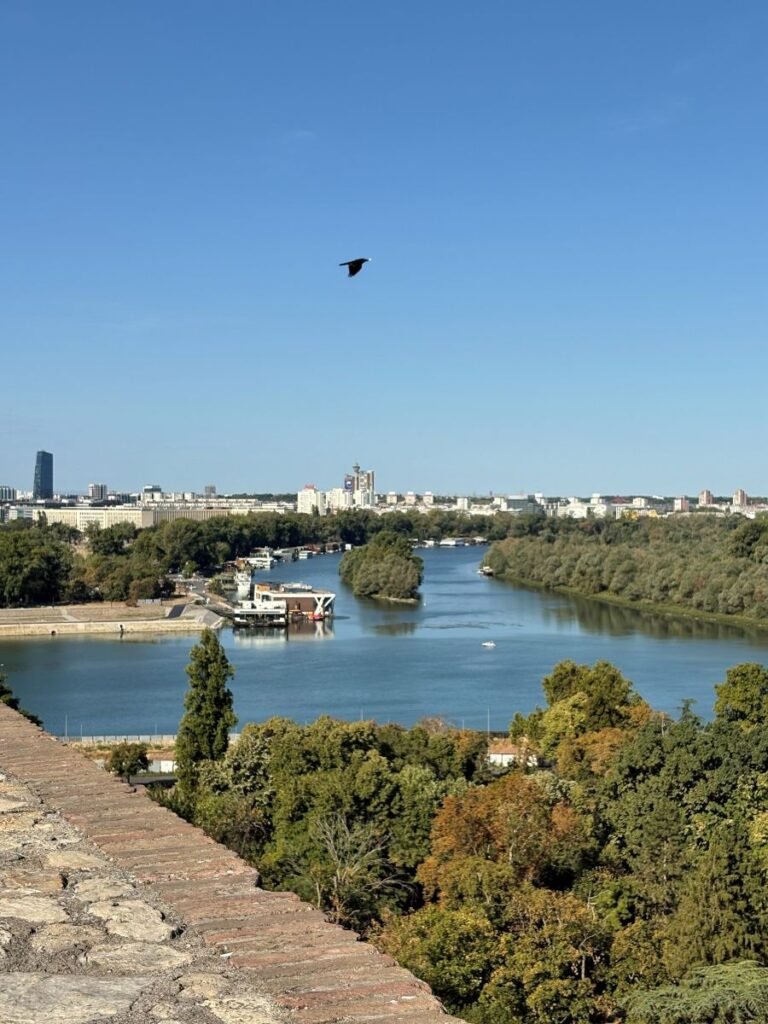
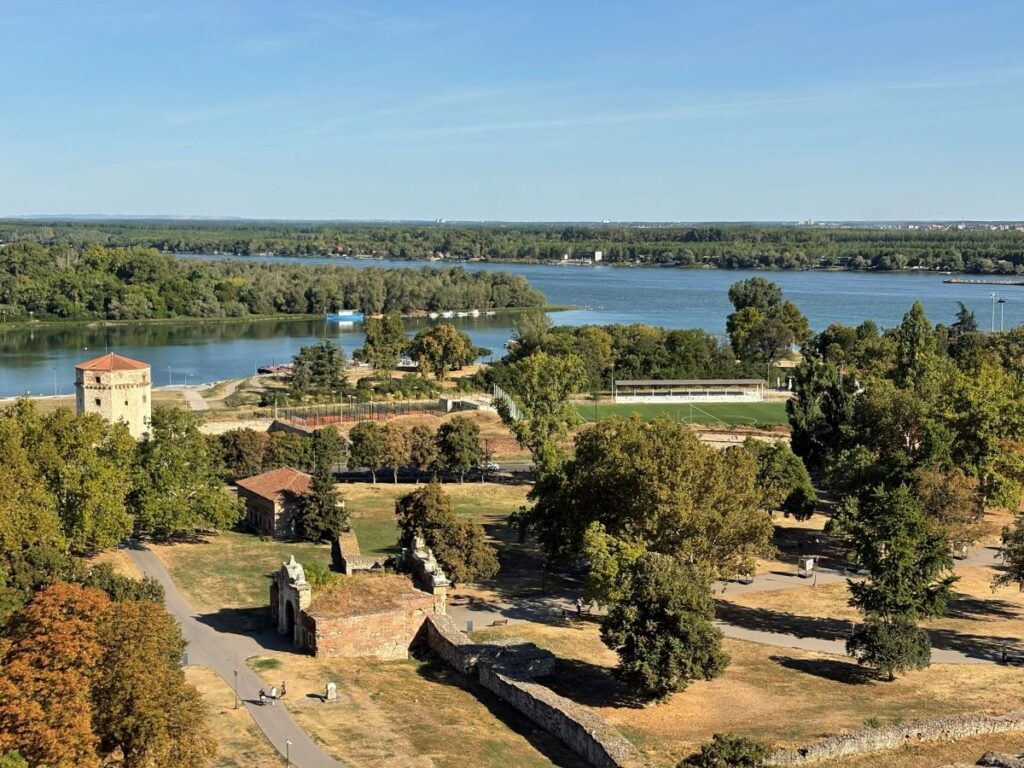
A short way down from there is the 14-metre-high statue called The Victor, built in 1928. He represents the victory of the Serbians over the Ottomans and Austrians. This is the best spot for views of the confluence of the Danube and Sava rivers too. An amazing space to see all around, across the rivers, down into the Lower Town and even part of the city’s newest feature, Belgrade Waterfront.
Lower Town
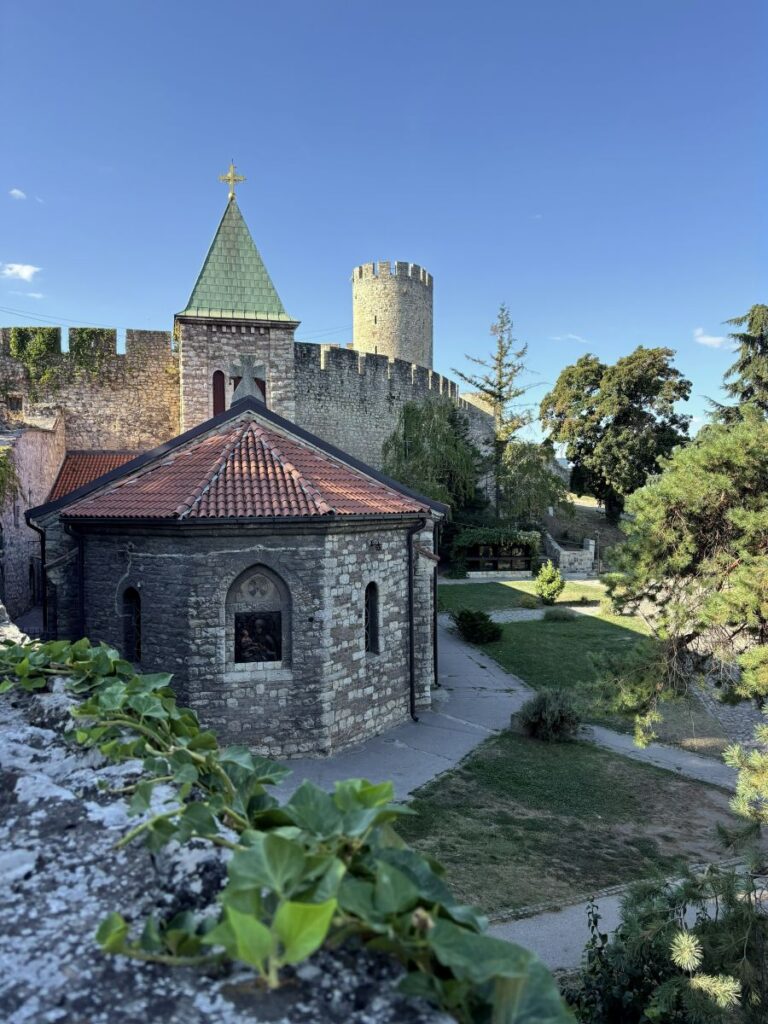
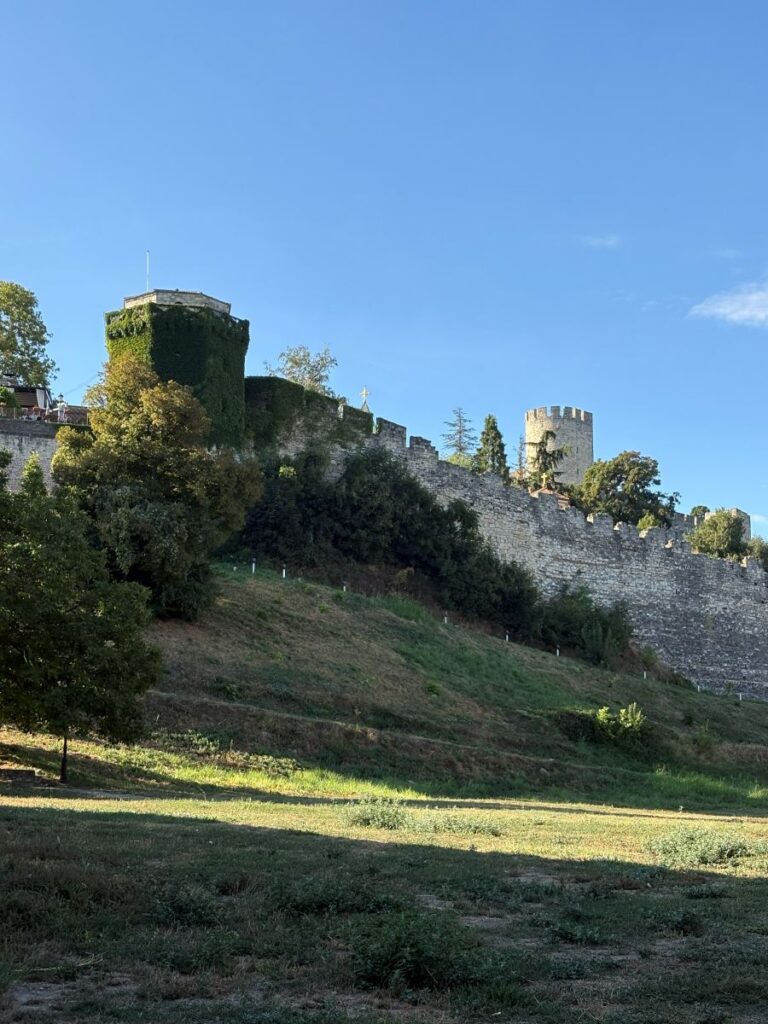
Lower Town is the area around the fortress that is on the slope from the peak to the park. It includes a medieval tower, two churches and lots of ruins and walls. Incredibly picturesque, much of the white limestone is covered in ivy. Walk the narrow paths and climb the steps to explore Lower Town in full. This part of the historical city is where the people lived, worked and traded. It was a bustling medieval town and ironically is one of the quietest places in Belgrade Fortress today.
Kalemegdan Park
The sizeable flat area surrounding Belgrade Fortress is a beautiful historical park full of interesting things to see. Locals will use this space daily to walk their dogs and exercise on the myriad of paths that snake their way through the landscape.
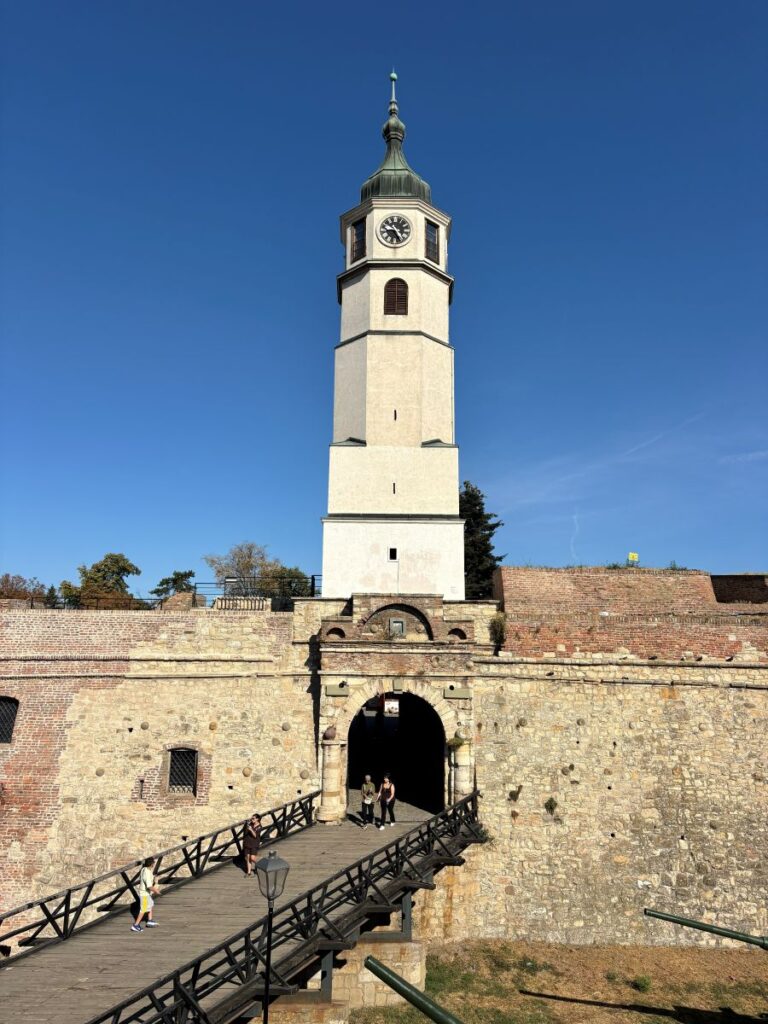
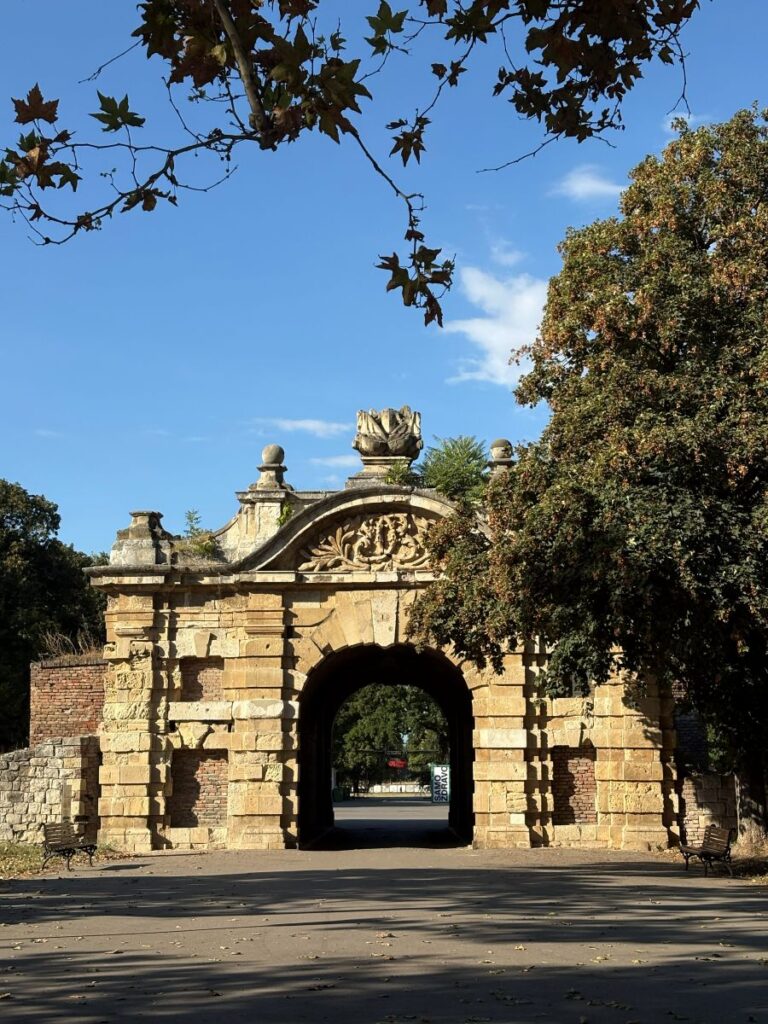
The main entrance to Upper Town is from Kalemegdan Park and is perhaps the most stunning. A gate built by the Austrians in the 18th century includes a clock tower that was used as the main timekeeper for the city. Walk around and explore this park fully. There are many historical landmarks, gates and such to see and pass through. You might hear some unusual sounds as you pass by the zoo which is located in Kalemegdan Park too.
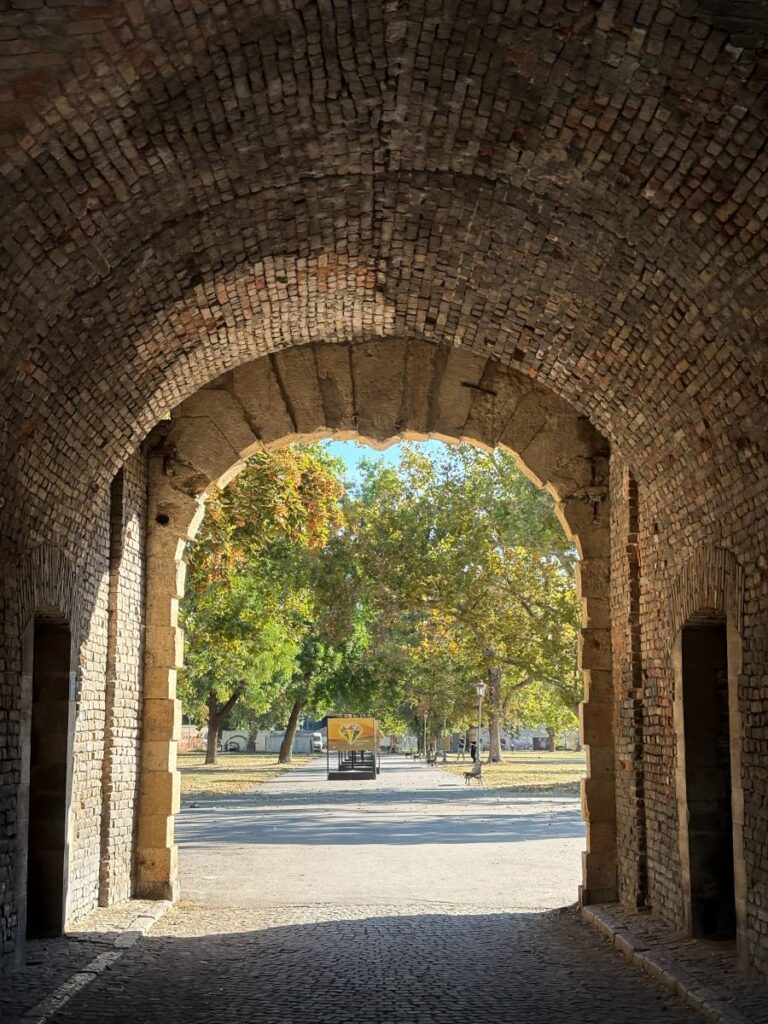
Belgrade Fortress is completely free to enter and explore. There are small museums and other things that do require payment, but for the most part, visitors are free to wander and discover the site at their leisure. Its an amazing place really, full of history, and the actual physical location of where the city of Belgrade first came into existence.


