My interest in these ancient people has been aflame since I began exploring their underground tombs in Montepulciano. Reading about them, not a whole lot is known. Fortunately, I find myself in the exact place to learn a great deal more. MAEC & the amazing Etruscan history in Cortona is full of treasures I want to show you. Plus, a completely unexpected surprise!
MAEC
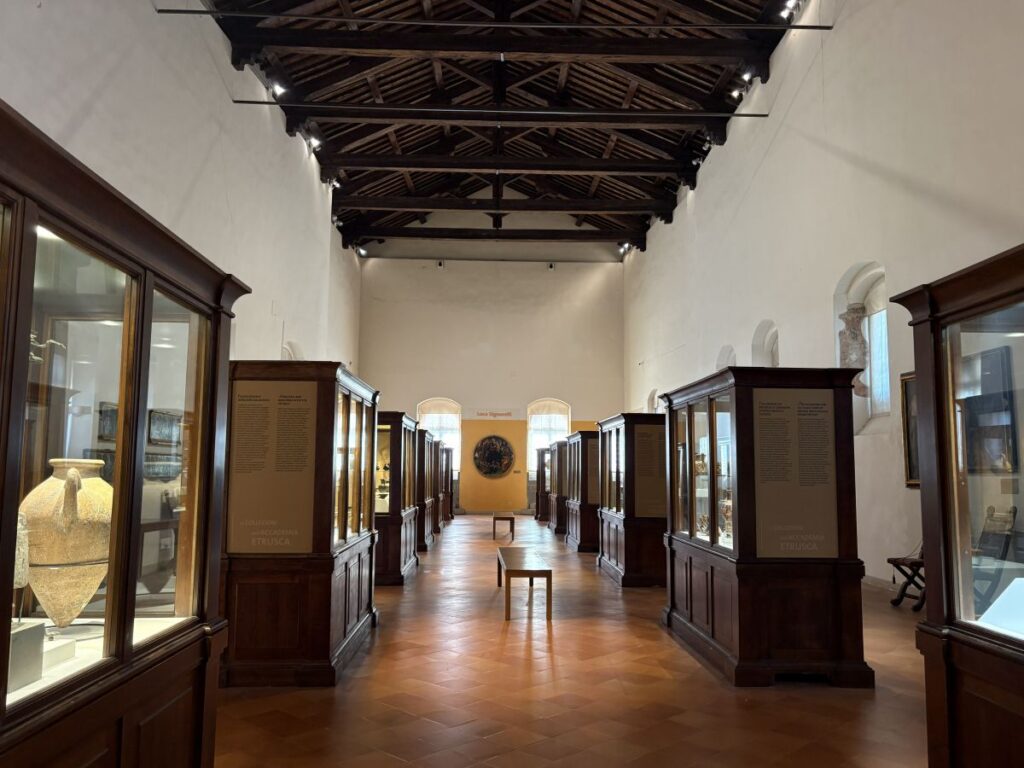
The Etruscan Academy Museum in Cortona (MAEC) was originally formed in 1726 as a society to collect books. The following year, a significant and sizeable gift of rocks, fossils and Etruscan treasure was donated in addition to two magnificent and huge globes.
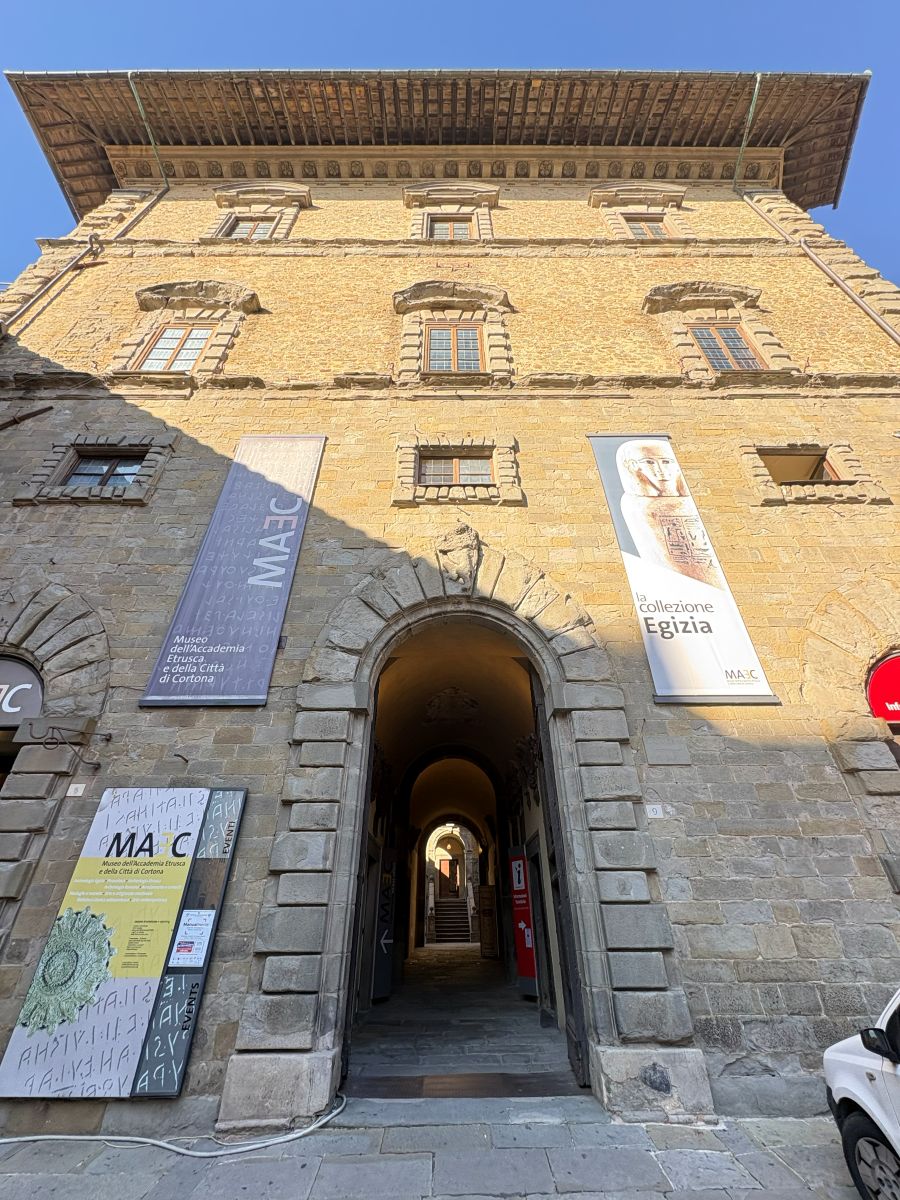
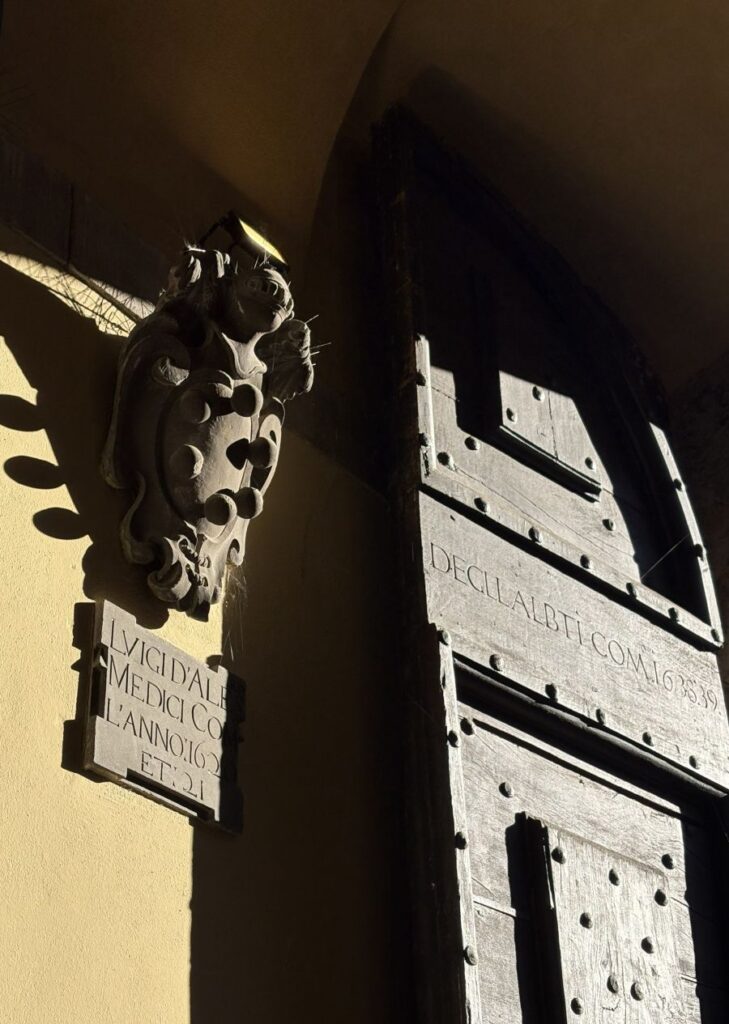
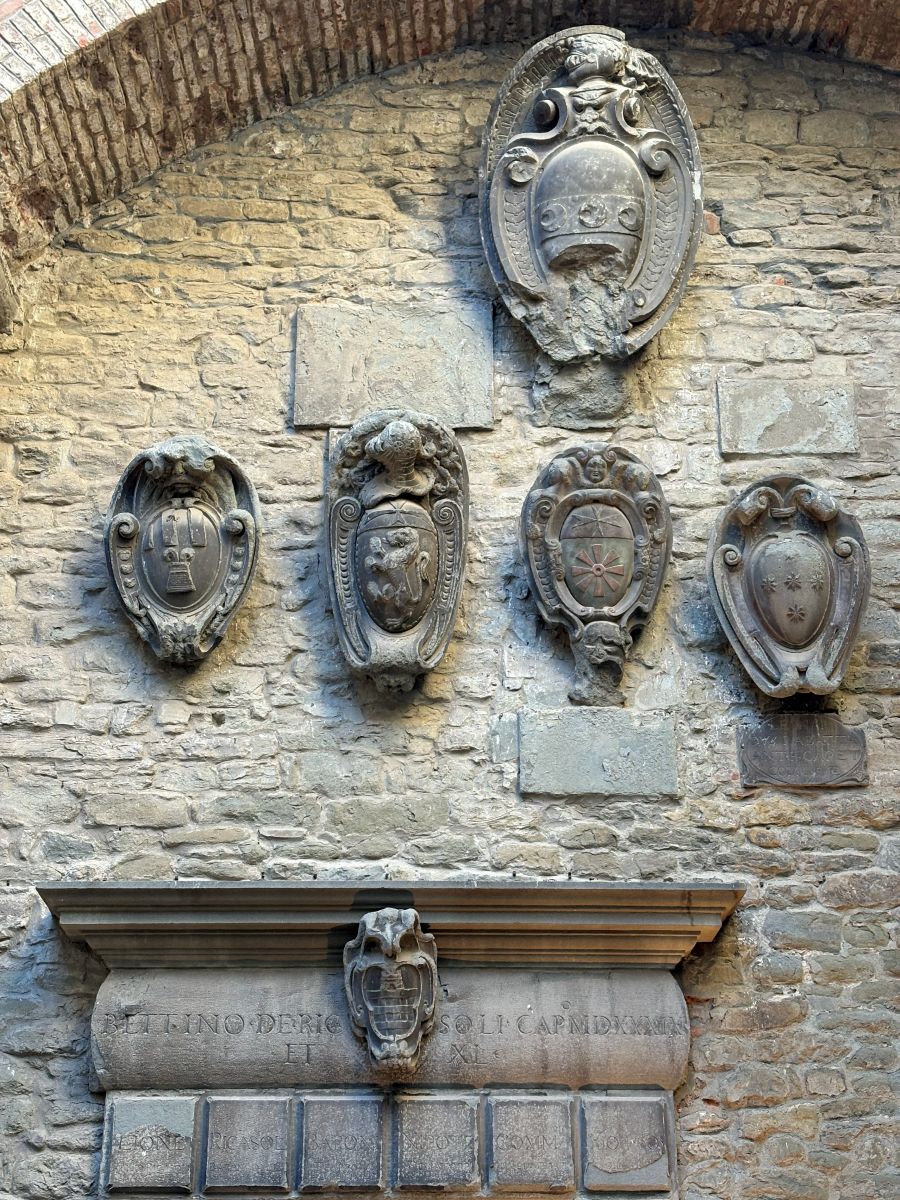
The Palazzo Casali became the home for all of these objects and the collection has grown ever since. The palace was built in the 13th century as the residence of the Casali Family. In the 15th century, it was used as a headquarters for the Florentine captains and was subsequently covered in their coats of arms. A wonderful building, it offers several floors with which all displays are housed.
Etruscan Floors
The subterranean floors that used to be the prison, are where most of the Etruscan antiquities are displayed. There are thousands and they are incredible! A civilization that dominated the region from the 10th to 1st century BC, they gave Tuscany its name.
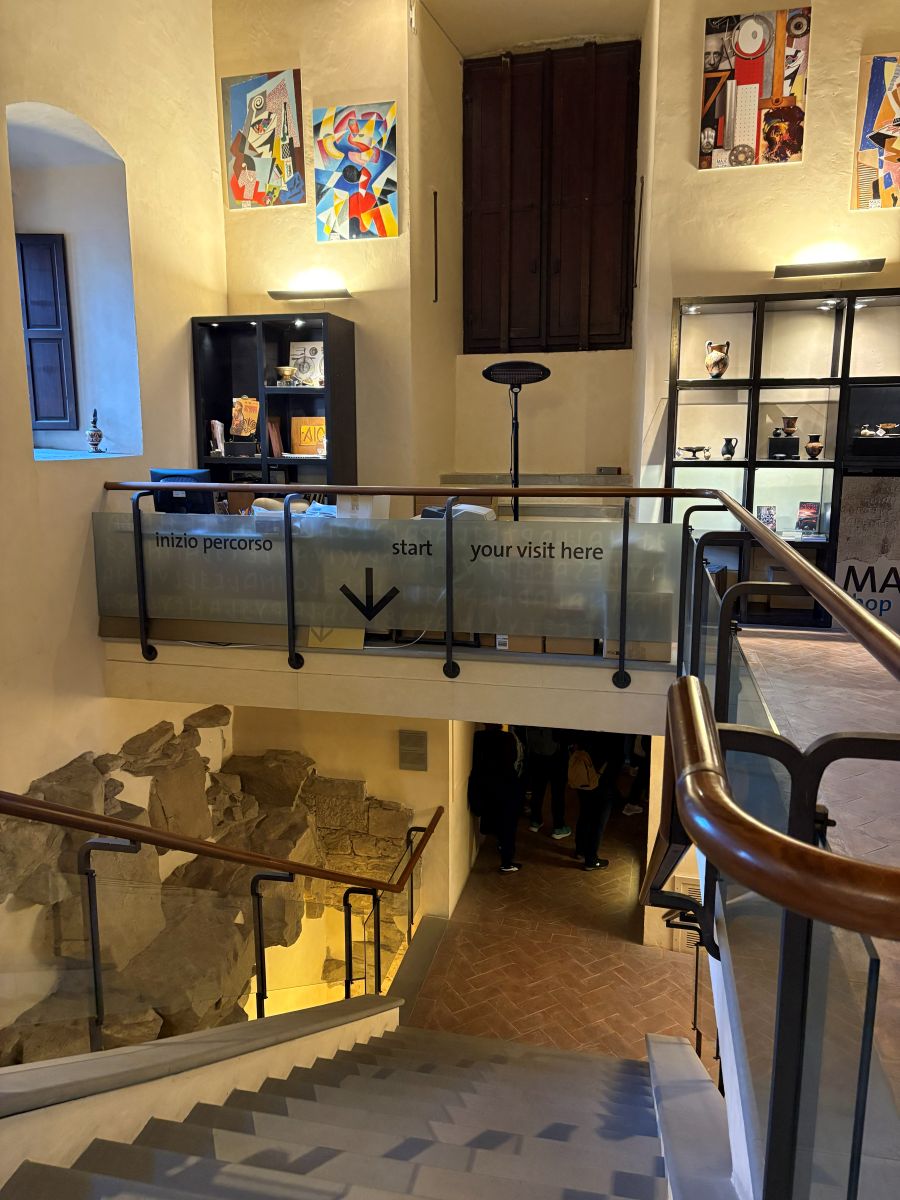
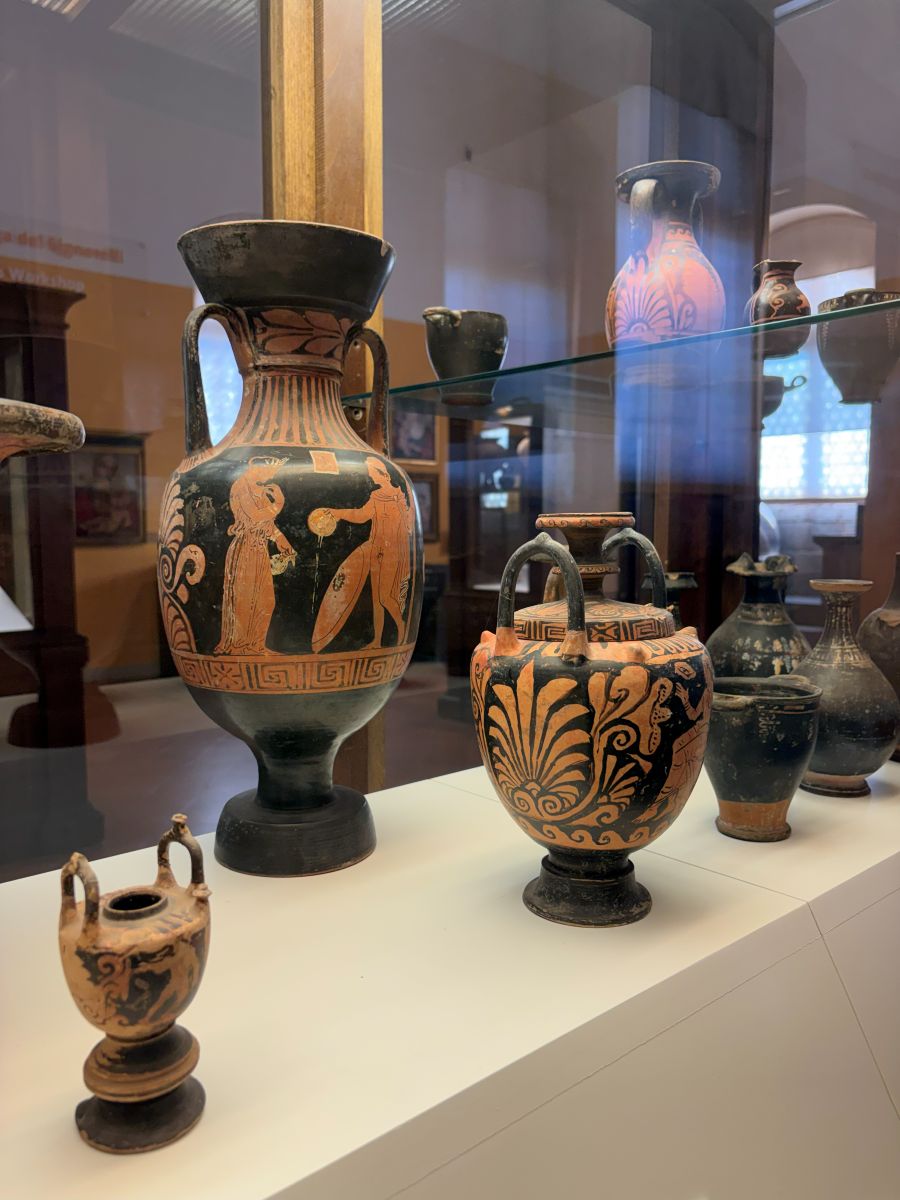
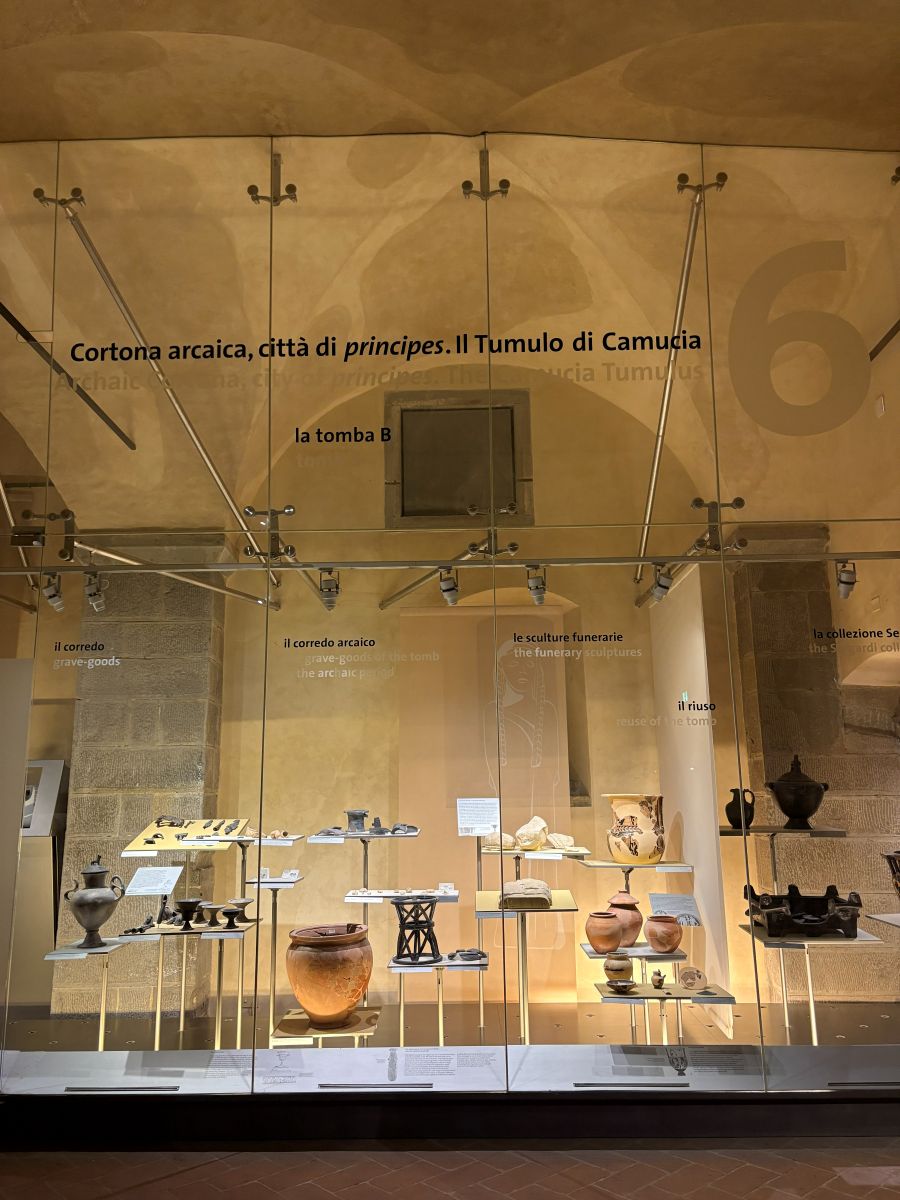
Most of the evidence of their existence was wiped out by the Romans who conquered them; however these treasures have primarily been found in the tombs, buried deep inside the earth under their city-states.
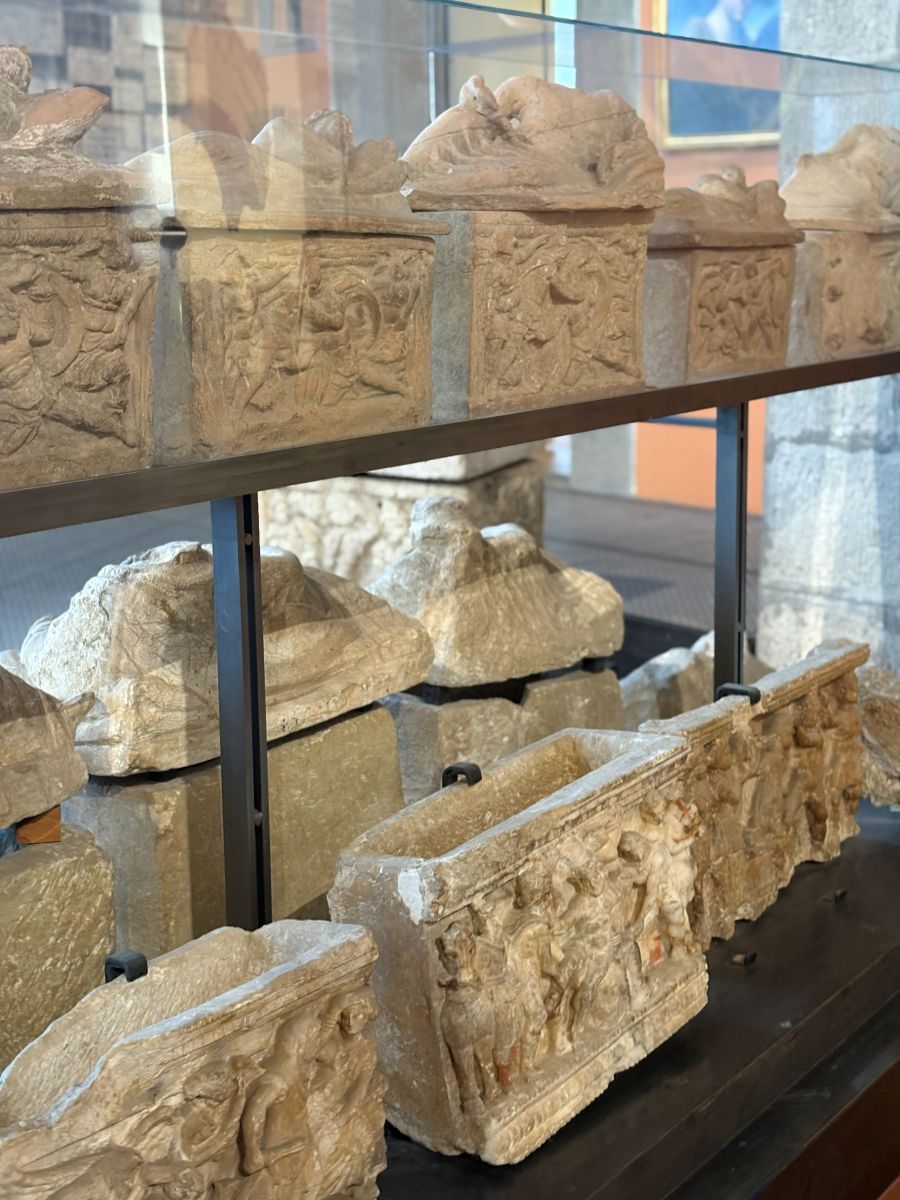
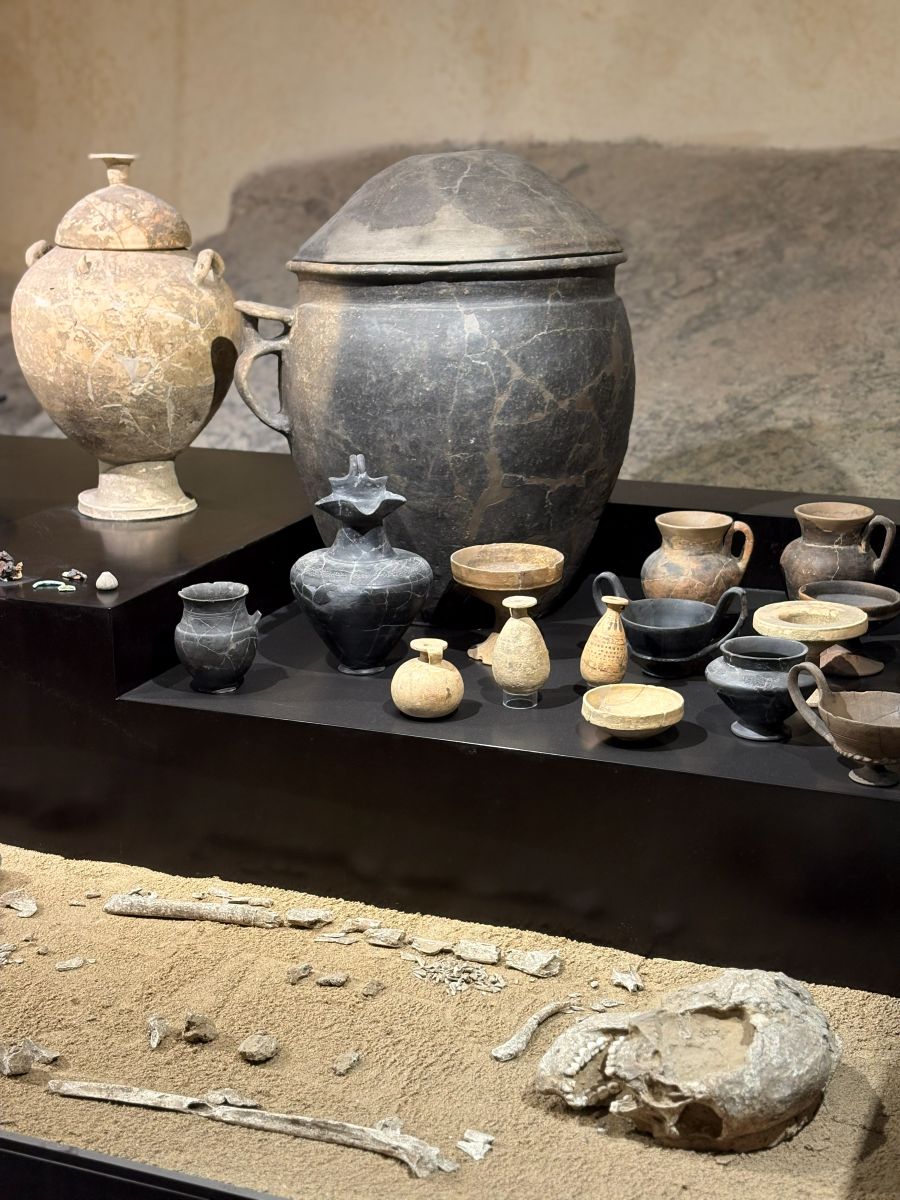
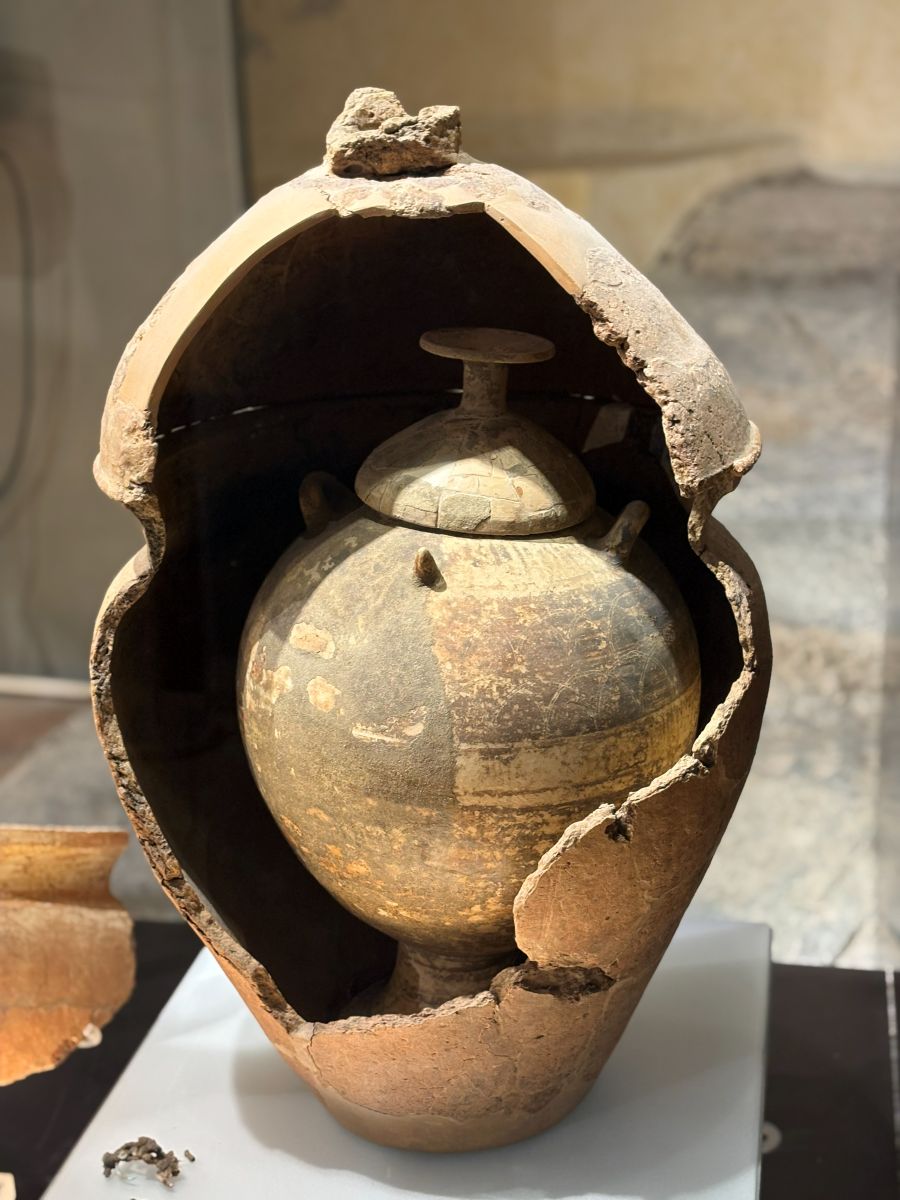
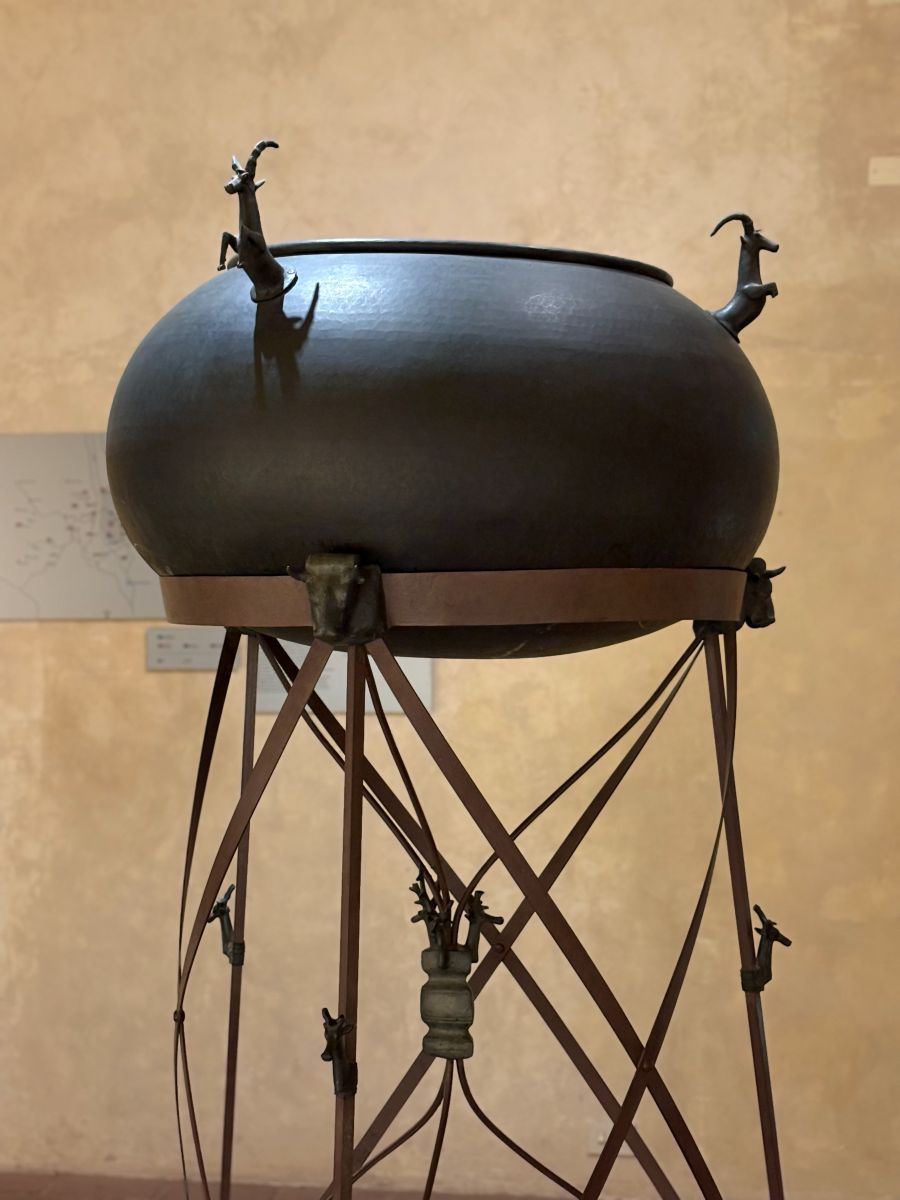
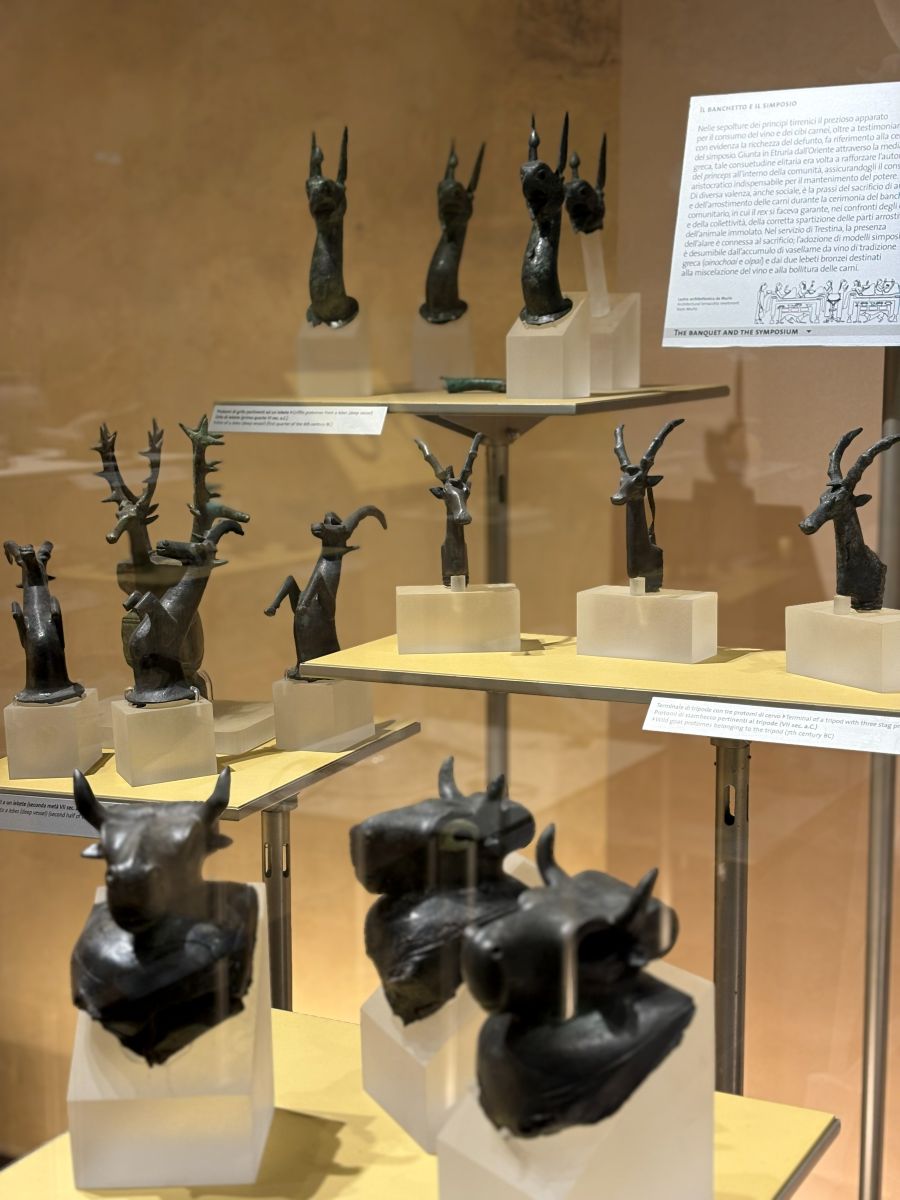
I marvel at the detail and variety of figural elements in this collection. It’s quite amazing to see just how advanced and creative this culture was.
Chandelier
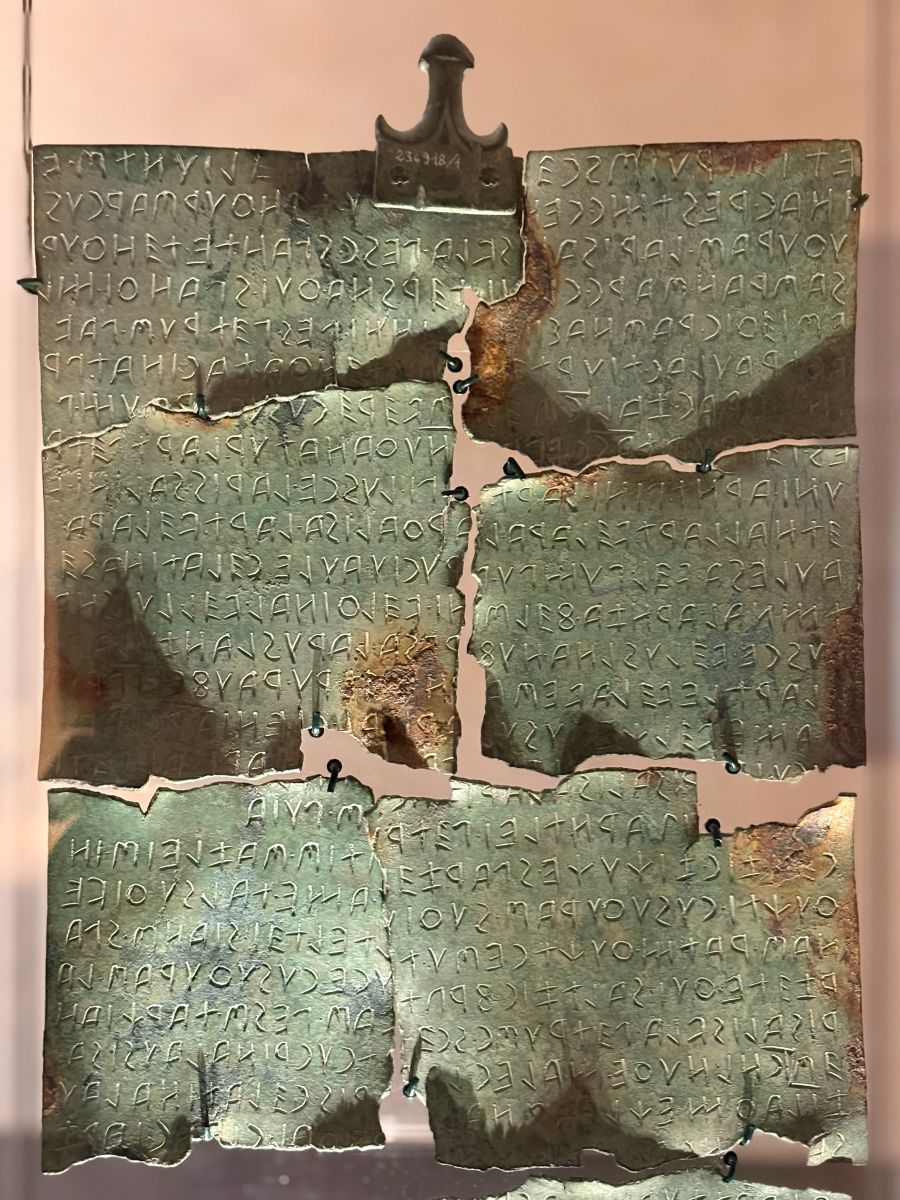
Two of the most precious treasures in the Etruscan collection are a tablet and this large bronze chandelier. An accidental discovery made in 1840; it would have been placed above an altar inside a sanctuary.
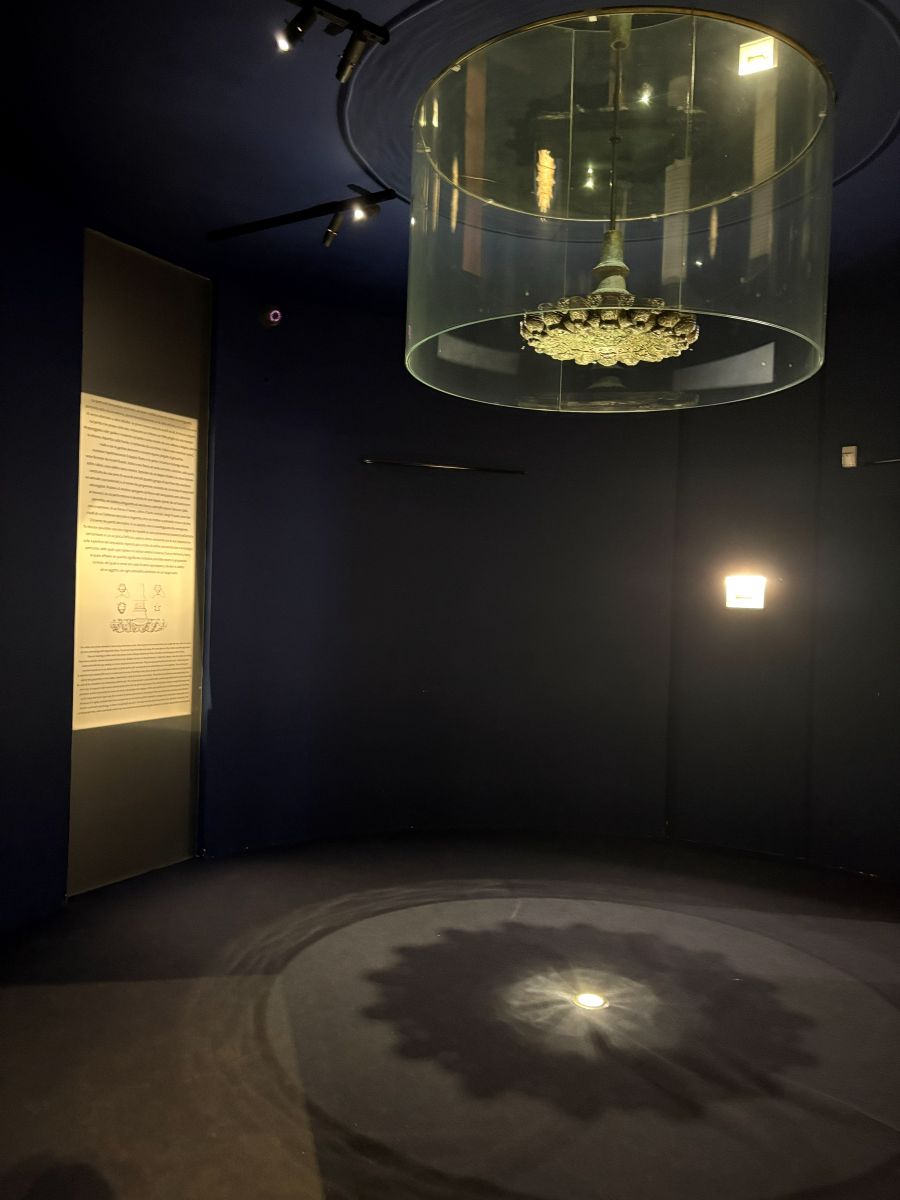
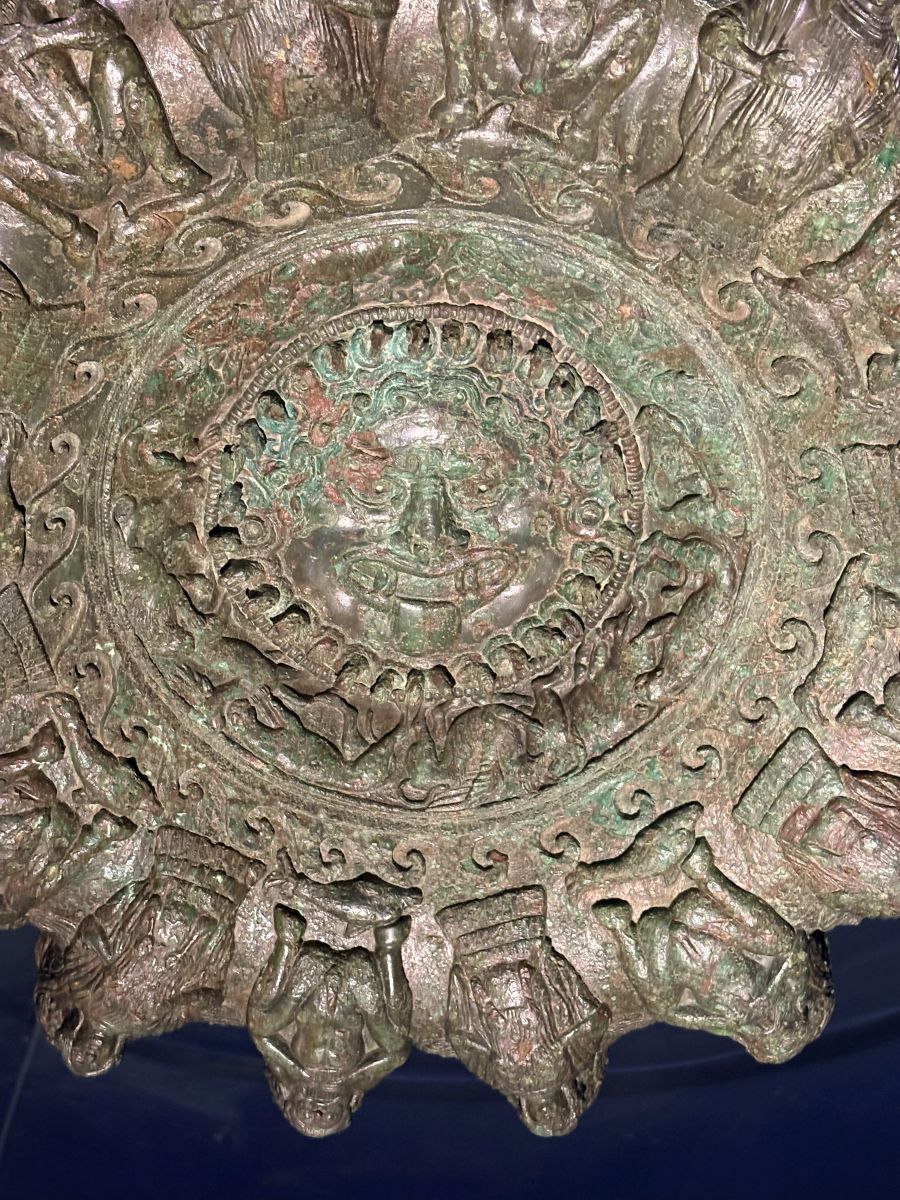
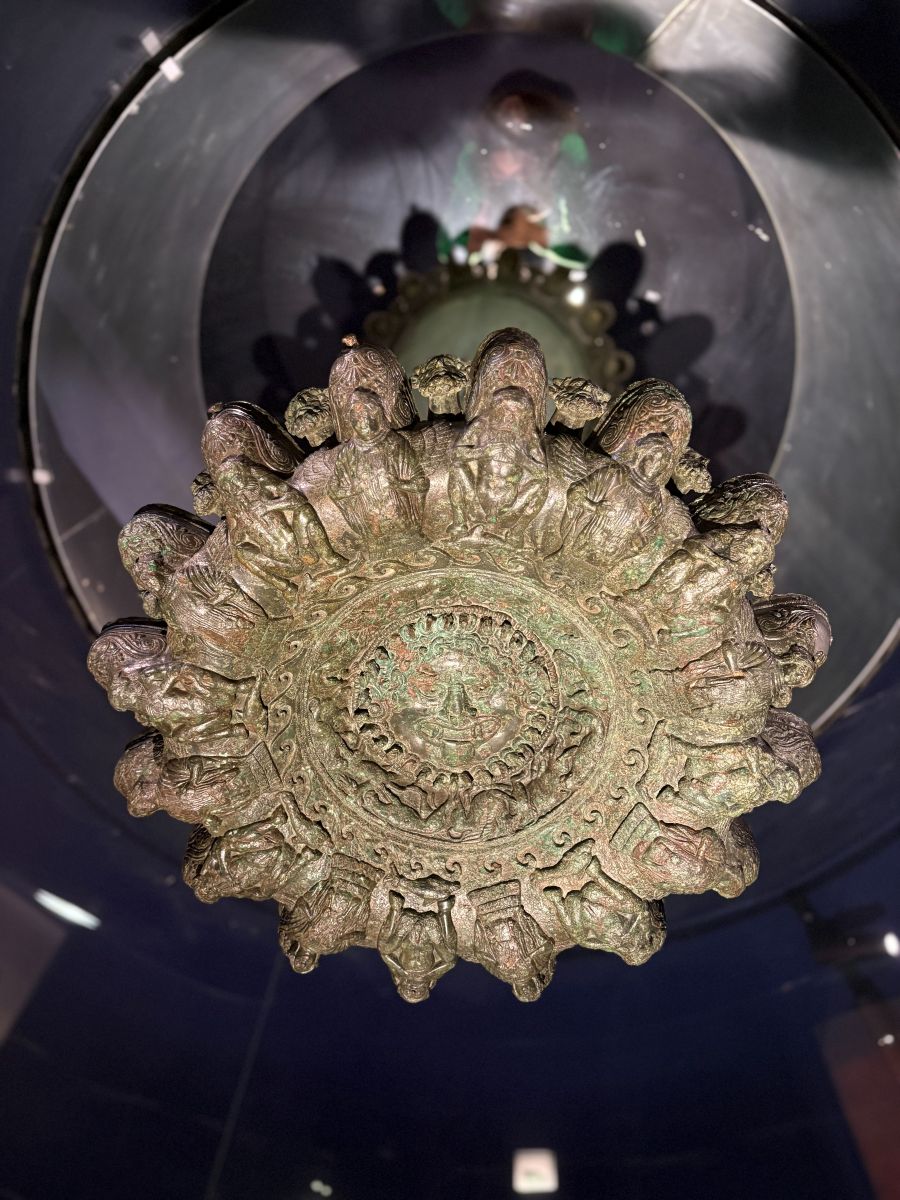
Each of those faces around the outer edge is a different person, thought to have been travelling models who entered the workshop at the time of manufacture (4th c BC). Covered in intricate detail, hunting scenes, dolphins, snakes and other animals are intertwined with sirens and silens.
Tabula Cortonensis
The precious bronze tablet is basically a doubled sided legal bill of sale for a parcel of land. It describes a lawsuit that followed, lists the witnesses that were present and gives the final verdict. An example from Section I, Side A reads…’Thus the vineyard and the garden are ceded by Petru Sceva the oil merchant in exchange for 10 iugera belonging to the consortium of the Cesu….’
Globes
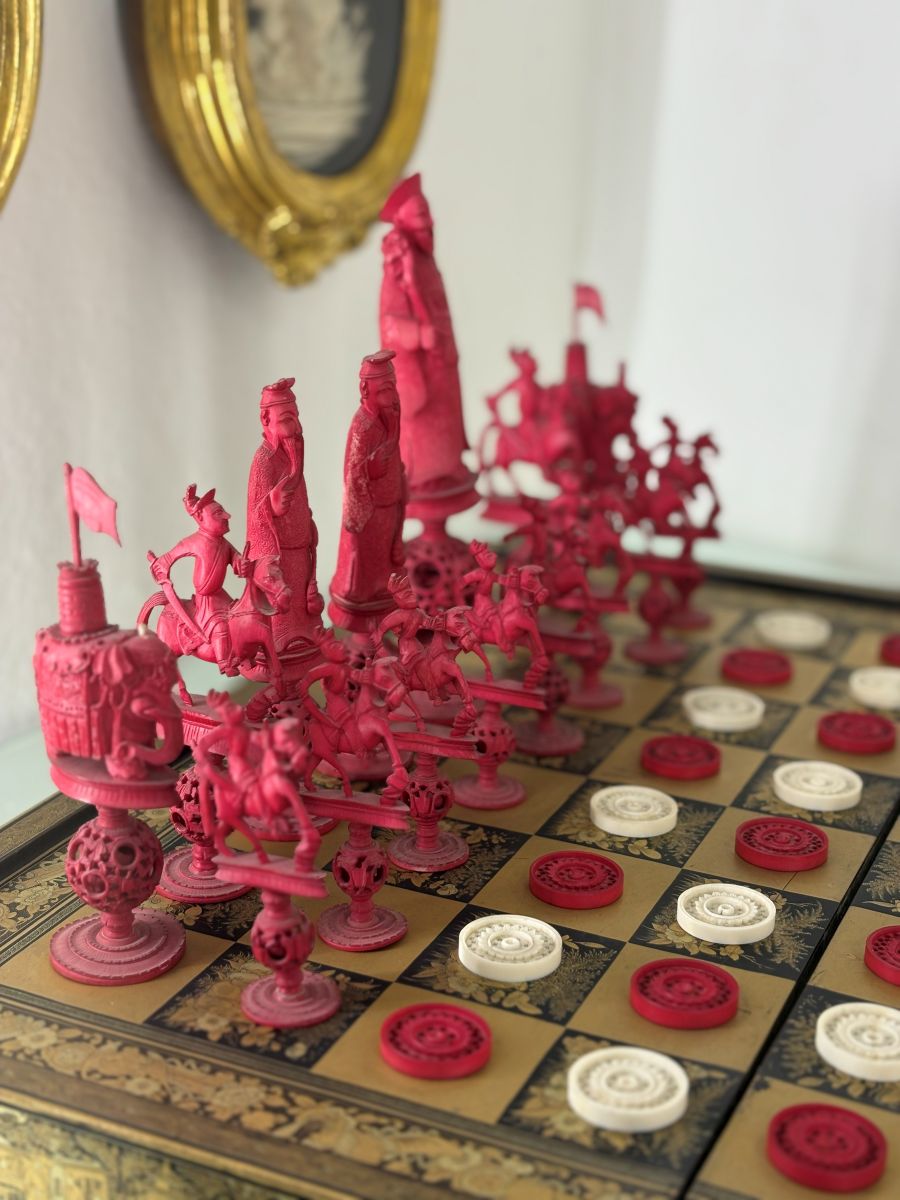
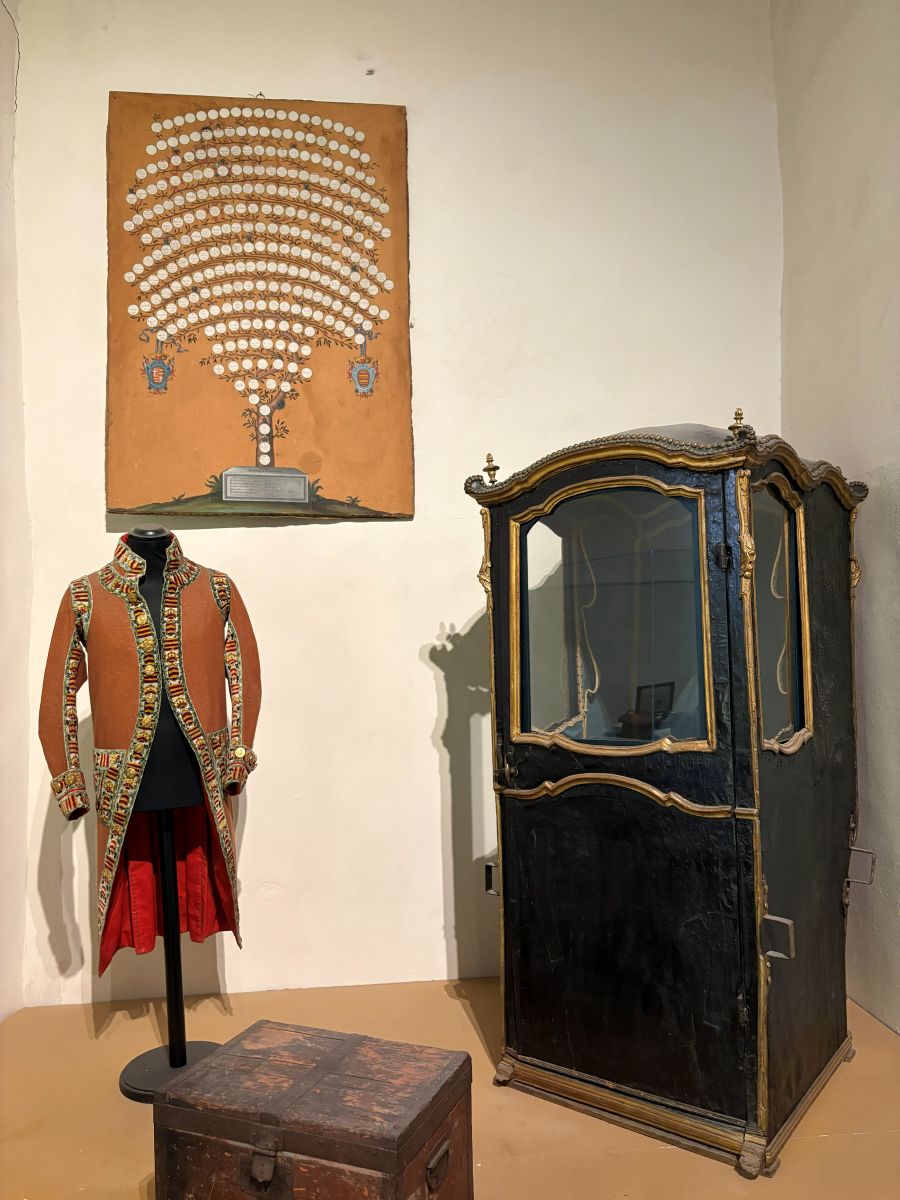
Other departments inside the museum are a large donation by the Tomassi family that include 18th century household items. Beautiful pieces of tableware, porcelain, paintings, furniture, clothing, seals, stamps, coins etc.
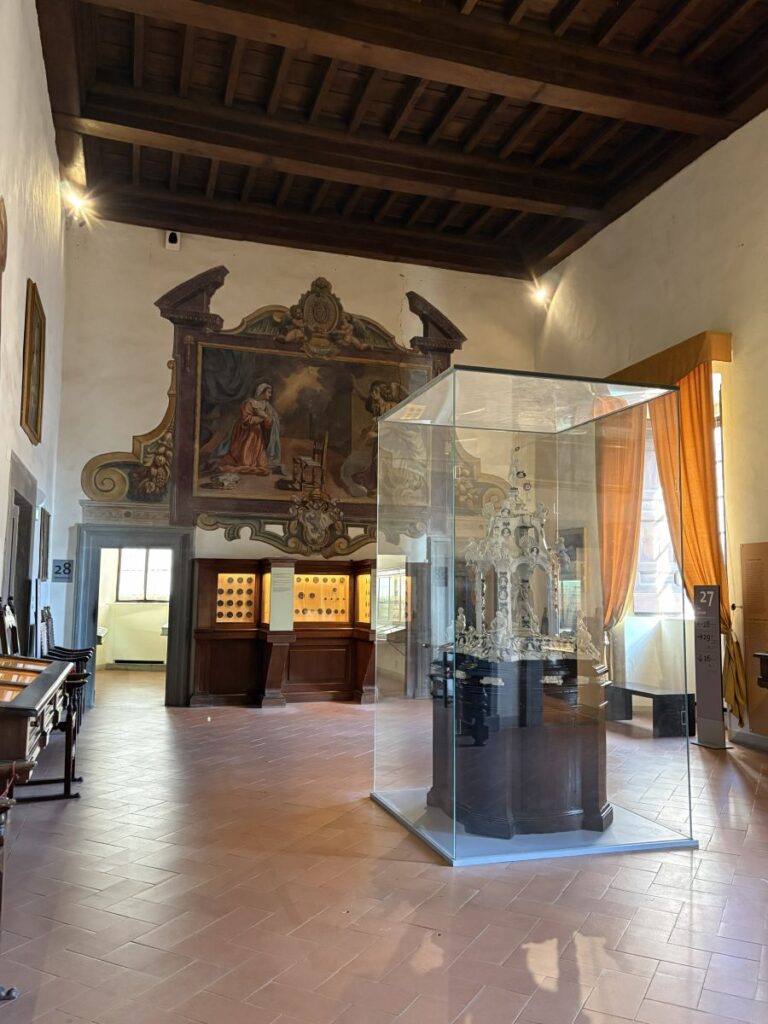
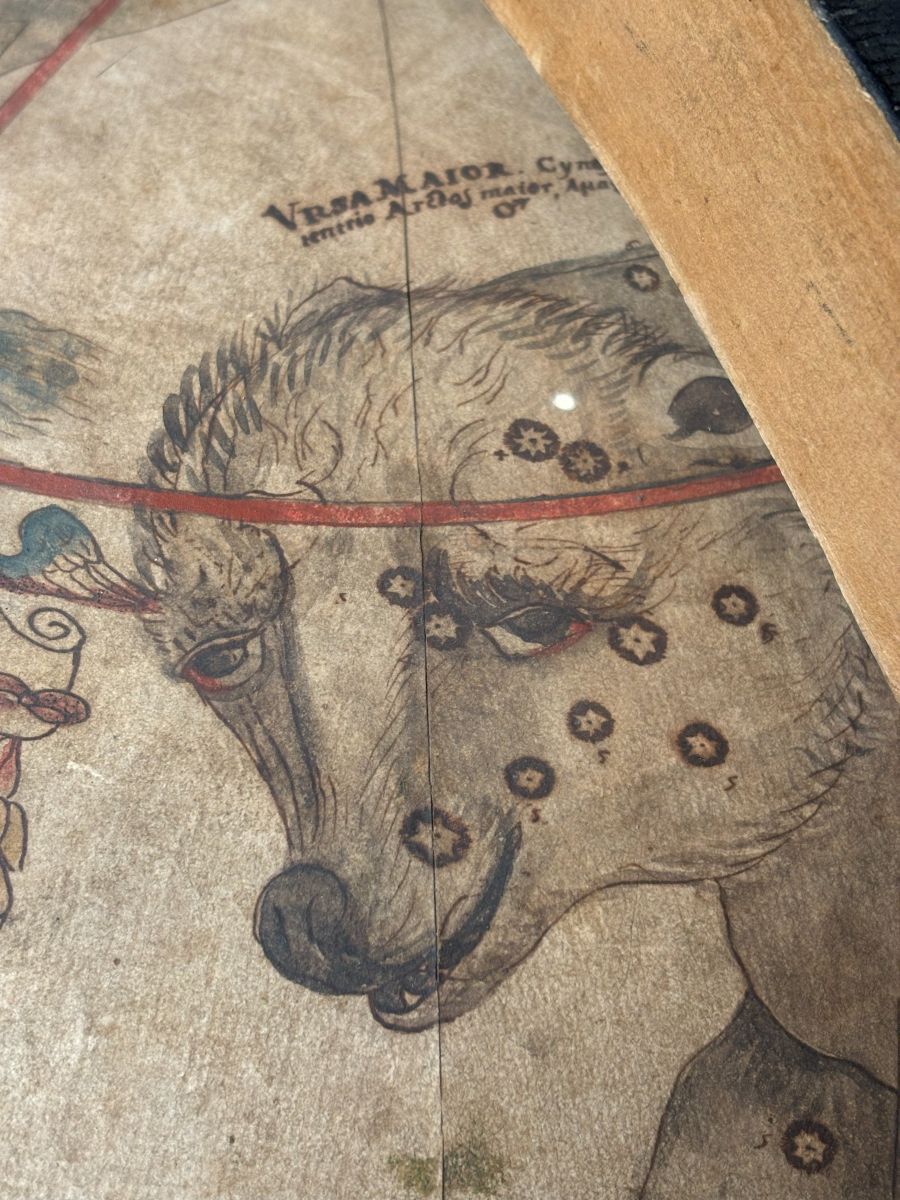
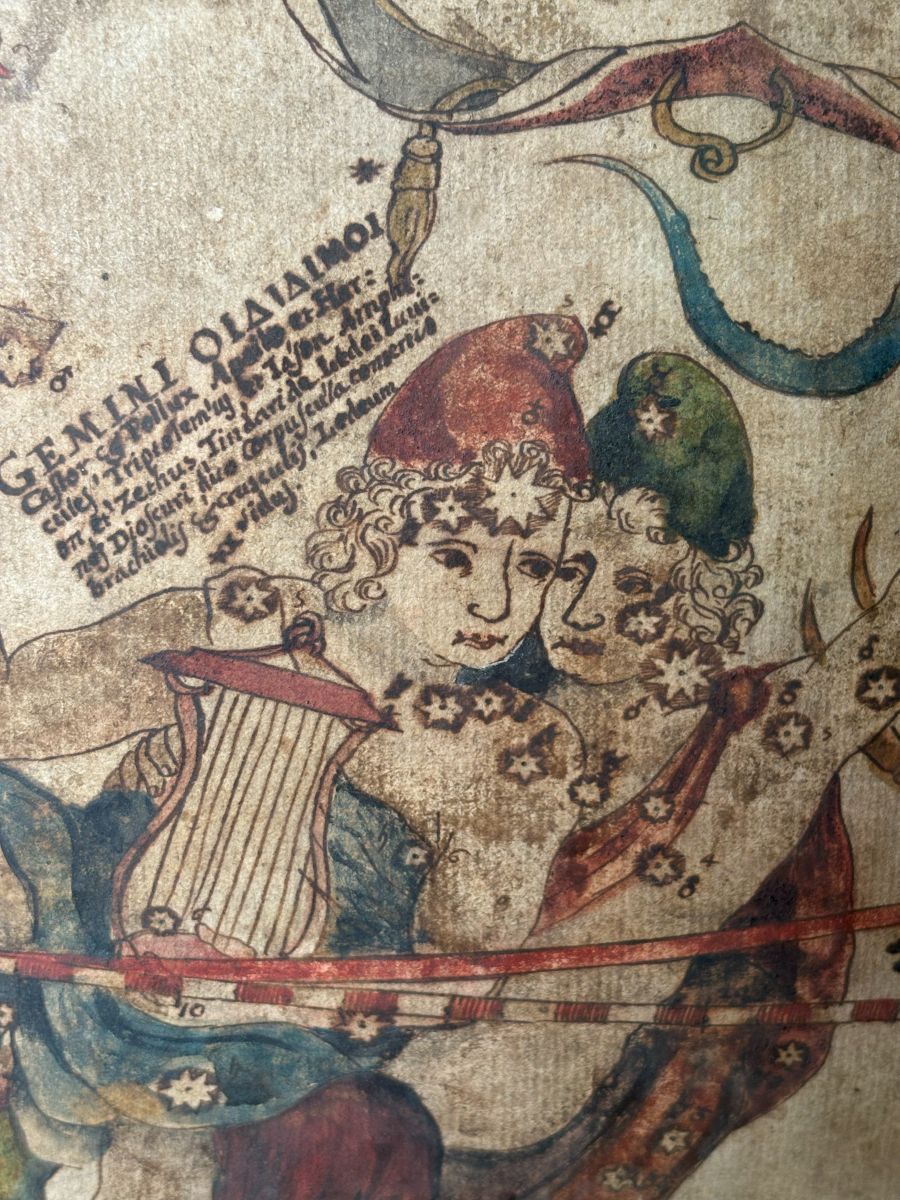
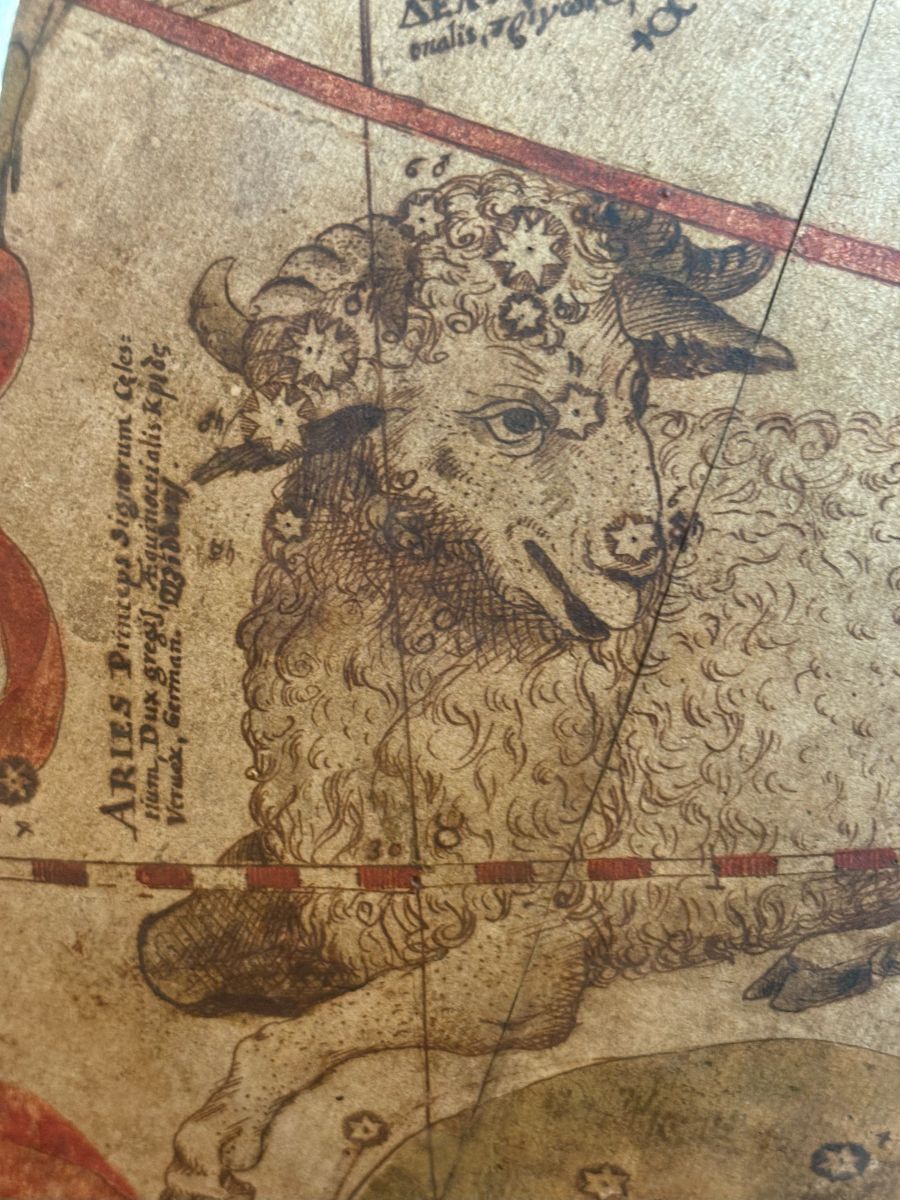
But that pair of globes, donated as part of the original collection have piqued my interest fiercely. They are dated 1714-15, one is celestial and the other terrestrial. I studied that spherical map and found it incredibly difficult to decipher, I did however locate Italy and the region I currently stand in.
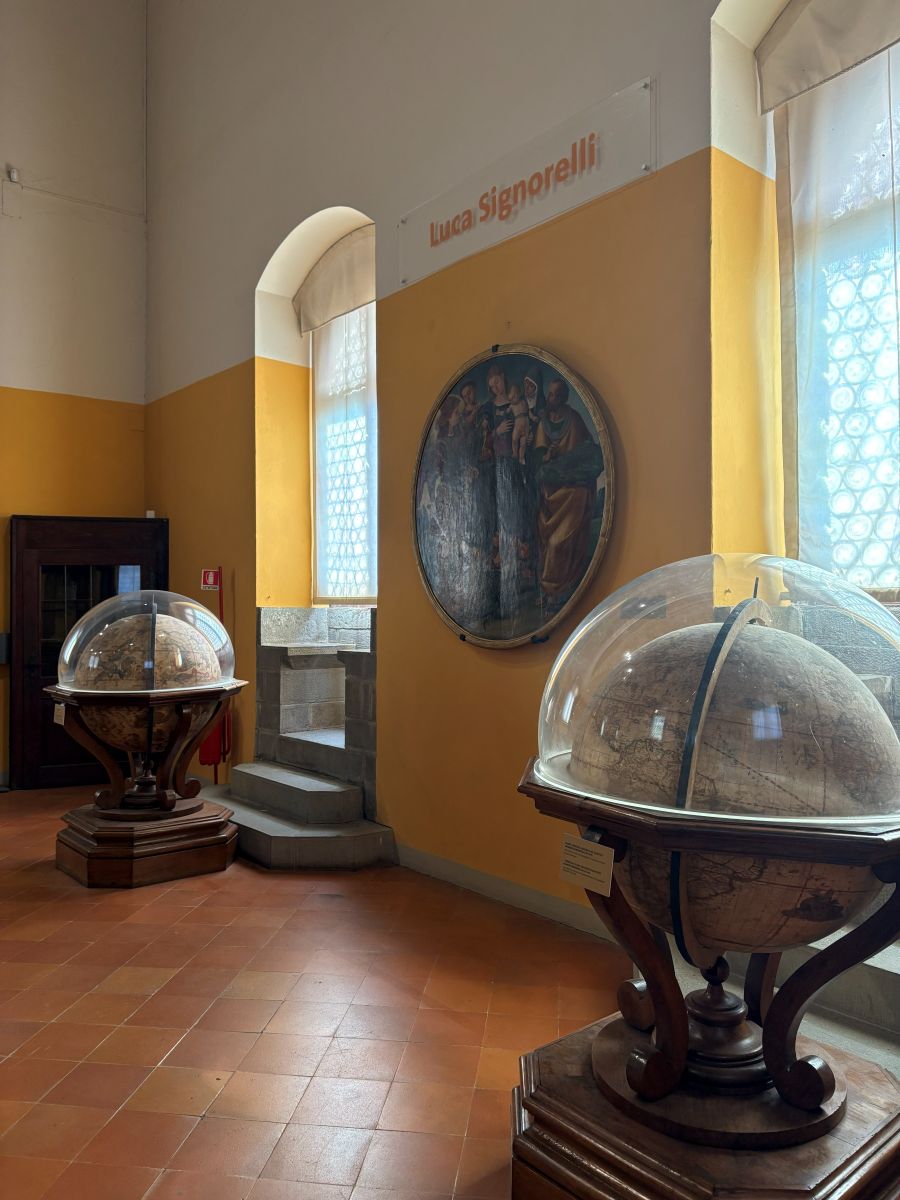
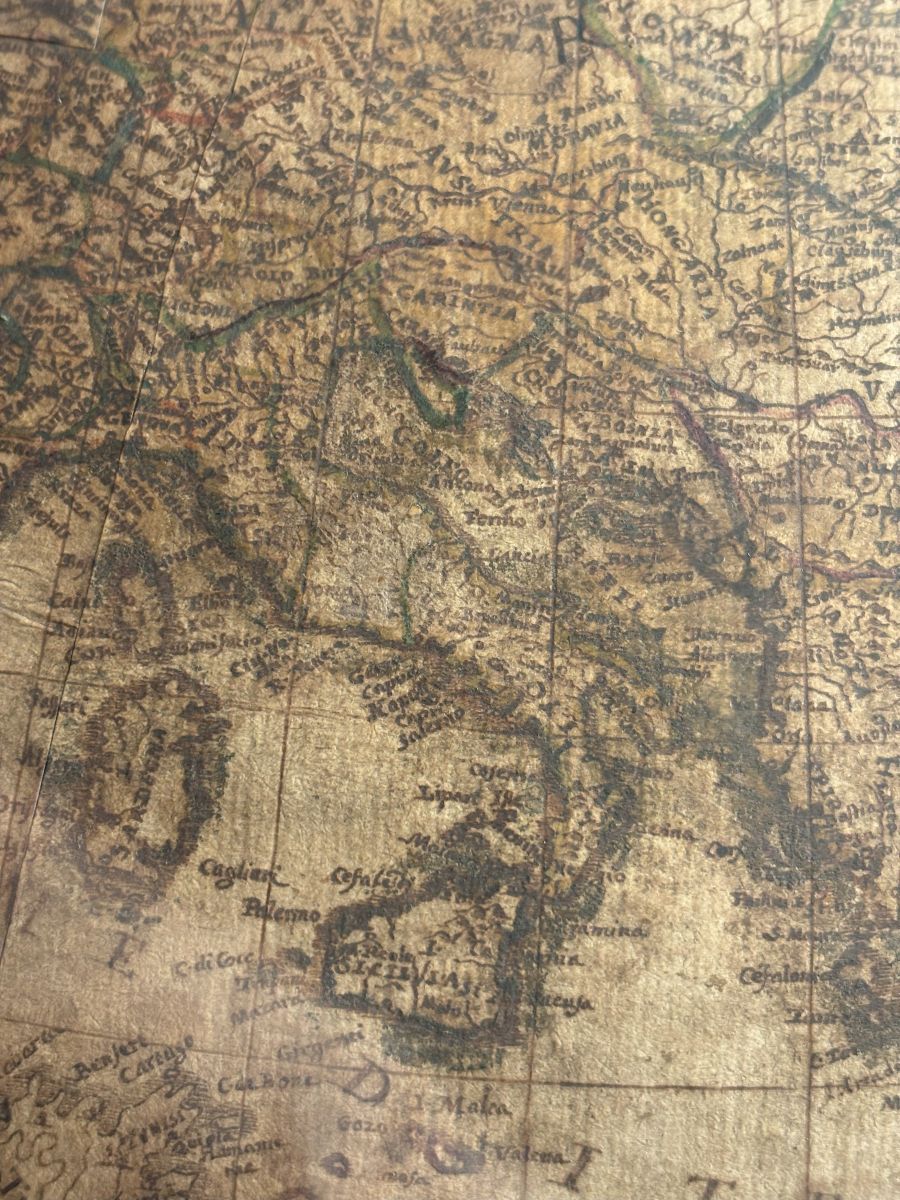
The celestial globe is absolutely marvelous! All of the zodiac signs and the illustrations are charming and fascinating to study.
The Surprise!
An entire wing on the top floor, of over 400 ancient Egyptian treasures including mummies, sarcophagi, funerary cones, stelae, statues, figurines, clothing, jewelry and much more!
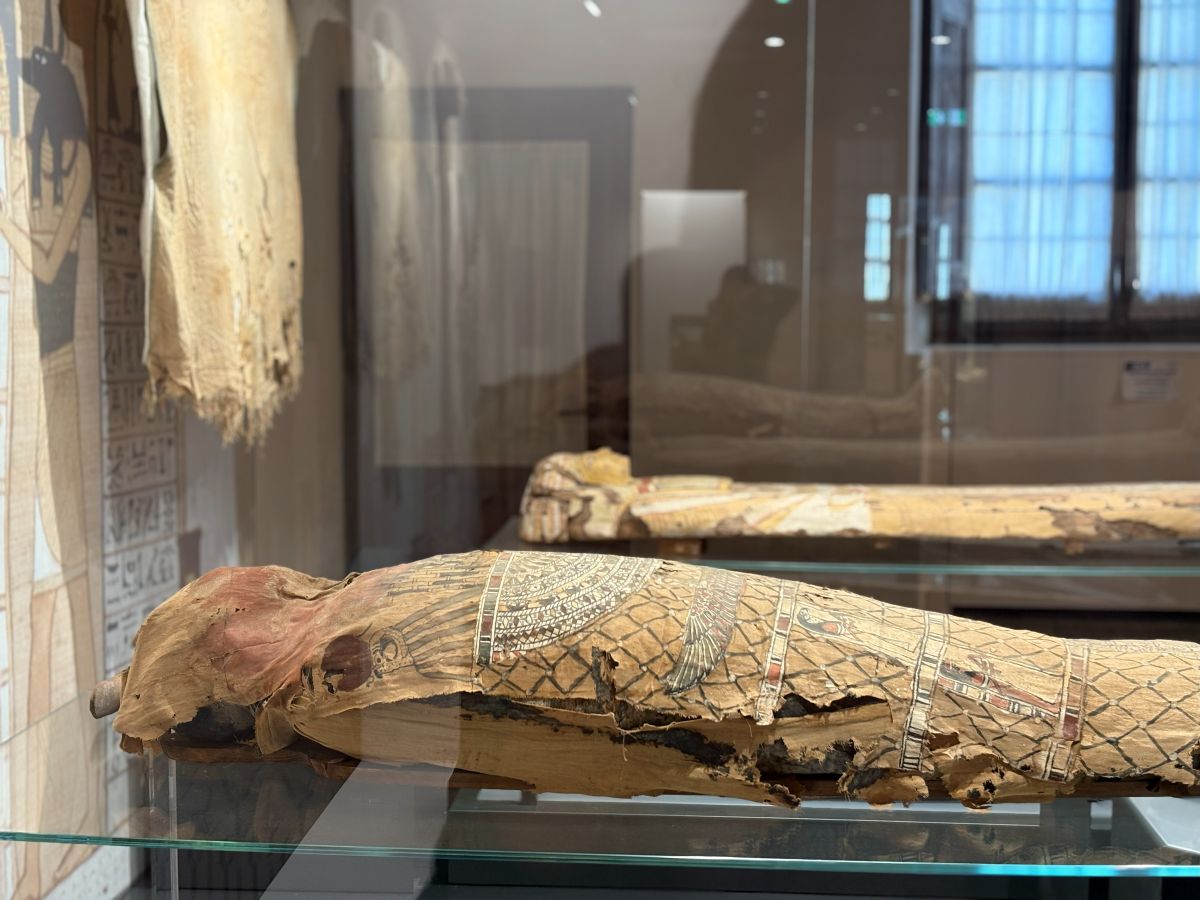
These were collected by Bishop Guido Corbelli between 1891-96. He was an Italian delegate based in Egypt and was guided by Schiaparelli, one of the leaders of the Egyptian Museum in Florence.
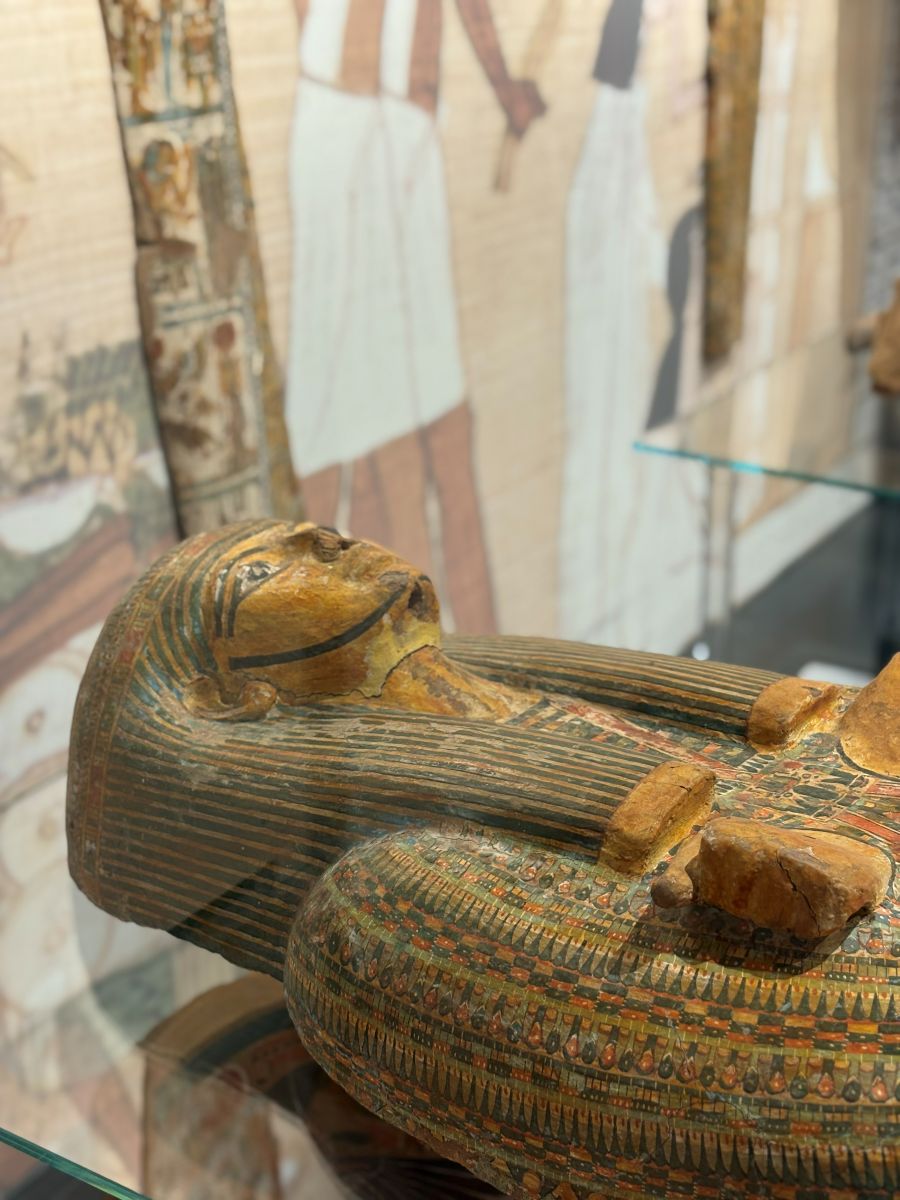
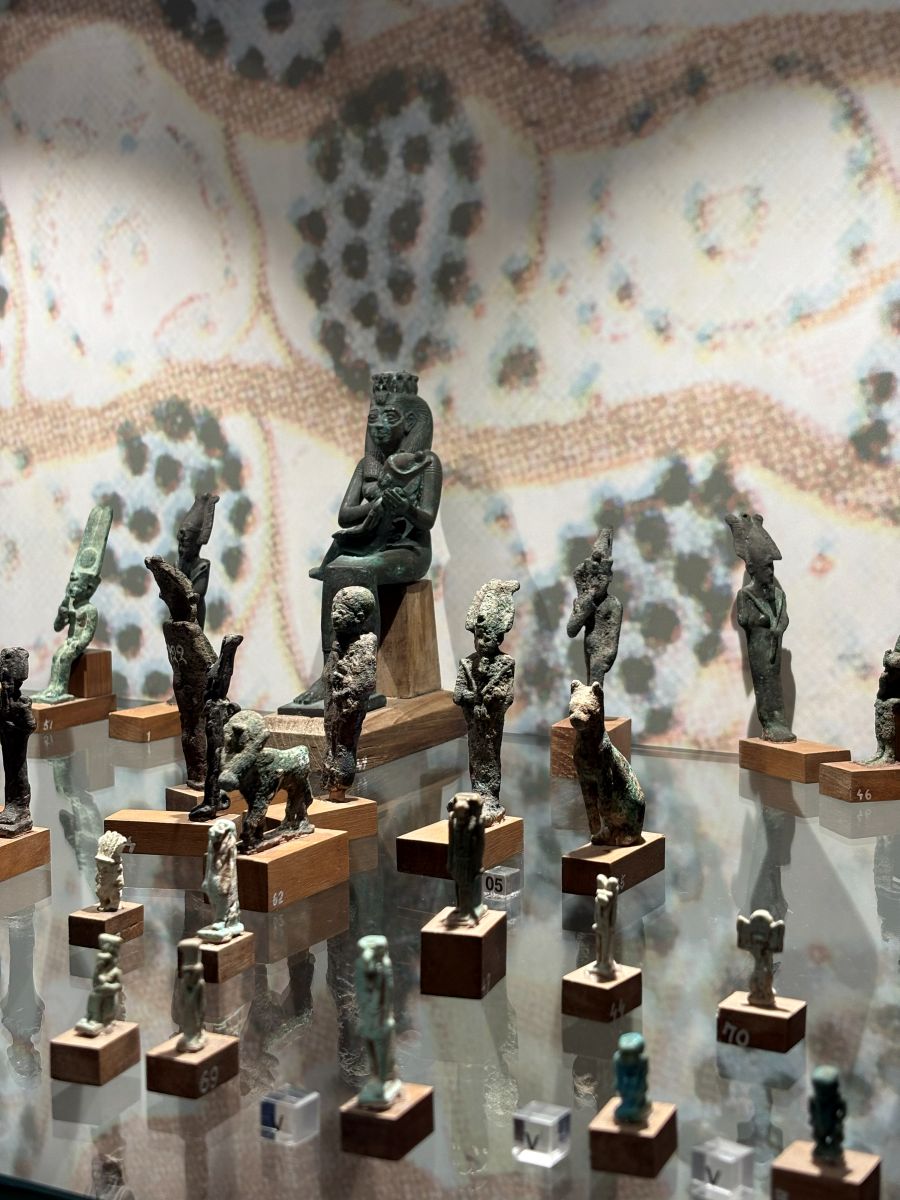
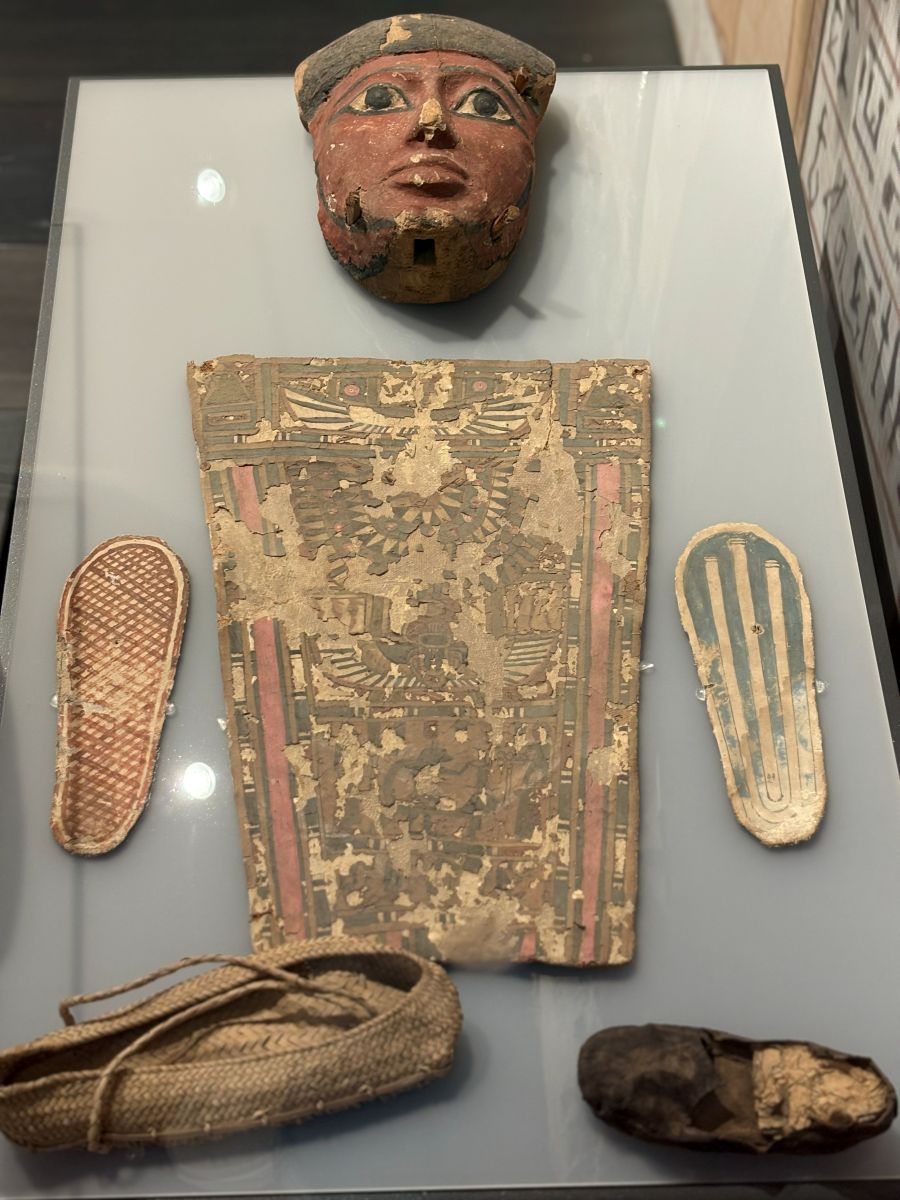
Once the Rosetta Stone was discovered in 1799 and subsequently deciphered, Egyptmania took off like a rocket. Everyone was trying to get their hands on these incredible artifacts. Competition was so fierce it led to a war between the consuls of Britain and France.
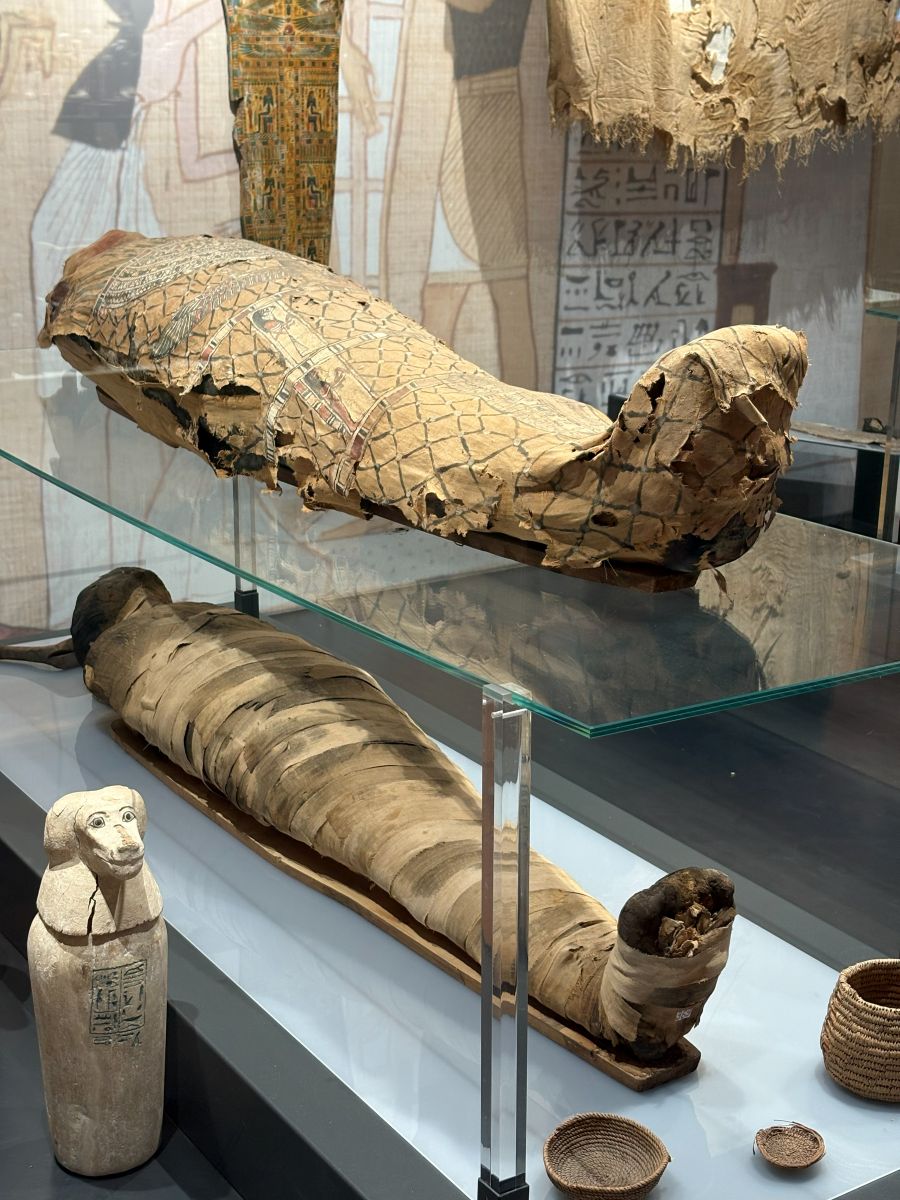
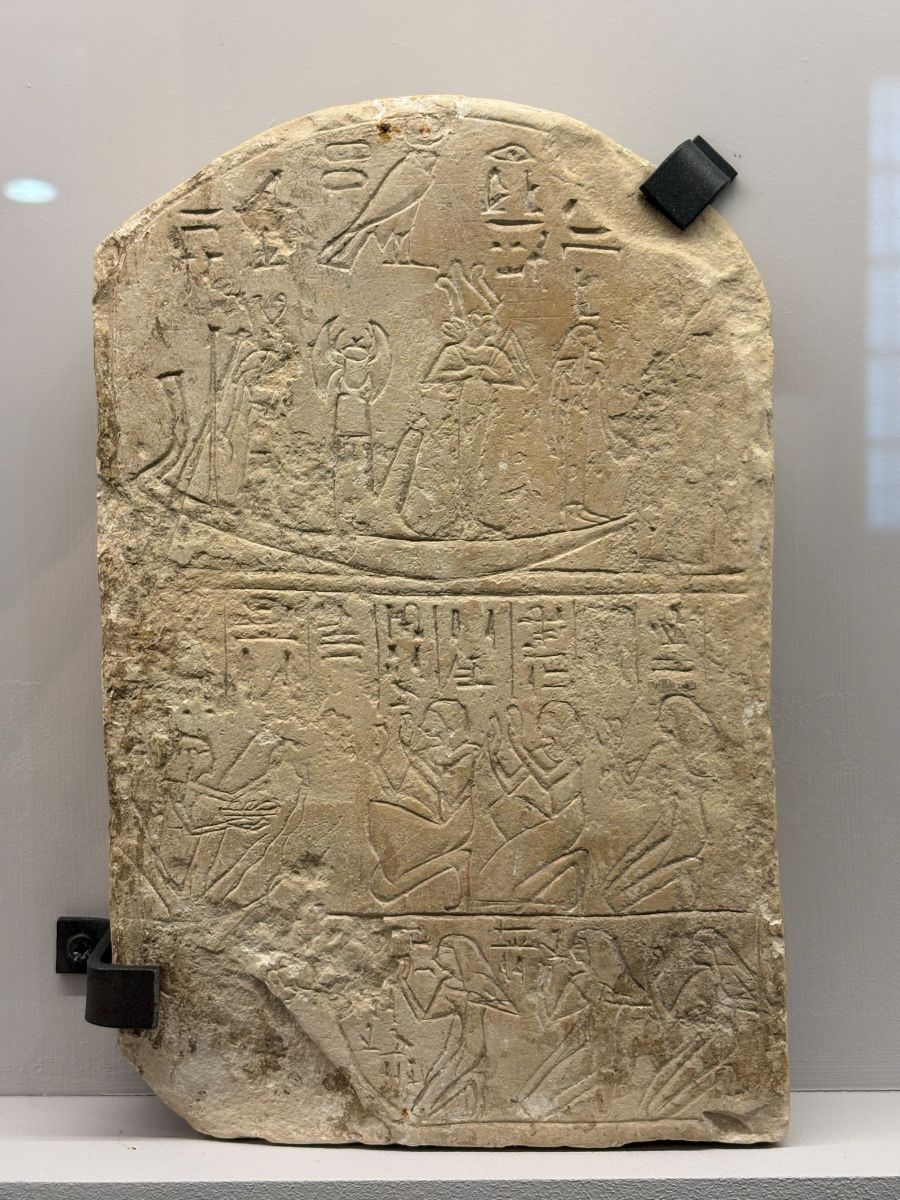
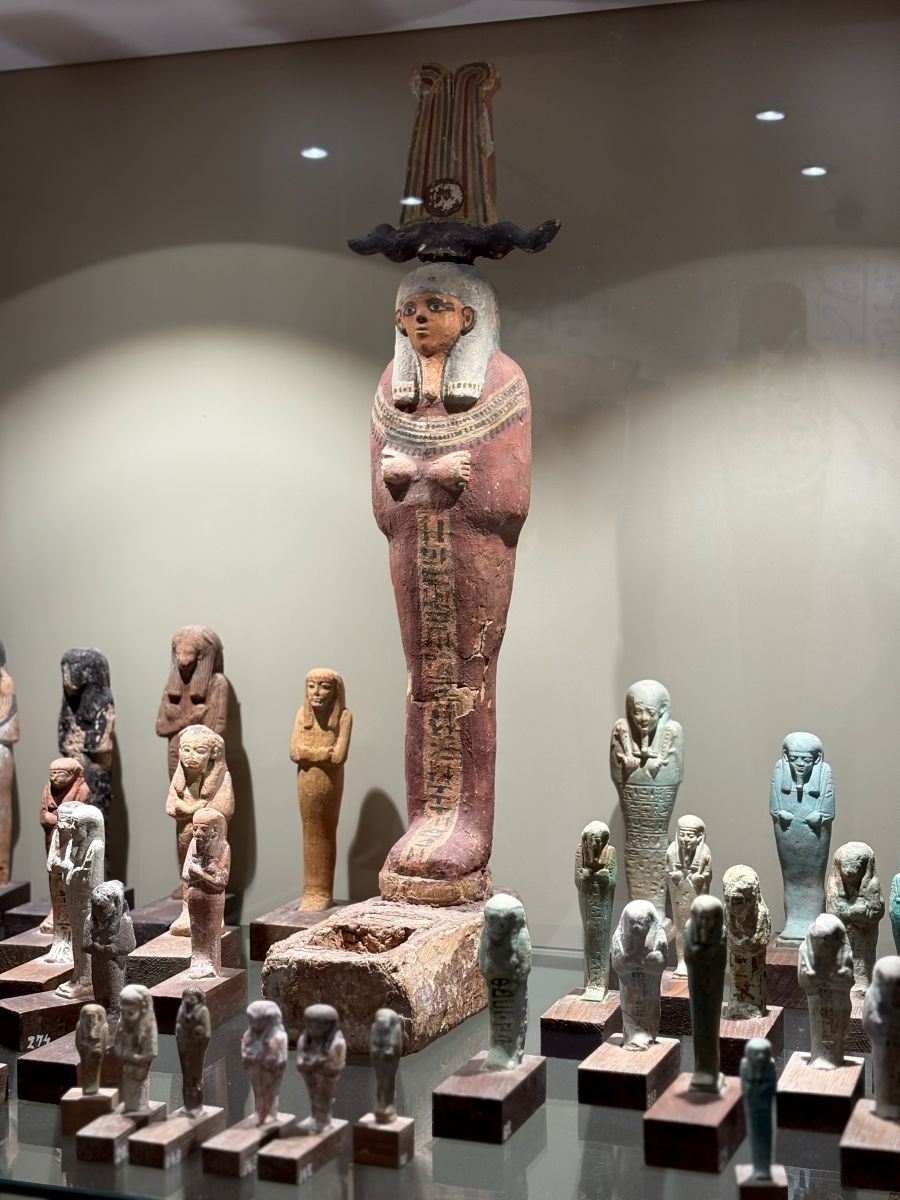
When Corbelli passed away he left his entire collection to this museum in Cortona. These rooms I now explore in a state of awe are the most unexpected find in a small Tuscan city.
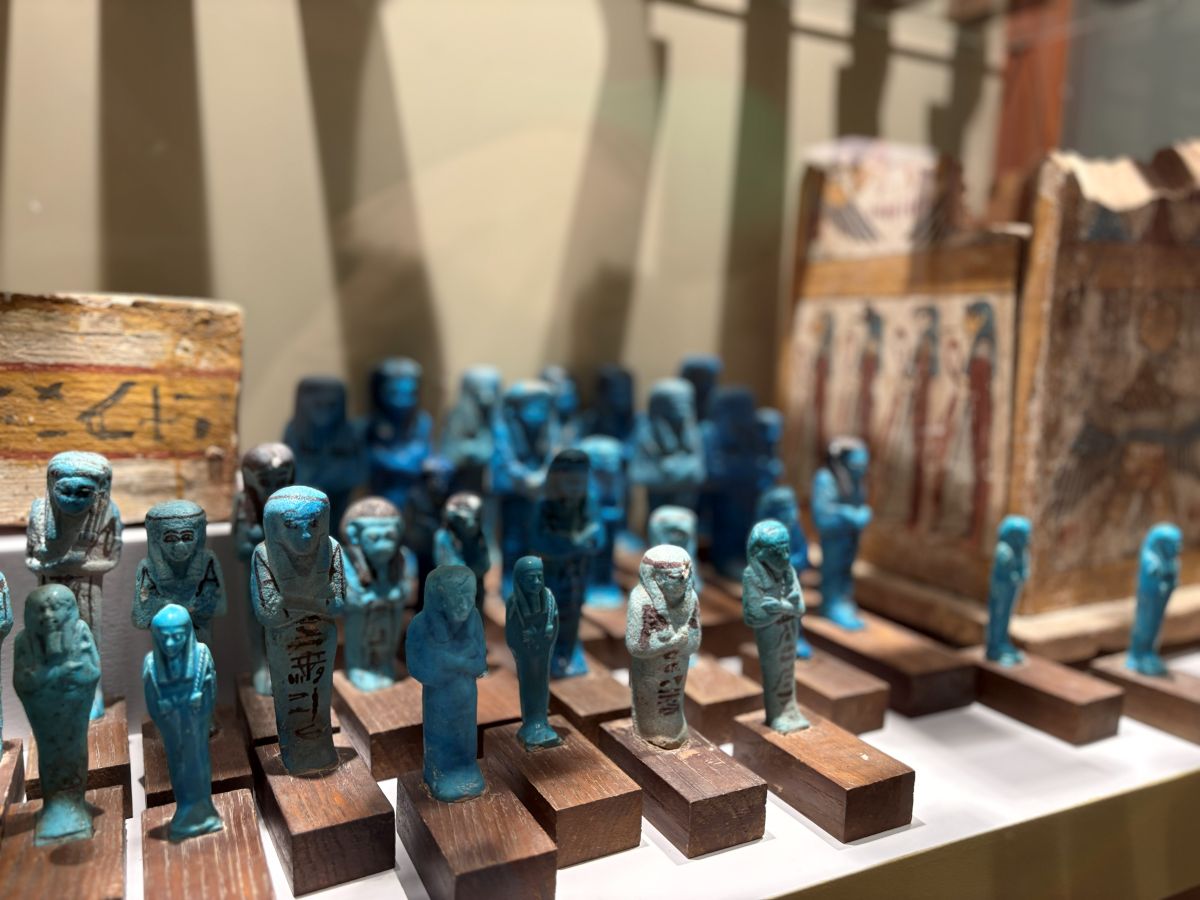
There is so much more that is housed in the MAEC including religious and renaissance art and even medieval armor. Compact and easy to navigate with an elevator to move from floor to floor, it’s a joy to discover. The entry price for an adult is currently €12 and I think that is a fair price to pay for the vast amount to see. If you are looking to learn a little more about the Etruscans this is the place.